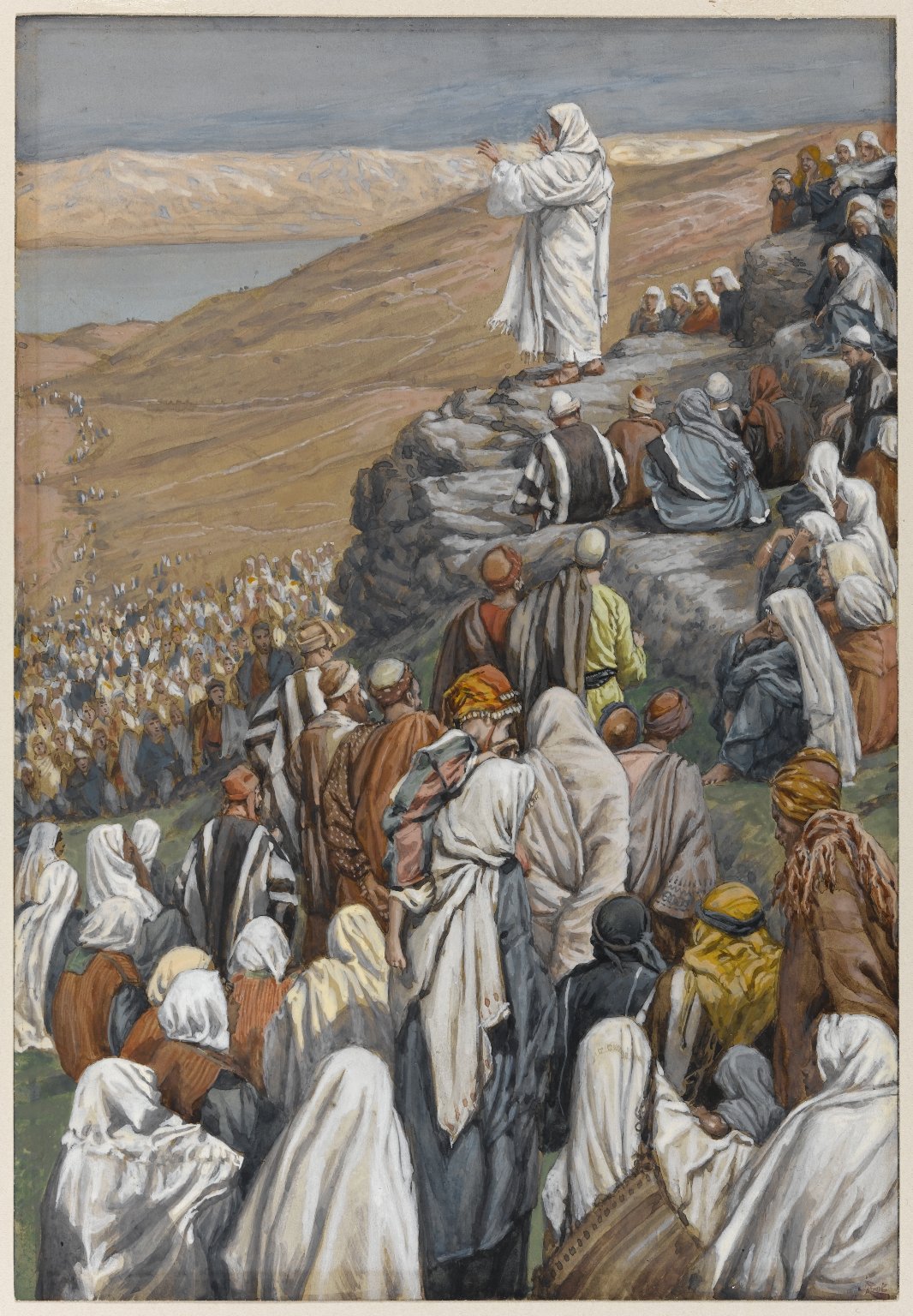
Trinity XXII – Don’t be a hypocrite!

IN 1936 RMS Queen Mary was launched and was at that time the largest ship to cross the oceans. Through four decades and a World War she served until she was retired as a floating hotel and museum in Long Beach, California. During the conversion into a hotel her three massive funnels were taken off to be scraped down and repainted. But, on the dock they crumbled. Nothing was left of the ¾inch steel plate from which they had been formed. All that remained were more than thirty coats of paint that had been applied over the years. The steel had rusted away. While it looked fine from the outside, inside it was a different story. Appearing to be something you are not is the fundamental problem with hypocrisy.

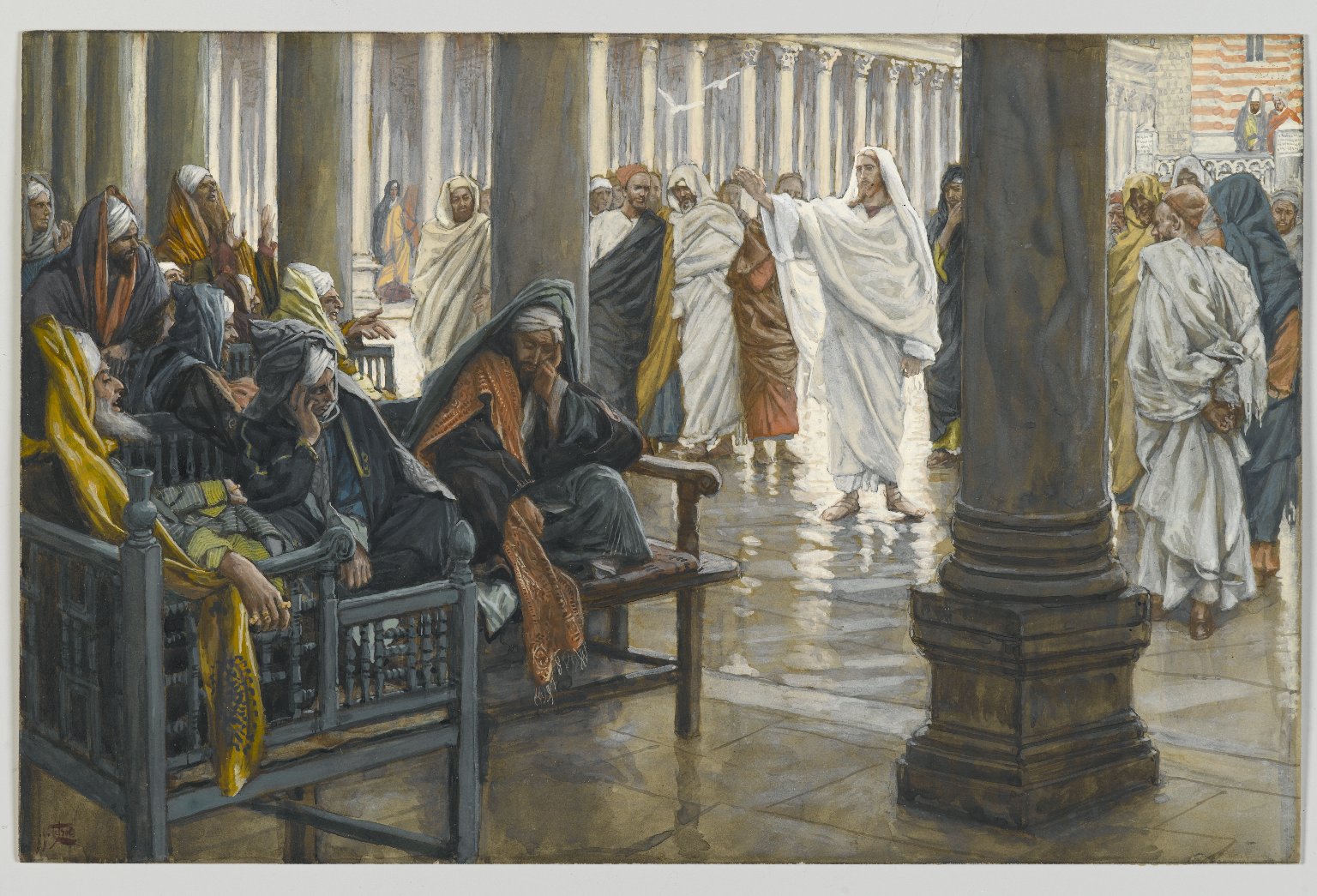
In the Gospels the main targets for Jesus’ criticism are the contemporary Religious Authorities, and those who are hypocritical. This is because do not practise what they preach. They appear to be one thing when they are in fact something quite different.

The first reading this morning from the prophet Malachi condemns people who withhold animals from sacrifice to God and break their vows by offering something blemished. Malachi criticised the priests for not honouring God or teaching the truth. They have fallen short of what God requires of them and led His people astray, and their actions are not unlike the Pharisees in the Gospel.

Jesus comments that the Pharisees are good at telling other people what to do, but not at doing it themselves:

“The scribes and the Pharisees sit on Moses’ seat, so practise and observe whatever they tell you—but not what they do. For they preach, but do not practise. They tie up heavy burdens, hard to bear, and lay them on people’s shoulders, but they themselves are not willing to move them with their finger.” (Mt 23:1-4)

Here we see hypocrisy in action: do as I say, not as I do. It is an easy trap to fall into. Telling someone to do something is straightforward, but doing it yourself so that you can be an example is much harder, it takes considerably more effort. The Pharisees unwillingness to practise what they preach undermines their claim to religious authority. They profess to be experts, teaching the Law from the seat of Moses, but their religious observance is all for show.

“They do all their deeds to be seen by others. For they make their phylacteries broad and their fringes long, and they love the place of honour at feasts and the best seats in the synagogues and greetings in the market-places and being called rabbi by others.” (Mt 23:5-7)

For the Scribes and the Pharisees religion is all about show, a display of piety, and honour, power, and prestige in society. This allows them to become puffed-up with pride and self-importance. They think that they are better than others and more important. People show them genuine respect, but they have become arrogant and self-absorbed. They have fallen into the trap of thinking that they are better than they are and have forgotten the important fact that all that they have, all that they are, their talents and abilities are in fact gifts from the God they are called to serve.

“But you are not to be called rabbi, for you have one teacher, and you are all brothers. And call no man your father on earth, for you have one Father, who is in heaven. Neither be called instructors, for you have one instructor, the Christ.” (Mt 23:8-10)

Our Lord then begins to teach about humility, beginning with the titles people use. It isn’t that titles are bad in themselves, but rather the attitude which can go with them. Which encourages some to use titles to exert influence over others and misuse that power. Here we see where the Scribes and Pharisees have gone wrong, rather than using their position for good they have become selfish autocratic hypocrites, who fail to practise what they preach. They place intolerable burdens on others, while living a life of ease themselves. God the Father and Jesus Christ do not operate like this. God is loving, not a tyrant, and Jesus will soon demonstrate this love for all the world to see.

“Our blessed Lord began His public life on the Mount of the Beatitudes, by preaching, ‘Blessed are the meek: for they shall possess the earth.’ He finished His public life on the hill of Calvary by practising that meekness: ‘Father, forgive them for they know not what they do.’” [Fulton J. Sheen The Cross and the Beatitudes, 1937 p. 3]

Jesus teaching has been leading up to the key point that He is trying to make:

The greatest among you shall be your servant. Whoever exalts himself will be humbled, and whoever humbles himself will be exalted. (Mt 23:11-12)

What really matters is humility. It goes hand-in-hand with love of God and neighbour, and it characterises Our Lord’s Life, Death, and Resurrection. Jesus embodies love, humility and gentleness. He practises what He preaches, just as St Paul does in his dealings with the church in Thessaly. 

“For you remember, brothers, our labour and toil: we worked night and day, that we might not be a burden to any of you, while we proclaimed to you the gospel of God.” (1Thess 2:9)

In contrast to the corrupt Old Testament priests and the hypocritical Scribes and Pharisees, in Paul we have an example of kindness and true pastoral ministry, rooted in Jesus. For Our Lord, ministry is sacrificial and finds its fullest expression in the Cross. Each and every Sunday we gather to do what Jesus did on the night before He died, so that we, the people of God, might be nourished with Word and Sacrament. Jesus gives himself for us, so that we can be fed with Him and transformed by Him, who gave Himself to death, so that we might live. 

Christ’s life and death are the greatest demonstration of generosity, given for all people, for you and me, that we all may have life in Christ. In thanksgiving we join with all the saints to sing the praises of God the Father, God the Son, and God the Holy Spirit. To whom be ascribed all glory, dominion, and power, now and forever. Amen.

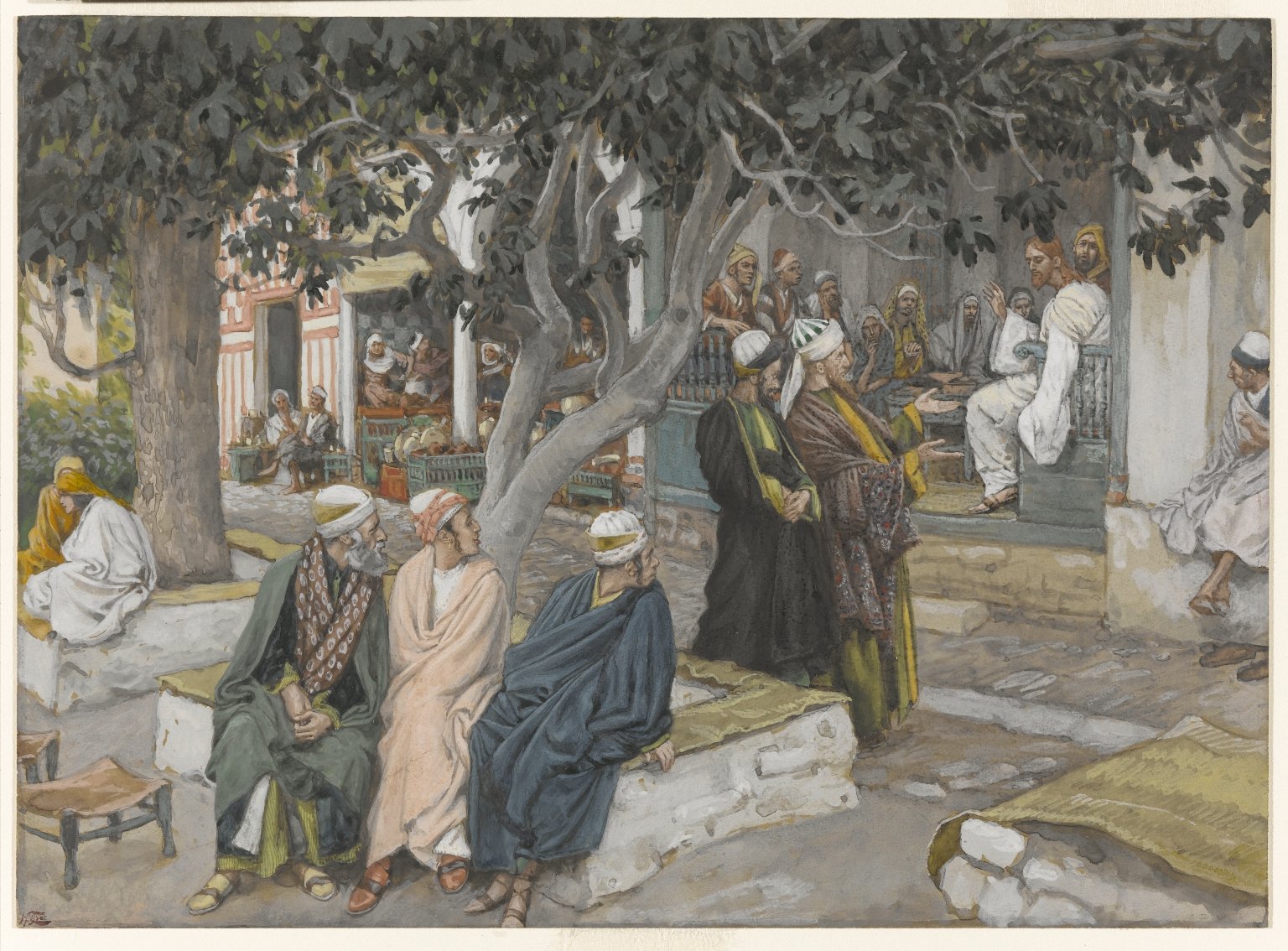
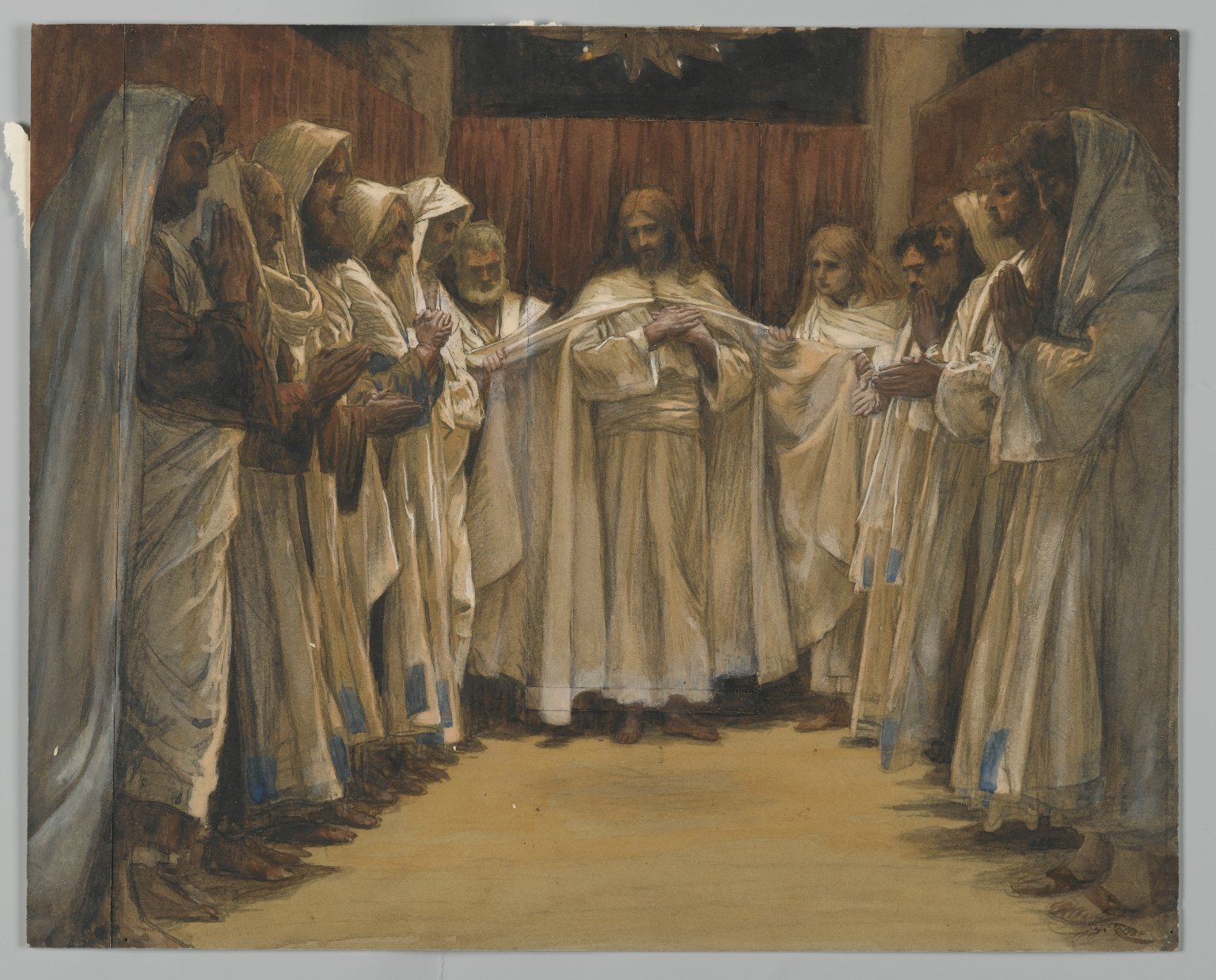
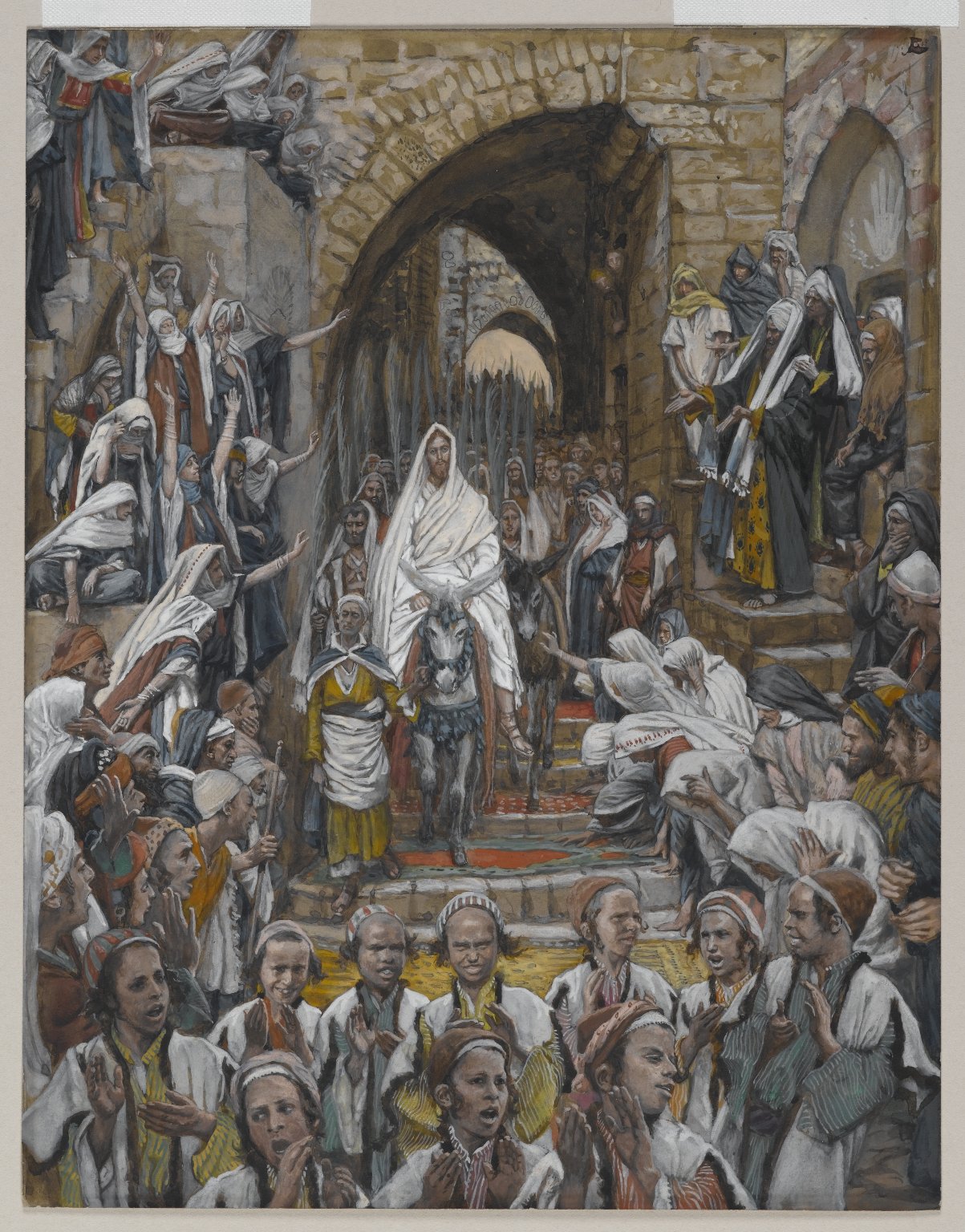
James Tissot – Woe unto You, Scribes and Pharisees (Brooklyn Museum)

Trinity XXI – Love…

In the first five books of the Bible there are 613 commandments. 248 of these are positive statements: ‘You shall…’, while 365 (one for each day of the year) are negative commandments: ‘You shall not…’. That’s a lot to remember! Someone once asked two famous rabbis, Shammai and Hillel for a summary of the Law which could be recited standing on one leg. Shammai refused to give an answer to what he considered to be a silly question. Hillel, on the other hand, replied: ‘What is harmful for you, do not do to your neighbour; that is the whole Torah, while the rest is commentary; go and learn it’. Rabbi Hillel was the grandfather of Gamaliel, who taught St Paul, and his teaching is close to that of Our Lord in today’s Gospel.

Jesus has just been debating with some Sadducees, the Jewish aristocratic priestly sect who denied the Resurrection. He has argued that understanding God as the God of Abraham, Isaac, and Jacob means that He is the God not of the dead, but  of the living. Therefore the Sadducees’ beliefs about the afterlife are wrong. These words no doubt cheered up the Pharisees (rivals of the Sadducees) immensely, so they decide to come along to see who this teacher is, and to ask Him some questions. 

‘And one of them, a lawyer, asked him a question to test him. “Teacher, which is the great commandment in the law?”’ (Mt 22:35-36)

This is a fair question, and Our Lord’s answer is not surprising:

‘And he said to him, “You shall love the Lord your God with all your heart and with all your soul and with all your mind. This is the great and first commandment.”’ (Mt 22:37-38)

In this answer Jesus quotes Deuteronomy 6:5, a piece of Scripture recited by Jews every single day. These are words affixed to Jewish doorposts, and begin ‘Hear, O Israel, the Lord our God is one…’ This central declaration of faith in God highlights the fact that first and foremost humans are called to love God. These words define who God is, and how we should relate to Him. We are to love God because God loves us and cares for us. God’s love makes demands of us, and requires all that we are, all that we think, and all that we do to be motivated by love of God. Jesus then adds a second commandment:

‘And the second is like it: You shall love your neighbour as yourself. On these two commandments depend all the Law and the Prophets”’ (Mt 22:39-40)

By adding these words, Jesus introduced a revolutionary idea — that the love of God and the love of neighbour are interconnected and inseparable. Our Lord invites us to recognize the image of God in every person we encounter, and to love them as we love ourselves.

Through these two commandments, Jesus provides us with the roadmap to a meaningful and Christ-centred life. To love God with all our hearts, souls, and minds is to cultivate an intimate relationship with the Divine. This is an invitation to pray, to seek God’s guidance in all things, and to surrender our will to His.

This means loving our neighbours and ourselves as God loves us, with the same costly and generous love that our Creator has for us. Jesus cuts right to the heart of the Old Covenant to show that what He is teaching is the fulfilment rather than the abolition of the Law and the Prophets. We know from elsewhere in the Gospels that when someone asks the follow-up question, ‘Who is my neighbour?’, Our Lord tells the parable of the Good Samaritan, illustrating what costly love in action looks like.

This may sound straightforward, in theory, but in practice it is less so. It takes a lifetime of practice, which is brought about through three things. Firstly, our living together as a Christian community. Secondly through being fed by word and sacrament, and thirdly by living lives which put God’s love into practice. We are to live by God’s standards and not those of the world. Christian love makes no sense unless it is rooted in the person, teaching, and example of Jesus Christ. In Him we have the example of perfect humanity to live up to. We will try, and at times fail in our endeavours, but the point is that we keep trying. To love our neighbours as ourselves is a call to compassion, empathy, and service.

As G.K.Chesterton wrote: ‘when the world goes wrong, it proves rather that the Church is right. The Church is justified, not because her children did not sin, but because they do’. The Church is to be a community of love and forgiveness. Despite this phrase having been uttered many times, I suspect that all of us fail to grasp quite how radical a departure it represents. We are to love and forgive those whom we would rather not. The Church is not just a body of people like us, whom we like, where it is always easy to get on with one another. We grow in love and forgiveness when we are among people whom we may not like, whom we would not choose to be associated with. Nonetheless, we are called to love them, to forgive them, and at the same time to be loved and forgiven by them. Since the body of Christ is made up of all baptised Christians, we are talking about a lot of different people.

All human beings are made in the image and likeness of God, and are thus imbued with a fundamental dignity, and with rights. This is the foundation of human society, and it is the will of God. As Christians we have a duty to help the weak, the vulnerable, the marginalised, and the poor. These words remain as true for us today as when they were spoken three thousand years ago. They should cause us to reflect on how the society in which we live functions. Are we loving and generous towards the weak and vulnerable? To love our neighbours as ourselves is a call to compassion, to empathy, and to service.

In a world that is plagued by self-interest and division, let us heed the words of Our Lord. Let us commit ourselves to loving God with all our hearts, with all our minds, and with all our souls, while also loving our neighbours as ourselves. In this simple yet profound message, we find the essence of our Christian calling, and the promise of a life filled with God’s grace and love.

May the love of God, made manifest through Christ, guide us through all our days, and may our love for one another shine as a beacon of light in a world that so desperately needs hope and unity. Amen

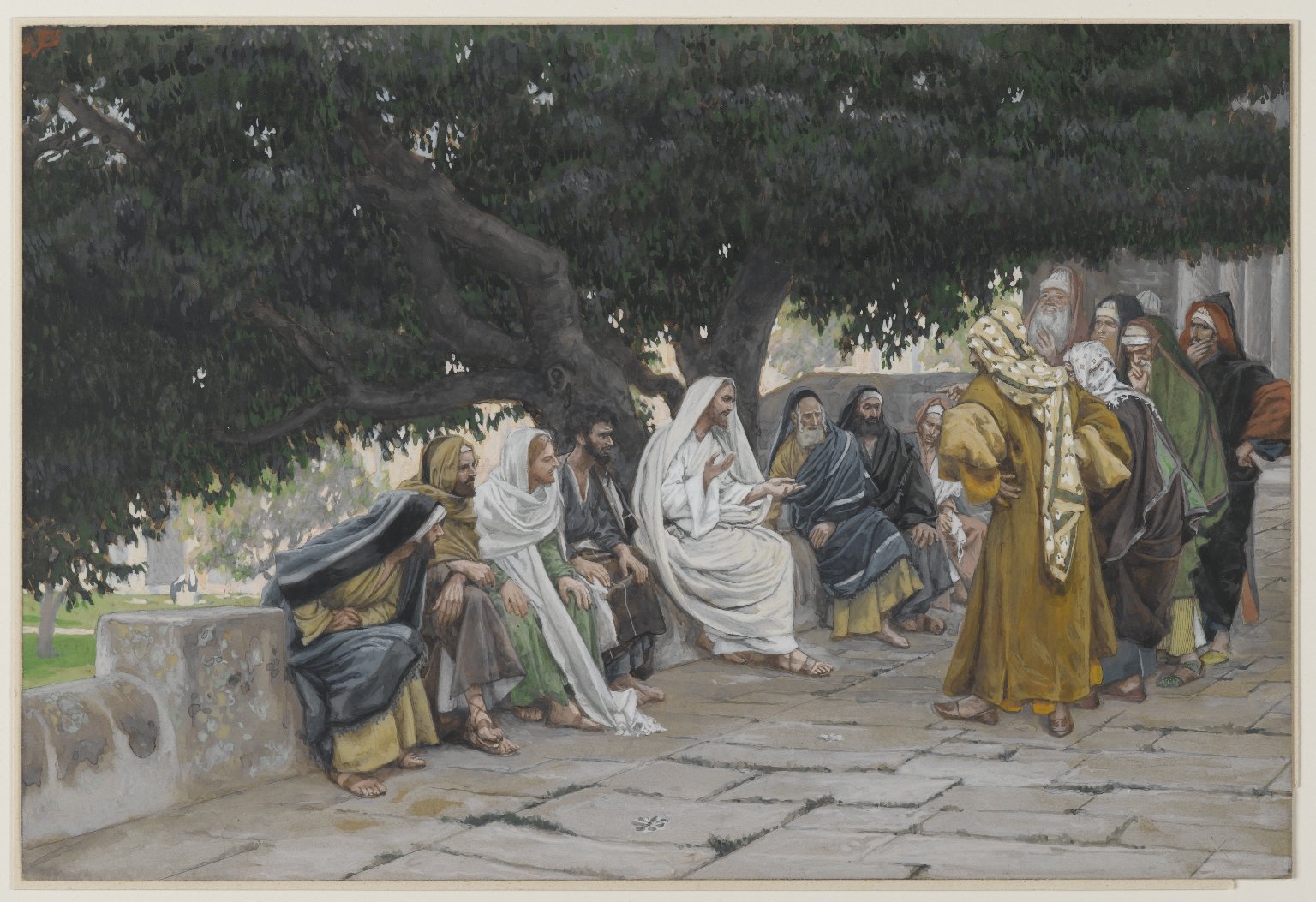
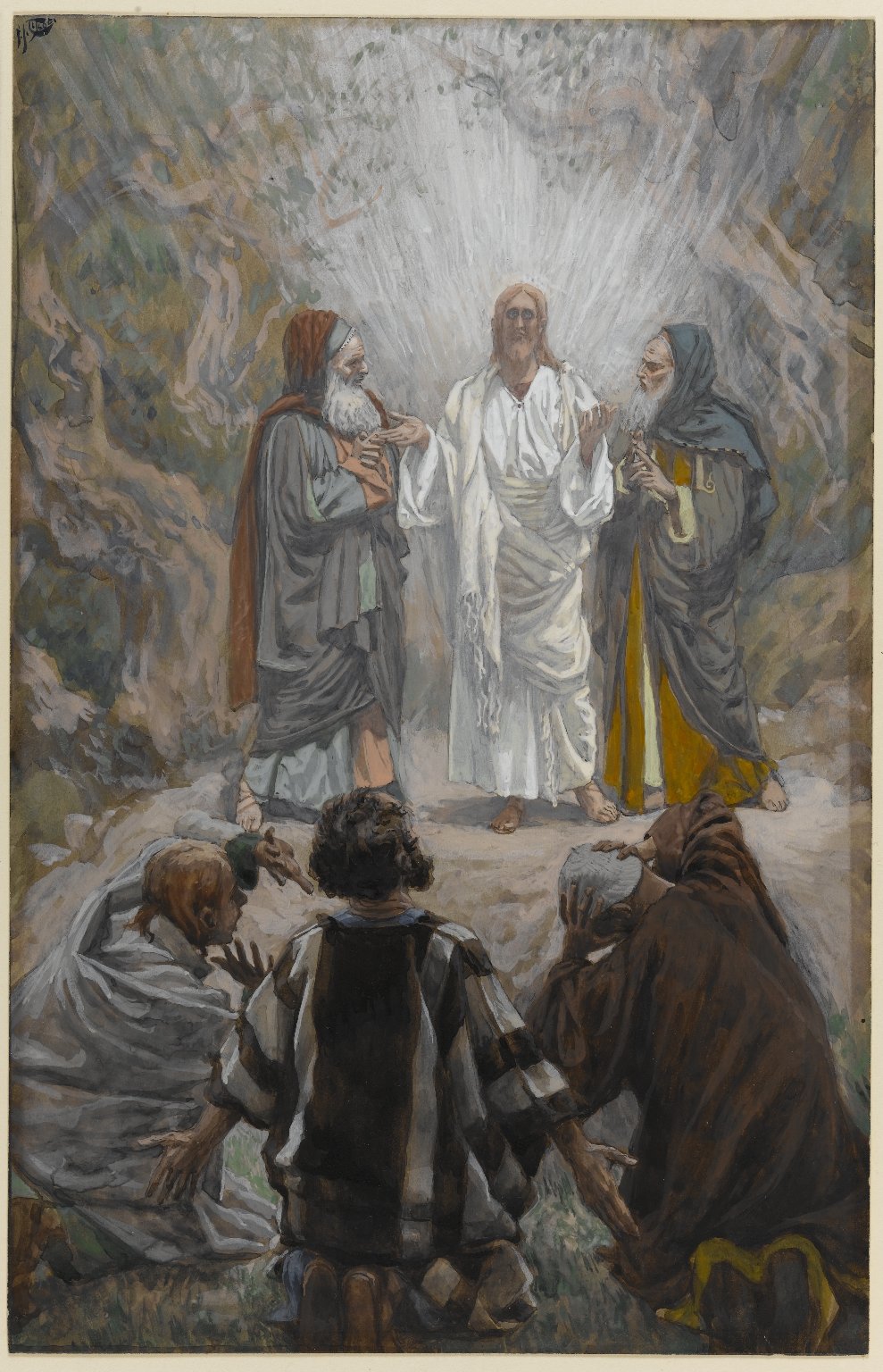
James Tissot: The Pharisees and the Sadducees Come to Tempt Jesus (Brooklyn Museum)

Trinity XX – Paying Taxes

SOMETIMES people ask loaded questions, in order to trap us into saying something unfortunate. If someone were to ask you, ‘Have you stopped cheating your taxes?’ answering either ‘Yes’ or ‘No’ would provide evidence that you had previously, or were continuing to defraud His Majesty’s Revenue. The way to reply is to say, ‘I have never cheated’. 

In today’s Gospel the Pharisees attempt to catch Jesus out in a similar way. They begin by seemingly flattering Our Lord:

“Teacher, we know that you are true and teach the way of God truthfully, and you do not care about anyone’s opinion, for you are not swayed by appearances.” (Mt 22: 16)

While their words appear to be complimenting Christ, they are simply trying to lull Him into a false sense of security. Next comes the important question:

“Tell us, then, what you think. Is it lawful to pay taxes to Caesar, or not?” (Mt 22: 17)

The Pharisees want to trap Jesus. If He says ‘Yes’ He appears to be supporting the Romans. This can then be used to cast doubt on His credibility, and write him off as a collaborator: He is not one of us, He is not a real prophet, a true son of Israel. If Jesus comes out against taxation they can brand Him a political troublemaker, a revolutionary, an enemy of the State. By saying ‘No’ Jesus would ally with zealots, religious extremists, and have made a provocative political statement for which He can be denounced. 

Thankfully, Our Lord is wise to their tricks:

‘But Jesus, aware of their malice, said, “Why put me to the test, you hypocrites? Show me the coin for the tax.” And they brought him a denarius.’ (Mt 22:18-19)

Jesus sidesteps the loaded question by asking to see the coin used to pay tax to the Romans. A denarius is a small silver coin, ¾ of an inch in diameter, about the size of a modern 5p. It represented a day’s wages for a labourer, and worth approximately £75 in today’s money.

‘And Jesus said to them, “Whose likeness and inscription is this?” They said, “Caesar’s.” Then he said to them, “Therefore render to Caesar the things that are Caesar’s, and to God the things that are God’s.” When they heard it, they marvelled. And they left him and went away.’ (Mt 22:19-22)

The Pharisees come filled with malice, with a desire to catch Him out, but Jesus uses this as an opportunity to show them the proper order of things. You should pay your taxes but at the same time give God what is owed to him. That is a heart filled with love, love of God and of each other, a life which proclaims this love in the service of others and through the worship of Almighty God. This is where real power lies. This is the truly subversive aspect of Jesus’ teaching. This is what He proclaims in the Temple, in the very heart of the religious establishment. Christ shows people how to live life to the full. 

Jesus does not allow Himself to be drawn into the argument about whether it is idolatrous to use Roman coins with pictures of pagan gods on them. Paying a Roman tax with a Roman coin is fine, but what matters more is rendering to God the things that are God’s. 

Jesus is asking us all a difficult question. What do you and I, all of us, render to God ‘talwch i Dduw’ in our personal lives? If we claim to be disciples, then what does that actually mean in the way we speak and act? The Pharisees walk away from Jesus in amazement, but we cannot do that. We have to follow a different set of rules, which give us lives of freedom. In the power of the Holy Spirit the Truth can be proclaimed, the truth which sets us free from the ways of the world, free to love and serve God. Jesus is opposed to either the collaboration of the Herodians or the rigourist harshness of the Pharisees, and instead proclaims the freedom and love of the Kingdom of God. Because of what God has done for us, we are able to render to God the things that are God’s ‘talwch bethau Duw i Dduw’: lives characterised by the love and generosity which are at the heart of the Gospel. This is what really matters: living the life of the Kingdom here and now.

Loving God and loving our neighbour mean living in a way which leads us to thrive both as individuals and as a group of people. It involves turning our backs on the selfishness which surrounds us, and building a genuine community, like that founded by St Paul in Thessalonica in northern Greece. Everything we are, everything we have comes from God, and our primary allegiance is to Him. Christ demonstrates this by going to the Cross for us and all humanity: to demonstrate once and for all how much God loves the world, and longs to heal our wounds and reconcile us to each other and to Him. As we are nourished today by Jesus in Word and Sacrament, may we be built up and strengthened to live out our faith and to proclaim the reality of the Kingdom of God. May we invite others, that all may come to share in the fellowship of the feast and sing the praises of God the Father, God the Son, and God the Holy Spirit. To whom be ascribed all glory, dominion, and power, now and forever. Amen.

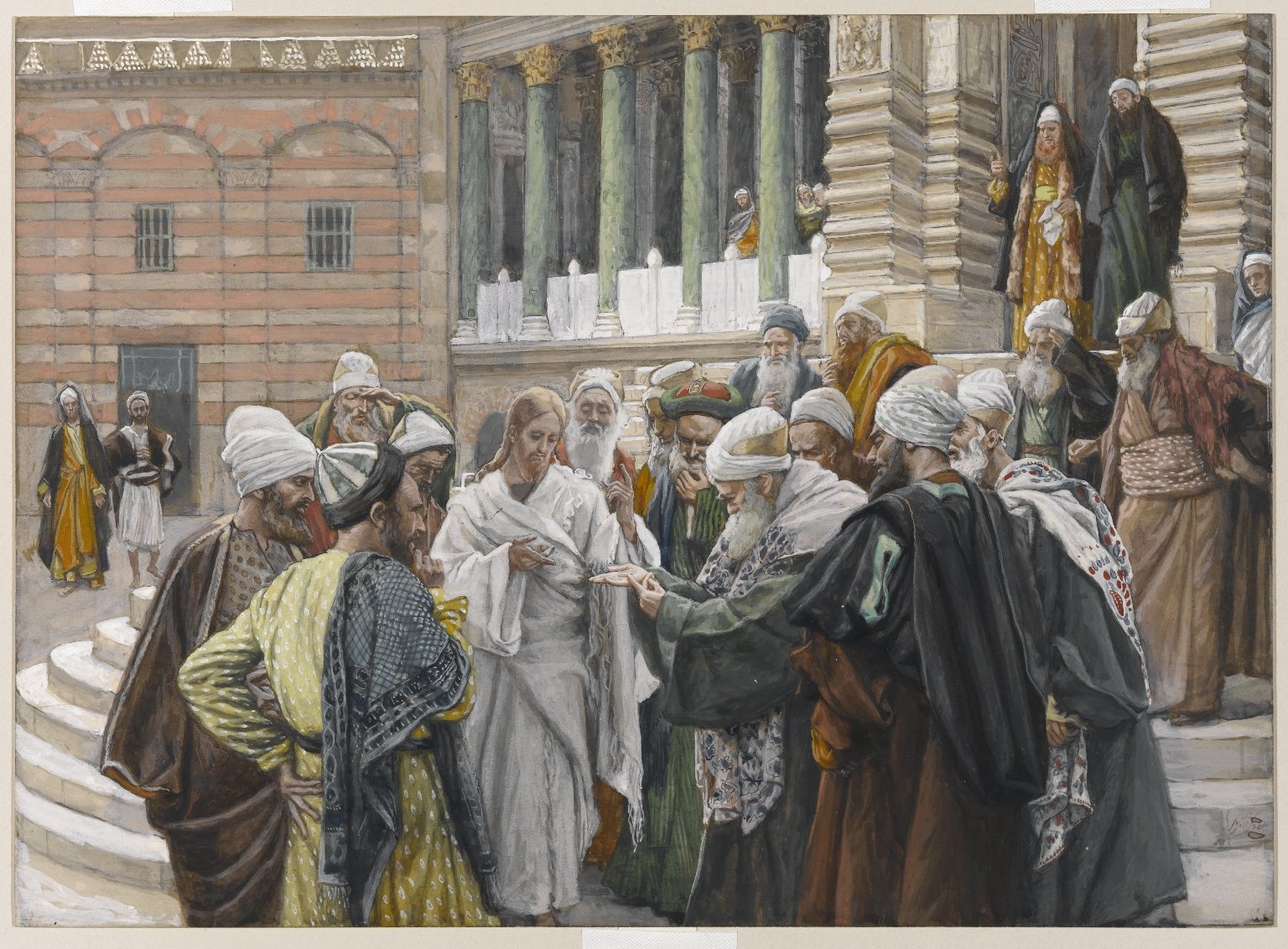
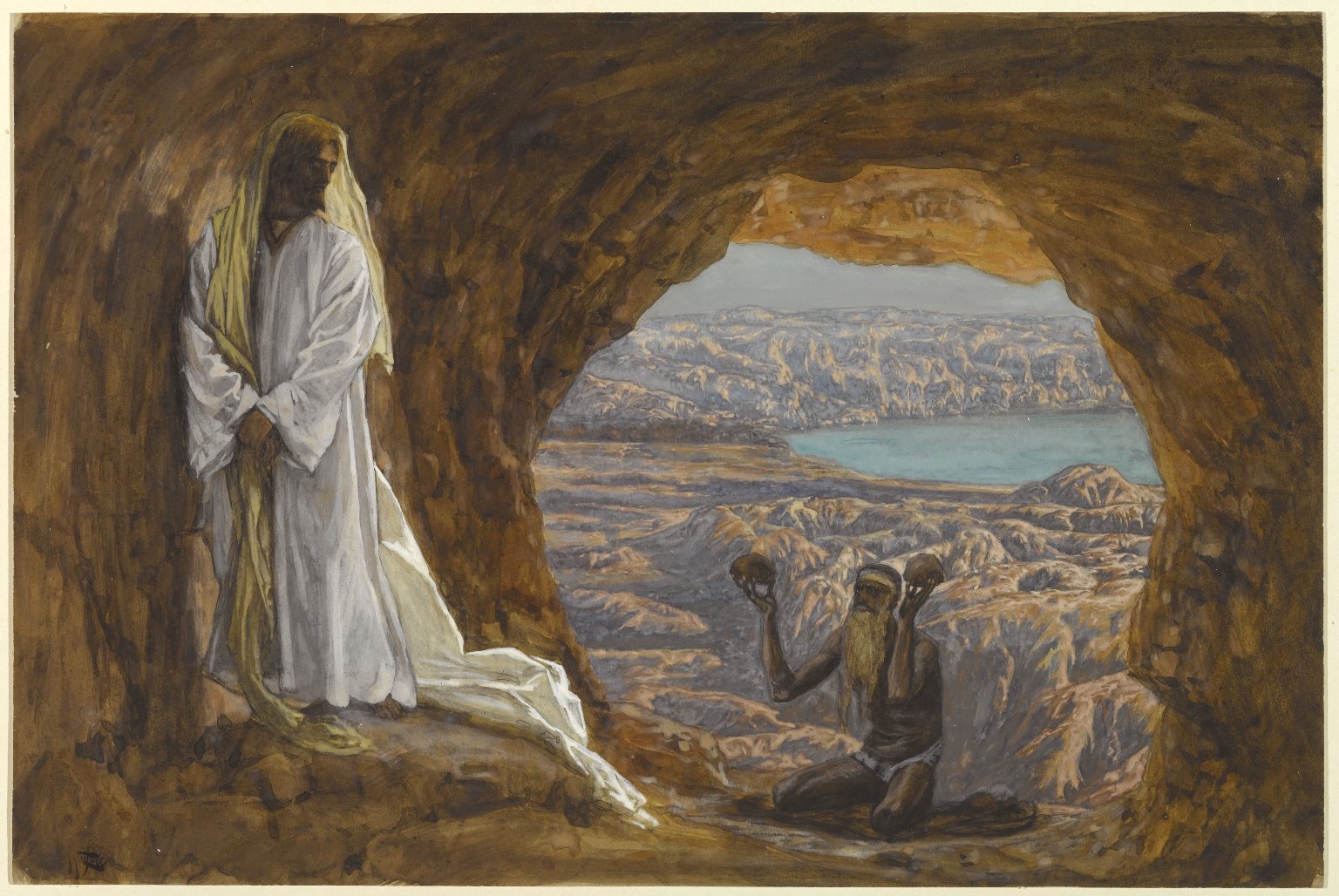
James Tissot: The Tribute Money (Brooklyn Museum)

Trinity 19 – The Wedding Feast

Oswald Golter was a missionary in northern China during the 1940s. After ten years service he was returning home. His ship stopped in India, and while waiting for a boat home he found a group of refugees living in a warehouse on the pier. Unwanted by anyone else the refugees were stranded there. Golter went to visit them. As it was Christmas-time wished them a merry Christmas and asked them what they would like for Christmas.

“We’re not Christians,” they said. “We don’t believe in Christmas.”

“I know,” said the missionary, “but what do you want for Christmas?” They described some German pastries they were particularly fond of, and so Oswald Golter cashed in his ticket, used the money to buy baskets and baskets of the pastries, took them to the refugees, and wished them a merry Christmas.

When he later repeated the incident to a class, a student said, “But sir, why did you do that for them? They weren’t Christians. They don’t even believe in Jesus.”

“I know,” he replied, “but I do!”

Most people like being invited to attend a party, and would greet an invitation with joy: especially if it were a wedding. There will be lots to eat and drink, music, dancing, everything you could want at a celebration. In this morning’s Gospel reading this is the image Jesus uses to introduce his Parable of the Wedding Feast. We can all sympathise with the king in the parable. He has every right to be annoyed. He has invited people, provided them with clothing, and they are either too busy to bother to come or mistreat those whom he sends to invite them.

The Good News of the Christian Faith, which this parable embodies, is one of generous hospitality: God is generous towards us, and so we are expected to be generous to one another. In this morning’s gospel, Jesus has gone to Jerusalem. He has cleansed the Temple, he has healed the sick and the lame, and is preaching about the love of God. In his parable we see salvation history condensed into a paragraph. And we see how God sent the prophets to invite people to God’s feast. However, most of the people are too busy, too concerned with matters of this world, so they ignore the prophets. Some of the prophets are killed, the city, Jerusalem, is destroyed, and still folk do not come. So God’s invitation is widened: all are welcome. 

If we turn to our own day, the invitation is still made, but many people are unready or unwilling to come to God’s banquet. They are too busy, their lives are too full. Going to a Eucharist on a Sunday morning is seen as one choice among many, with most people preferring to read the paper, wash the car, or spend time with their nearest and dearest. Lest we think that we are somehow better for being here, we can ask ourselves how committed we are We could all of us, I suspect, do more for the sake of the gospel.

In the parable the king stands for God. His servants are the prophets who are ignored, and then abused and killed. Finally all are invited, so that the Wedding Feast for the King’s Son is full. Then something strange happens:

“But when the king came in to look at the guests, he saw there a man who had no wedding garment. And he said to him, ‘Friend, how did you get in here without a wedding garment?’ And he was speechless.” (Mt 22:11-12)

People going to a wedding would be provided with a wedding garment, they were generally made from linen. These served both to show the generosity of the host, and also to stress a radical equality among the wedding guests. It didn’t matter who you were, or how rich or poor, all were dressed in the same clothes. So what does the wedding garment mean? Honestly, we don’t know, but a best guess is either baptism, or love, gentleness, and generosity. The point is that without being clothed with love of God and neighbour, the guest cannot be there. God is generous, but God makes demands of us, and expects us to live out our faith for all to see.

In the first reading from the prophet Isaiah we have a vision of the Messianic banquet, to which all people are invited:

‘On this mountain the Lord of hosts will make for all peoples a feast of rich food, a feast of well-aged wine, of rich food full of marrow, of aged wine well refined,’ (Isa 25:6)

These words find their fulfilment in the Eucharist, which Christ instituted on the night before He died. We have come together today to do what Christ did, and this is the Wedding Feast of the Lamb. May we come to it dressed in the garment of love. Oswald Golter, the missionary on his way back home wanted to celebrate the Incarnation, the Birth of Jesus with other people. It didn’t matter that they were not believers! What was important was that what happened in Bethlehem: a demonstration of God’s love. So Oswald’s response was to be loving in return, to show refugees, on the very margins of society, that they were loved and valued too. Our faith leads us to love people, to will their good, to celebrate with them. When we live out our faith, and put it into action in our lives, theory becomes reality. 

God expects us to put our faith into action in order to demonstrate and proclaim the Kingdom of God. So let us come to the Lord clothed with love, filled with His Spirit, transformed by the Eucharist. Let us also invite others to join in the worship of God the Father, God the Son, and God the Holy Spirit. To whom be ascribed all glory, dominion, and power, now and forever. Amen.

The Wedding Feast – Pieter Brueghel the Younger

Trinity XVIII – Wicked husbandmen

OVER the last few weeks we have read or heard a lot of vineyards in our readings. Jesus has just told a parable about labourers in a vineyard, which we heard two weeks ago, and now, this morning, two of our readings are all about viticulture. Vines are important things: they grow grapes which make juice and wine, which people drink. But more than that, at a symbolic level, the vineyard stands for Israel, the land of God’s chosen people. The metaphor of the vineyard allows both Isaiah and Jesus to talk about Israel and their relationship with God. However, they do not have much to say that is good. Our readings are telling the truth about falling short of what God expects of us, His people, who have been made in His image and likeness. 

In our first reading today, the prophet Isaiah sings a love-song for his beloved, that is, God, who plants a vineyard on a hill, having prepared the soil and cleared away the stones. These actions are all signs of love and care. God defends the vineyard with a watchtower to give advanced notice of attack. There is also a vat for making wine out of the grapes. However, the grapes are wild. Wild grapes are weeds, which grow more vigorously, and their fruit is sour, not sweet. You cannot make good wine from sour grapes. This prophecy speaks of Israel being abandoned and destroyed. This is because God expects justice, but instead, is faced with bloodshed. God looks for righteousness, but instead, finds an outcry. The Hebrew for each pair of words is similar, so the prophet is using wordplay to make the point more strongly. Israel needs to repent, to turn back to God and follow His ways.

In this morning’s Gospel, Jesus continues to teach in the Temple, after His Triumphal entry on Palm Sunday. He has told the parable about labourers in a vineyard, and the parable of the two sons, and now He recites a parable about a vineyard and a son. Jesus sets the scene in a way which clearly refers to the prophecy of Isaiah which we have just heard. The chief priests and elders would have known the prophecy that Jesus was referring to. This parable has a number of servants being sent to collect the fruit:

And the tenants took his servants and beat one, killed another, and stoned another. Again he sent other servants, more than at first. And they did the same to them. (Mt 21:35-36)

This is a description of how Israel acts towards prophets, such as Isaiah. Despite telling the truth and telling the people God’s word, they are mistreated and killed. Again and again the prophets call God’s people to repentance, to turn back to the Lord, and again and again they are ignored and mistreated. As a result, God sends His Son. As the parable continues:

Finally he sent his son to them, saying, ‘They will respect my son.’ But when the tenants saw the son, they said to themselves, ‘This is the heir. Come, let us kill him and have his inheritance.’ And they took him and threw him out of the vineyard and killed him. (Mt 21: 37-39)

Here Jesus is prophesying His own death. Soon, despite having just been welcomed into Jerusalem as the Messiah, Jesus will see the crowds turn against Him. Encouraged by the chief priests and elders (who are listening to what is being said) the people will call for Jesus’ Death. 

At the conclusion of the parable, Jesus asks the religious authorities what God will do, and they answer Him:

When therefore the owner of the vineyard comes, what will he do to those tenants?” They said to him, “He will put those wretches to a miserable death and let out the vineyard to other tenants who will give him the fruits in their seasons.” (Mt 21:40-41)

Their answer is telling. The chief priests understand what will happen, and that their actions will have consequences. They will be punished for not doing what God wants. Finally Jesus quotes from the Psalms (Ps 118:22) to explain the situation:

Jesus said to them, “Have you never read in the Scriptures: “‘The stone that the builders rejected has become the cornerstone; this was the Lord’s doing, and it is marvellous in our eyes’? Therefore I tell you, the kingdom of God will be taken away from you and given to a people producing its fruits.” (Mt 21:42-3)

Just like the prophet Isaiah earlier, Jesus uses clever word-play to reinforce His theme. Isaiah makes the point that the words for justice and bloodshed, and righteousness and an outcry are similar. Likewise, the Hebrew words for stone (eben, as in Ebenezer) and son (ben, as in Benjamin) are very similar, there is only one letter difference. Thus, when He speaks about the stone, Jesus is referring to Himself, the Son of God.

Jesus uses the Psalms to reinforce His interpretation of Isaiah. He is letting His listeners know that He must be rejected, suffer, and die like the Suffering Servant in Isaiah Chapters 52-53. Jesus also makes clear that salvation is now not solely for Israel, but also for the Gentiles. In fact it is for anyone who produces the fruit that God desires them to produce. This is the Christian proclamation in a nutshell.

Despite Jesus’ rejection and death, it is God’s love and forgiveness that are being proclaimed to the world. The Kingdom of God is a place of reconciliation, where wounds are healed, and lives are restored. Love is the core of our faith: God’s love for us, and our love for each other and for God. This is how God transforms the world: through love. God so loved the world, a world which He created, and restored, and redeemed. We, here, are living proof of that love, and we are given the task of tending the Lord’s vineyard. How can we live out that same generous love in our own lives? We need to work together, nourished by Word and Sacrament, and live lives of love and forgiveness. We are all called to proclaim God’s love to the world, and to invite others to enter the joy of the Lord. We do this so that all may sing the praises of God the Father, God the Son, and God the Holy Spirit. To whom be ascribed all glory, dominion, and power, now and forever. Amen.

Vineyards with a View of Auvers – Vincent van Gogh (via Wikimedia)

Homily for Trinity XVI

IS IT WORSE to refuse to do something you are asked to do, or to say that you will do something and then not do it? That is the question posed in today’s Gospel. 

Our Lord is talking to the chief priests and elders. These are the religious leaders of His day, the people tasked with guiding the people of Israel in their relationship with God. Jesus has entered Jerusalem in triumph, and cast out the money-changers from the Temple, and cursed a fig tree for not bearing fruit. What we are witnessing in the Gospel is a religious reform. Those who are supposed to have brought people closer to God are shown to be resistant and rebellious; they are the problem rather than the solution. 

The chief priests and elders are concerned with authority — power and influence. What gives Jesus the right to say and do what He does? Clearly Christ does not want to answer their question, for if He told the truth He would be accused of blasphemy, so Our Lord answers their question with another question:

“I also will ask you one question, and if you tell me the answer, then I also will tell you by what authority I do these things. The baptism of John, from where did it come? From heaven or from man?” (Mt 21:24-25)

The religious authorities are unable and unwilling to answer the question, so Jesus teaches them using a parable:

“What do you think? A man had two sons. And he went to the first and said, ‘Son, go and work in the vineyard today.’ And he answered, ‘I will not’, but afterwards he changed his mind and went. And he went to the other son and said the same. And he answered, ‘I go, sir’, but did not go. Which of the two did the will of his father?” (Mt 21:28-31)

In the parable of the two sons, clearly the one who overcame his initial reluctance and actually did the will of his father, by working in the vineyard, is the example for us to follow. This son experiences repentance, and changes his behaviour to do what is best for him. He starts out as being stubborn, rebellious, and disobedient — but the important thing is that he repents. The other son begins with an outward show of respect. He appears to be a dutiful son, addressing his father as Sir, but he is basically a hypocrite, as his actions do not match his words. True obedience is not in outward displays of respect, but in doing the will of God.

The point Our Lord is making is that the chief priests and elders appear to be doing the will of God, and keeping the Law. However, they are in fact very far from the ideal, and are puffed up with pride and self-righteous indignation. This is why in Jesus’ reply to them He refers to tax collectors and prostitutes.

Two thousand years ago, tax-collectors and prostitutes were seen as the lowest of the low in society. The first were viewed as swindlers, the second as sexually immoral. Both, however, were on good terms with the Romans, they were certainly not the kind of company a religiously observant Jew would keep. And yet, despite their sins, these are the people who are willing to repent. They are aware of their need for God, and they understand that God loves them. They believe that God will be merciful, will heal their wounds, and will welcome them into His kingdom. By recognising that it is more important to do the will of God rather than simply to say that you will, the religious authorities highlight their own hypocrisy and are condemned by their own lips. They have been told by John the Baptist what God wants, but they have ignored him, and now when Jesus tells them the same message they will also ignore the Lord their God.

The chief priests and elders will soon call for Jesus’ death by crucifixion. This is a demonstration of humility and obedience by Our Lord who dies for us, offering His Body and His Blood to heal us, and give us eternal life in Him. As we prepare to receive Him, may we have the humility to let Him transform us into His likeness. May we be conscious of our need of God, and our need to turn back and follow Him, so that we may have life in all its fullness. May we prepare to enjoy God’s closer presence and sing the praises of God the Father, God the Son, and God the Holy Spirit. To whom be ascribed all glory, dominion, and power, now and forever. Amen.

Christ and the sinner (A. Mironov)

Trinity XVI – The Labourers in the Vineyard

A CHILD stands in front of their mother with an unhappy look upon their face. ‘But mummy’ they cry, ‘I want some pudding!’ The mother explains that they must eat their dinner first. However, the child remains unconvinced, and as they become aware that they are not going to get their own way, they say the immortal words: ‘It’s not fair!’ At one level, many of us would prefer sponge and custard to Brussels sprouts. It’s just more fun to eat. As we give thanks to God for the harvest, we are mindful that we live in a world where people go hungry. At a deep level we are all concerned by matters of fairness. Our God gives us a vision of justice, where in the words of the Magnificat: ‘He puts down the mighty from their seat and has exalted the humble and meek’.

Our readings this morning all have something of a paradoxical quality to them. Both the Scriptures, and the Christian concept of God, are rooted in paradox. The ability to hold two contradictory views should be impossible and yet it is not. There is a good reason for this: God is a mystery, knowable, yet hidden; understandable, yet beyond our grasp. It can sometimes be a struggle to understand these paradoxes. Whilst this struggle is part of the process of coming to know God, we also have accept the fact that our mental efforts can never be enough. We simply have to experience the mystery.

The prophet Isaiah proclaims the Divine message to bring Israel back to God: 

Seek the Lord while he may be found; call upon him while he is near; let the wicked forsake his way, and the unrighteous man his thoughts (Isa 55:6-7)

The message is clear and simple. There is a right way to live and a wrong way. The prophet’s task is to proclaim God’s message, to call people back:

let him return to the Lord, that he may have compassion on him, and to our God, for he will abundantly pardon. (Isa 55:7)

God longs to treat humanity with compassion, and to forgive our human failings. He is a God of love and mercy, both in the Old Testament and in the New. In Scripture there is a consistent message of how God creates everything, sees that it is good, and loves what He has made. Our Heavenly Father is generous and loving because that is who He is. God cannot be otherwise. 

For my thoughts are not your thoughts, neither are your ways my ways, declares the Lord (Isa 55:8)

If God were to think and act in a human way then all we could expect would be punishment for having sinned and fallen short of what is expected of us. However, God shows divine justice and mercy, and so we can put our hope in His love to heal and restore us. To an extent that we, as humans, cannot even imagine:

For as the heavens are higher than the earth, so are my ways higher than your ways and my thoughts than your thoughts. (Isa 55:9)

We are able to experience the mystery of divine love through the Church and her Sacraments, which are effective signs of grace that manifest God’s generous love in the world. These are just a part of the mystery of God’s love for us which we can never fully comprehend, this side of Heaven. 

In our second reading this morning, St Paul is writing to the first Christian community that he founded in Europe. He is under house arrest in Rome, facing trial and execution. It is a joyful letter, arguably his most joyful letter, despite being written as Paul faces martyrdom. As a society we have become more afraid of death and dying, and the subject of our own end is something many of us would prefer not to think about. For Paul, however,

to live is Christ, and to die is gain (Phil 1:21)

The Apostle states that if he lives, he will live in Christ, and he will proclaim the truth of the Gospel with his words and with his deeds. Paul believes that if he dies it is gain, because his death will bear witness to Christ, having shared in His suffering and death. Paul has hope in the resurrection to eternal life in Christ.

In today’s Gospel, Jesus continues His teaching about the Kingdom of Heaven with the Parable of the Labourers in the Vineyard. Our Lord explains that God’s Kingdom is a place where human values are turned on their head: 

So the last will be first, and the first last. (Mt 20:16)

This is why the first labourers to be paid are those who have only worked for one hour. By the time the labourers who have toiled the full twelve hours come to be paid they expect to be given more, even though they agreed on the standard wage for their day’s labour. The parable is fundamentally about salvation. Salvation is a gift from God and not a reward for work done by humanity. We cannot earn it, we have to receive it from a loving and generous God. Likewise there are no grades of salvation, just as there are no classes of Christian. We are all one. Jesus’ Jewish audience believed that they were God’s chosen people, and this could lead to the perception of Gentiles and converts as being something lesser. However, such a view is opposed to the values of the Kingdom of God where all are equal. 

This equality is a radical statement by Jesus. It is a clear declaration that God’s grace is abundant and inexhaustible, and is freely offered to all who accept it. There is no such thing as a higher rank of Christian. God treats us all in the same way and loves each and every one of us. Though I serve God and His people as a priest, I was not chosen for this role by being a better Christian in the first place. Clergy are not superior Christians. All the baptized are equal in the sight of God. This morning’s gospel reminds us of the important truth that salvation is the free gift of God, which we receive in our Baptism and which is strengthened through the Sacraments of the Church. We cannot earn our way to Heaven!

We often forget the fact that Heaven is full of people who have sinned. However, they are loved by God and love God, and trust in His mercy and forgiveness. The more we experience and understand the overwhelming love and generosity of God, the more marvellous it becomes. To repeat the prophet Isaiah, God’s thoughts are not our thoughts, His ways are not our ways. 

As Christians we need to respond to God’s generous love. If we are to be truly thankful then our gratitude should affect who we are and how we live our daily lives. As we give thanks to God for another harvest safely gathered in, we share what we have, so that our harvest offerings will feed the hungry, and bring joy to those in need. By doing so, we put our faith into practice and make the Kingdom of God more visible. United with all creation, we sing the praise of God the Father, God the Son, and God the Holy Spirit. To whom be ascribed all glory, dominion, and power, now and forever. Amen. 

Trinity XIV

PEOPLE living in cities in the Ancient World were especially concerned with two things: crime at night, and the thought that their house might be burned down by a fire. These are real understandable fears. The emergency services were not well-developed in the Ancient World. However, cities did have a night watch who functioned as a combination of a police force and fire brigade. It is to such an office that God appoints the prophet Ezekiel in today’s first reading. Ezekiel is to be a night watchman, someone who is vigilant against fire and crime, someone concerned with safety and people’s well-being.

Prophets exist to speak warnings to God’s people, to show them where they are going wrong and to show them how to get back on the right path. The role of a prophet is to call sinners to repent from their evil ways. Through the prophet God calls His people back to Him. Though people are, then as now, wayward they are given a chance to repent, to return to the ways of human flourishing. The choice is a stark one: life or death. It is important, and a lot depends upon the choices we make. This is why the central proclamation of the Church is to call God’s people to repentance: to turn away from sin, and to turn back to God. 

Today’s second reading from Paul’s Letter to the Romans continues the Apostle’s advice on how Christians should live out their faith in their lives. Living a Christian life is a difficult thing to do, and for two thousand years Christians have struggled to do it well. As followers of Christ we are called to love God and to love one another. Paul quotes from the Ten Commandments to make the point that the basis for the moral code found in the Mosaic Law is Love. If you love someone then you will not do such things to them. To love is to will the good of another, to make the right choice, one which leads to human flourishing.

Paul can see the wider significance of what he is encouraging people to do. The Church knows that Jesus will come to judge the world, so Paul is encouraging Christians to live moral lives. The first Christians were surrounded by a decadent and morally corrupt society, just as we are today, and have been for two thousand years. Human nature is surprisingly consistent. We, however, are called to live differently. In our baptism, we put on Christ, and we were clothed with Him, sharing His Death, but we were also raised to new life in Him. We pray for the strength to live that new life, here and now! This is how we should prepare to meet our Redeemer, when He comes again.

How do we deal with problems as a church? This is an important and difficult question — people make mistakes, and we need to deal with them, so that we can all grow together in love. This morning’s Gospel shows us how, in a number of clear simple steps:

“If your brother sins against you, go and tell him his fault, between you and him alone. If he listens to you, you have gained your brother.” (Mt 18:15)

First, we should approach the person in private. If they listen, and presumably admit their mistake and ask for forgiveness, or try to put things right, then that is an end to the matter. They are reconciled, and the matter is forgiven and forgotten. Problem solved.

If this does not work, Our Lord instructs us to take one or two people, so that there are witnesses. If this does not work, it becomes a matter for the church as a whole. If the person at fault still refuses to listen, they are excluded, not as a punishment, but so that they may have another opportunity to think things over, to admit that they are wrong, and to seek forgiveness and reconciliation. The point is not to cast people out, but to try and keep them in, and give them all possible opportunities to repent and be reconciled. In worldly terms this provision is generous. The church, which Christ founded, is meant to do things differently, as Jesus says:

The thief comes only to steal and kill and destroy. I came that they may have life and have it abundantly. (Jn 10:10)

God wants us all to have life in all its fulness, which includes healing and reconciliation. The world, however, often sees things in terms of punishment and retribution, whereas the church views things in terms of restoration. Our God is a God of justice and mercy. This is why Jesus goes to the Cross willingly, to bear our sins, and to heal our wounds. We cannot sort out the problem of our sin and woundedness on our own; if we could we would not need a Saviour. 

This is why Jesus reiterates His teaching about sin:

Truly, I say to you, whatever you bind on earth shall be bound in heaven, and whatever you loose on earth shall be loosed in heaven. (Mt 18: 18) 

This is a reality because of all that God has done for us in Christ. The Church exists to continue the redemptive work of God within the world. Through God’s forgiveness we can be truly reconciled and the healing, which can become a reality in our lives. Jesus says in the words which follow:

Again I say to you, if two of you agree on earth about anything they ask, it will be done for them by my Father in heaven. (Mt 18:19)

Through God’s reconciliation we can make requests in prayer, and those requests will be answered. God hears our prayers. In addition, as a Christian community we can be encouraged by Christ’s presence in our midst:

For where two or three are gathered in my name, there am I among them. (Mt 18:20)

Christ is among us, here and now! We gather to celebrate the Eucharist because Jesus told us to. And we receive His Sacramental Presence in the Eucharist, His Very Flesh and Blood, so that He may transform us; so that we may have a foretaste of the Heavenly Banquet and be built up and strengthened in love, both here and now. We have the medicine for which our souls cry out. This is the healing which Christ accomplishes on the Cross, He longs to pour out His Love on us, so that we can know true freedom, true joy, and true love, in Him. So let us come to Him and let His Grace transform our lives, so that we, and all creation, may give glory to God the Father, God the Son, and God the Holy Spirit. To whom be ascribed all glory, dominion, and power, now and forever. Amen. 

Trinity XIII – Get thee behind me Satan!

THESE DAYS, WHENEVER we turn on the news, or open a newspaper, it becomes clear that good news doesn’t sell. Bad news does. This can lead us to think that the world is in a bad way. In many ways it is, though the solution is not necessarily what journalists or politicians would have us believe. None of us like giving or receiving bad news. Good news is much more straightforward, and easy to pass on, especially when it cheers people up. All three of today’s readings focus on delivering difficult or unpleasant news, things that people don’t want to hear. The vocation to be a prophet, like Jeremiah, is not an easy one. Prophets are tasked with telling people the plain, unvarnished truth about themselves and also about God. Their words can be quite difficult, even unpalatable. Most (if not all) of us would rather not hear hard truths, but we need to, if we wish to learn the truth and grow spiritually. 

It, therefore, comes as no surprise that in today’s first reading the prophet Jeremiah is feeling rejected and miserable. He has been prophesying the destruction of Jerusalem by the Babylonians, but, because this has not yet happened, he is seen as a fraud. Jeremiah starts to doubt God, and yet he still has a burning fire within himself to call God’s people to repentance. However, when he is mocked, Jeremiah feels let down. From a human perspective this is a  completely understandable response. The prophet, however, has a job to do, he must speak out, whether the people listen or not.

Last week we heard Peter’s declaration that Jesus is the Messiah, the Son of God. Following on from this, Jesus tells His disciples what must happen to Him, explaining that:

He must go to Jerusalem and suffer many things from the elders and chief priests and scribes, and be killed, and on the third day be raised. (Mt 16:21)

Jesus’ words must have come as something of a shock to His followers. This isn’t what is supposed to happen to the Messiah. So Peter takes Jesus to one side and tells Him off! Like the other disciples, Peter cannot understand what needs to happen. He has forgotten the prophecies like Isaiah 53 which tell of the Suffering Servant. Peter cannot take it in — he does not want Jesus’ prophetic words to come to fruition. This is a very understandable response. We too do not want such appalling things to happen.

Next it is Peter’s turn to be rebuked, when Jesus says to him:

“Get behind me, Satan! You are a hindrance to me. For you are not setting your mind on the things of God, but on the things of man.” (Mt 16:23)

In just a couple of verses Peter has gone from being the rock upon which the church will be built, to being Satan, the deceiver, the devil, and a stumbling block. In this short time Peter has run the whole length of the spectrum, from getting things right to getting them totally wrong. There are no half-measures with Simon Peter. He jumps in with both feet. Whether he gets things right or not, he is certainly committed, and through this commitment Jesus sees Peter as a future leader. However, on this occasion, His disciple’s inability to understand what Jesus is saying has led him to try and oppose the will of God. Peter, the Rock, has become a stumbling-block, an obstacle, something to trip over. This is because Peter can only see and understand things in human terms. God, however, has something else in store. Jesus’ death on the Cross is inevitable for the simple reason that God loves us that much. However, the Cross is not just for Christ. It is for each and every one of as Christians: we are all called to bear it ourselves.

As believers, we are tasked to take up our Cross and follow Jesus. We should, however, be under no illusion; this is no easy thing. We cannot manage to do this on our own, we have to do it together, as a community, relying upon God, while loving and forgiving each other. All the power, all the wealth in the world, is worth nothing compared to finding true life in Christ. Worldly things cannot save us, they cannot give us eternal life, they cannot wipe clean our sins. Only Jesus can do this. Only in Christ can we have true life — life in its fullness. Only if we discard our old self by following Him, can we discover the wonder of what human life can really be.

Thus the Church, in following Jesus, offers a radical alternative to the ways of selfishness and sin. This alternative has the power to change the world through being conformed to Christ by becoming Christ-like. We can do this together, by living out our faith and encouraging others to do so; by living lives of profound love, something that is difficult, and costly, and wonderful.

Today, through listening to God, in prayer and by the Word of God, the Bible, we are reassured that God loves us, and our Heavenly Father will help us throughout our lives. We are also strengthened by receiving Christ’s Body and Blood in Holy Communion. This is food for our souls, which enables us to be built up in love.

In the Letter to the Romans, St Paul describes what love in action looks like. We are guided as to how to put our faith into practice in our lives. By living out the love and forgiveness which we have received, and by turning from the ways of the world we become members of God’s Kingdom. This world cannot save us, only Christ can do that. Equally, the ways of the world cannot give us true happiness, or eternal life. Earthly promises are false and empty. Only Jesus can give us what we long for: to be united with God forever. Only Christ can transform us, and this transformation lies at the heart of the proclamation of the Kingdom. Only by losing our life can we find it.

Words cannot express just how earth-shattering and transformative Divine Love is. It is a profound mystery, in the fullest sense of the word. God’s love and mercy are greater than anything we can know or imagine. We may keep making mistakes, but God’s love is unconditional. We cannot earn such love, it is freely offered to transform us. Our faith, therefore, is the work of a lifetime. Day by day God’s grace can perfect our nature, if we are humble enough to let God be at work in us.

My brothers and sisters in Christ, let us turn to the Living God, to be fed by Him, and with Him, to have new life in Him, so that He can continue to transform our human nature and follow His example. Let us take up our Cross, and joyfully sing the praises of God the Father, God the Son, and God the Holy Spirit. To whom be ascribed all glory, dominion, and power, now and forever. Amen. 

James Tissot – Retire-toi Satan (Brooklyn Museum)

Trinity XI – The Canaanite Woman

ONE TRUTH about dogs is that they are motivated by food. If you want to get a dog to do something, rewarding them with a treat usually guarantees a result. Dogs enjoy our company, they like to be with us, and spend time around us. Also, if at all possible, they like to share what we are eating. It makes them feel part of a pack, part of a family. Dogs like our scraps. Certainly our whippet does! Feeding our four-legged friends titbits is an endearing image, but the use of this image in today’s Gospel is somewhat problematic. 

Our Lord has been engaging the religious authorities, the Scribes and Pharisees on matters of religious law. In particular, what makes a person clean or unclean. Jesus heads North-West from near Capernaum up to the Mediterranean coast of Syria. As they travel, He and His disciples meet a Canaanite woman who is clearly distressed. She begs Him:

“Have mercy on me, O Lord, Son of David; my daughter is severely oppressed by a demon.” (Mt 15:22)

The mother is desperate, her daughter is very ill, so she asks someone with a reputation for performing miraculous healings to help her. The woman addresses Our Lord as the Messiah, and begs for mercy. This seems quite straightforward, but Jesus’ response is strange and troubling: 

‘But he did not answer her a word’ (Mt 15:23)

This is not the sort of detail one would invent. It does not show Jesus in a very favourable light. Not only is Our Lord silent, but His disciples beg Him to get rid of the unnamed woman:

“Send her away, for she is crying out after us.” (Mt 15:23)

They see this anxious mother as a nuisance, a distraction, someone to be ignored. Jesus answers them saying:

“I was sent only to the lost sheep of the house of Israel.” (Mt 15:24)

Christ states that He is the Jewish Messiah, sent to save the Jewish people. Taken at face value this position appears to exclude non-Jews, and at this time the dividing line between Jews and Gentiles was a strict ‘Us and them’. This idea is challenged by St Paul who says in his letter to the Galatians, ‘There is neither Jew nor Greek, there is neither slave nor free, there is no male and female, for you are all one in Christ Jesus’ (Gal 3:28).

The distraught mother, however, is not deterred:

‘But she came and knelt before him, saying, “Lord, help me.”’ (Mt 15:25)

The woman continues to ask for the Messiah’s help. Her daughter is unwell, and she needs healing, which only Jesus can provide. The Canaanite woman’s plea for assistance provokes a response from Our Lord:

“It is not right to take the children’s bread and throw it to the dogs.” (Mt 15:26)

This appears to us both rude and xenophobic, but at that time it was perfectly normal for such terminology to be used. The mother, however, is undeterred, and counters by arguing as follows:

“Yes, Lord, yet even the dogs eat the crumbs that fall from their masters’ table.” (Mt 15:27)

She takes the characterisation of Gentiles as dogs, and uses it to her own advantage. The Gentile woman may be seen as being unclean, in the eyes of the strict Jews, like a dog. But even dogs can expect to be fed something from their masters’ table. She perseveres to ask for a crumb of support and healing, and her perseverance is duly rewarded: 

‘Then Jesus answered her, “O woman, great is your faith! Be it done for you as you desire.” And her daughter was healed instantly.’ (Mt 15:28)

This awkward and drawn-out encounter ends with faith being rewarded with healing. In addition, Jesus goes against the exclusive Jewish position, held by the Scribes and Pharisees, showing it to be false. Rather than stating that healing and salvation are for Jew and Gentile alike, as Paul does, Matthew’s Gospel, like any good storyteller, does not simply tell, but rather shows through example. 

This is radical Good News. God offers salvation and healing to both Jew and Gentile alike. The Christian Church is inclusive, it does not exclude people. The reward for the Syro-Phoenicean woman’s faith and tenacity is God’s healing. The first reading from the prophet Isaiah sees God’s promises offered to all who wish to try and live holy lives. It ends with the words,

“these I will bring to my holy mountain, and make them joyful in my house of prayer; their burnt offerings and their sacrifices will be accepted on my altar; for my house shall be called a house of prayer for all peoples.” (Isa 56:7)

Through His prophet, God promises to gather all peoples to Himself. This is the inclusive vision of the Kingdom which is brought to fruition, first in the healing of the Syro-Phoenicean woman’s daughter, and later in the Church. As Christians we recognise that that we cannot earn God’s mercy, instead it is offered to us. In a few minutes, in our service, we will declare that:

We are not worthy so much as to gather up the crumbs under your Table. But you are the same Lord, whose nature is always to have mercy:

God is merciful. Like the daughter in the Gospel we need God’s merciful love to be poured out upon us. We long for healing, and we experience this through the Eucharist, the Sacrament of Our Lord’s Body and Blood. Like the Syro-Phoenicean woman we need to recognise that Jesus is the Messiah, the Son of David, and that while we are not worthy, nonetheless God loves us and heals us. We come to Calvary, to that altar where God is both priest and victim, and where humanity is healed: Jew and Gentile alike. 

St Paul was profoundly aware of this inclusive aspect of the Church, even though it flew in the face of his religious training as a pharisee of the school of Hillel. Paul knows God to be faithful, but his life’s work was to proclaim the Good News of God’s Kingdom to Gentiles, to non-Jews. God is merciful to all, and longs to see all people reconciled to Him, and each other. Rather than simply making a pronouncement, Jesus shows His disciples the new reality of God’s Kingdom, and leads them from being exclusive, to becoming inclusive and welcoming. 

The woman’s prolonged encounter with Jesus in today’s Gospel, is a metaphor for the life of faith lived out by Christians. The Christian life requires perseverance. It is the work of a lifetime to be transformed by God. This is to prepare us to enjoy being with Him forever in the next life. So may we, like the Canaanite woman persevere in our faith, and come to sing the praises of God the Father, God the Son, and God the Holy Spirit. To whom be ascribed all glory, dominion, and power, now and forever. Amen.

The Canaanite Woman detail from Folio 164r of Les Très Riches Heures du Duc de Berry  

Trinity X – Be not afraid!

ONE DAY WHEN I was about seven years old, I was in Cardiff for the afternoon with my parents. As we walked past Cardiff Castle it was clear that there was some sort of military display going on. A Parachute training tower had been erected next to the battlements, and you could be strapped into a harness, attached to a rope, and jump from the battlements into the arms of a burly Sergeant Major of the Parachute Regiment. Being a young boy I was extremely keen to do this. It sounded like great fun! My parents were considerably more afraid than I was, but thankfully let me go ahead. I trusted the military hardware, sauntered up to the battlements, jumped off into the air, and was caught by the NCO. I suspect that now I would probably share my parents’ concerns, but at the time my yearning for adventure overcame my fear. 

Fear is a natural emotion. We are hard-wired to feel it. Fear keeps us safe, warning us about potential dangers. However, while a small amount is healthy, too much can easily paralyse us. Today’s Old Testament Reading depicts an encounter between the prophet Elijah and God. Such an encounter should be one characterised by trepidation. God tells Elijah to go out of his cave and stand before the Lord. However, God is not in the wind, the earthquake or the fire, instead:

‘after the fire the sound of a low whisper. And when Elijah heard it, he wrapped his face in his cloak and went out and stood at the entrance of the cave.’ (1Kings 19:13)

God visits Elijah in the still, small voice. God does not shout, He whispers. God is gentle. To quote the prophet Isaiah:

‘He will not cry aloud or lift up his voice, or make it heard in the street; a bruised reed he will not break, and a faintly burning wick he will not quench’ (Isa 42:2-3)

The gentleness of God looks forward to Jesus Christ, our gentle Saviour. Archbishop Michael Ramsay put it well when he said, ‘God is Christlike, and in him is no un-Christlikeness at all’. When we see Jesus, we see God; when we hear Him speak, we hear the voice of God. We can know who God is — the Creator and Redeemer of the universe — through His Son, Jesus Christ.

Today’s Gospel begins with the aftermath of a miraculous feeding of more than five thousand people. Our Lord tells His disciples to cross over the Sea of Galilee while he dismisses the crowds. Having done this, Jesus spends time alone in prayer. Christ understands the need for a balance between work and rest. Our Lord’s ministry is possible because of His intimate relationship with God the Father, maintained through prayer. Jesus is the example we all need to follow where our spiritual life is concerned. 

Then, around 3 o’clock in the morning, Jesus makes his way across to the disciples: 

And in the fourth watch of the night he came to them, walking on the sea. But when the disciples saw him walking on the sea, they were terrified, and said, “It is a ghost!” and they cried out in fear. But immediately Jesus spoke to them, saying, “Take heart; it is I. Do not be afraid.” (Mt 14:25-27)

We would all share the disciples surprise and fear at the sight of someone walking on water towards us, especially in the middle of the night! Jesus encourages the disciples, who have been having an extremely difficult crossing. The wind is against them, so they are having to row the boat across the Sea of Galilee:

‘the boat by this time was a long way from the land, beaten by the waves, for the wind was against them’ (Mt 14:24)

Even for professional fisherman who lived and worked on the water, this is hard work. The disciples have been struggling to cross the lake, and then they are faced with terrifying sight. They are tired, and scared, and it is dark! So Our Lord encourages the disciples. This provokes a response from Peter

And Peter answered him, “Lord, if it is you, command me to come to you on the water.” He said, “Come.” So Peter got out of the boat and walked on the water and came to Jesus. (Mt 14:28-29)

Jesus speaks a single word to Peter, ‘Come’ He also speaks this same word to each and every one of us as Christians. He wants us to come, to follow Him, to be close to Him, to live out our faith in our lives strengthened by prayer. Will we trust Jesus enough to follow Him? Peter has faith, he trusts Our Lord, steps out of the boat and comes to Him. When Peter is distracted, things start to go wrong.

But when he saw the wind, he was afraid, and beginning to sink he cried out, “Lord, save me.” Jesus immediately reached out his hand and took hold of him, saying to him, “O you of little faith, why did you doubt?” (Mt 14:30-31)

When Peter’s fear displaces his faith he begins to sink. However, when he trusts Jesus to save him, all is well. This is, however, not the end of the night’s events.

And when they got into the boat, the wind ceased. And those in the boat worshipped him, saying, “Truly you are the Son of God.” (Mt 14:32-33)

Jesus brings peace, and calms the storm, so that the disciples can cross safely. Afterwards, they worship Him, saying, ‘Truly you are the Son of God.’ The climax of these events is worship. This is what we, as humans and as Christians, are made for. We are called to worship God, by our love and by our prayer, so that all of our lives are an act of worship, which draws us ever closer to the source of life and love.

Jesus brings peace to our troubled lives by His offering of Himself on the Cross. We worship Him as the one who can bring hope and healing to our lives. Christ saves each and every one of us, taking the sin of the world upon Himself so that we might be freed from fear and death. That same sacrifice will be made present here today, when we the people of God, are fed by God, with His Body and Blood. We are strengthened and brought close to Him. His is still small voice which speaks of peace, peace for our hearts and our world.

So, my brothers and sisters in Christ, let us trust Our Lord above all else, and be living witnesses to His Kingdom. Let us love our Lord, and encourage others to do the same, so that they too may sing the praises of God the Father, God the Son, and God the Holy Spirit. To whom be ascribed all glory, dominion, and power, now and forever. Amen.

Lorenzo Veneziano Christ Rescuing Peter from Drowning (1370) Staatliche Museen, Berlin

Trinity VIII – The Pearl of great price

WHEN I was a child I always wanted new Lego sets. It was my favourite toy. I’m sure you can all remember that feeling when there was something, a toy or book, that you longed for. How you saved up your pocket money, or anything you got for your birthday, and finally you could have your heart’s desire. It’s a powerful emotion, which creates a strong memory, and it is the idea behind most of Our Lord’s teaching in the Gospel this week. 

In the Old Testament reading God makes a promise to Solomon: Ask me for something and I will give it to you. Solomon does not ask for wealth, long life, or for God to smite his enemies. Instead, King Solomon asks for wisdom: the ability to discern between good and evil, so that he could rule God’s people wisely. Such a sensible and altruistic request reminds us that God gives us gifts so that we may be a blessing to others. Our talents are for the flourishing of society rather than for our own glory. Solomon begins from a place of humility and total dependance upon God. He doesn’t know what to do, and the task of ruling is beyond him. But, because he relies on God, wonderful things happen. 

We find a similar idea expressed in Paul’s Letter to the Romans:

‘And those whom he predestined he also called, and those whom he called he also justified, and those whom he justified he also glorified.’ (Rom 8:30)

The key to it all is being Christ-like, conformed to the image of Jesus. When we live Jesus-shaped lives, when we are loving, and care for others, not only are we living as God wants us to live, but we become walking breathing advertisements for the Kingdom of God. Holiness of life is attractive, it gives us a glow, a bit like the ‘Ready Brek’ kids in the classic television advert. As Christians, we pray that we may be filled with the Holy Spirit, and live out our faith in a way which proclaims the truth of the Kingdom and the newness of life in Christ. Our collective experience over the last few years has taught us what really matters: the communities in which we live, our family, our relationships, the people we love. These things cannot be bought or sold, but are of infinite value, because they are rooted and grounded in love. Only by living out the same costly love and reconciliation shown to us by Jesus Christ can we have any hope of achieving anything. Jesus’ teaching isn’t theory, but something we need to put into practice in our lives. Relationships are characterised by giving love and offering forgiveness. This is how we all grow together as a community. The transformation starts with us, we have to be the change we want to see. Change starts with conversion, turning towards our loving God, a God whose arms are flung wide to embrace the world upon the Cross.

In the Gospel, Our Lord describes His followers in this way:

“Therefore every scribe who has been trained for the kingdom of heaven is like a master of a house, who brings out of his treasure what is new and what is old.” (Mt 13:52)

The mixture of treasure, both old and new, is a metaphor for Jesus’ teaching. It is old: because it is rooted in Jewish scripture and tradition. At the same time it is also new, a brand new way of living, which offers the world something different. That is to live for others, and to lay down our lives in the service of God and His people. Christ’s teaching is revolutionary, and continues to present an alternative to the human desire for power and control. Jesus puts our flourishing at the centre, so that each and every one of us thrives.

Over the last two thousand years Christians have made mistakes, and continue to do so, but they do not detract from our aim to make the world a better place. In this morning’s Old Testament reading Solomon begins well. He will go on to be a wise ruler, but later he loses his way. He strays from the path, and does not follow God’s commandments. But thanks to Jesus healing the sin of humanity on the Cross, we can have forgiveness, learn from our mistakes, and continue to build up the Kingdom of God.

Our Lord also describes the Kingdom of Heaven as like treasure in a field. It is an image which resonates with our local history. The legend of buried treasure led people to blow up the bluestones near the spring on the outskirts of the village. Some folk will do anything to find treasure! That is because they equate wealth with power and happiness. In today’s parable the Kingdom is understood as having a similarly attractive quality. You would be prepared to do anything to obtain it.

“Again, the kingdom of heaven is like a merchant in search of fine pearls, who, on finding one pearl of great value, went and sold all that he had and bought it.” (Mt 13:45-46)

Pearls are radiant, lustrous, and shiny and found growing in mussels and oysters. They are valuable because they are both beautiful and rare. Because of its value, the Pearl is a metaphor for living a Christian life. The Kingdom is something we should prize above everything else, and pursue with a single-minded resolve.

We have been given an example to follow: Jesus. But the truth is that we aren’t very good at living up to His standards. It is easy to just spread a bit of gossip, to harbour a grudge and so on. There are thousands of little ways to undermine the Kingdom, and we all fall into them, despite our best intentions. The point is not that we fail, but that we keep trying. That is why the Christian Faith is the work of a lifetime. It involves many years of failing, seeking forgiveness, and trying to live out the Kingdom. This is something we cannot achieve on our own. We need God, just as Solomon does. We also need each other: a community of faith,  which we call the Church. Together, as people of faith, we can offer the world the healing and reconciliation it longs for and needs, now more than ever. God’s love, lived out in our own lives, is the pearl of great price, the treasure which is both old and new. Jesus’ teaching is two thousand years old, and yet it is lived out anew in the lives of Christians every single day.

So, my brothers and sisters in Christ, let us value His example above all else, and be living witnesses to His Kingdom. Let us love our Lord, and encourage others to do the same, and join us in singing the praises of God the Father, God the Son, and God the Holy Spirit. To whom be ascribed all glory, dominion, and power, now and forever. Amen.

The Pearl of Great Price: https://www.flickr.com/photos/amboo213/2438930791

Trinity VII

WHEN we walk, cycle, or drive around the countryside, from time to time our eyes are met by fields of vivid yellow flowers. Rapeseed is a member of a family of plants that includes both cabbage and mustard, which we grow to produce oil. The wild mustard envisaged in today’s Gospel is a plant that can grow from a tiny seed, just 1mm in diameter, into a plant 9ft high. Most of us think about mustard solely as something to accompany our Sunday lunch, but Our Lord uses it as an image to describe the Kingdom, for its vigorous growth, and as a place of shade, safety and security.

Following on from last week’s parable of the Sower, Jesus continues to teach people using parables filled with agricultural imagery. In the first the Kingdom of Heaven is compared to a field containing both wheat and weeds. 

Our Lord then uses another parable to describe the Kingdom:

“The kingdom of heaven is like a grain of mustard seed that a man took and sowed in his field. It is the smallest of all seeds, but when it has grown it is larger than all the garden plants and becomes a tree, so that the birds of the air come and make nests in its branches.” (Mt 13:31-32)

Mustard seeds may be small, but can grow into a large plant, in only a year. The parable is about something small becoming something large, a story of the growth of the Church. Indeed, what started two thousand years ago as a handful of people, has grown into the world’s largest religion, counting billions of people among its members. Likewise, the parable of the leaven is about how bread dough increases in size and volume when yeast is added to it. It is encouraging and positive.

The parable of the wheat and the weeds is more complex. The weeds of the parable are what is known as darnel or cockle, which is hard to distinguish from wheat, but is potentially poisonous if eaten, even causing death. They were a serious problem. Indeed to plant darnel in a wheat-field was a crime under Roman law.

Rather than getting rid of the weeds and damaging the crop, both are left until the harvest. It is very tempting to want God to act immediately, and especially when we want God to act. Thankfully God’s plan is a bit more long-term. Which means that we need to wait. Waiting isn’t much fun. The world around us tells that we can have anything we want, when we want it. Thankfully, our experiences over the last few years have shown us that this is not always the case, and that is a good thing. As the old maxim states, ‘Patience is a virtue’. In the parable we see that God is patient and compassionate. God loves us, and His ways are not our ways, nor His thoughts like ours. Rather than making God be more like us, we have to try to be more like God: loving and patient. As humans we will make mistakes, which call us to seek forgiveness and reconciliation, so that we can continue to grow in holiness. It takes time. There isn’t a magic wand which can be waved to make instant holy Christians. By God’s grace it is the work of a lifetime. I know that I’m not there yet. I’m still very much a work in progress. And that is ok. The message of the parable is that God is patient, and that we need to be so as well. It is difficult, but our experience has taught us that patience is a good thing, and that we will need to continue to be patient, with each other and ourselves, as we try to live our lives and to continue to make the kingdom a reality here and now.

We help to make God’s kingdom a reality by proclaiming that Jesus comes to save us from Sin, Death, and Hell. He does this first by telling the Good News of the Kingdom, and secondly by dying for us on the Cross, bearing the burden of our sins, and overcoming the power of death and Hell, and rising again to New Life. The Church preaches Christ Crucified, and offers salvation in and through Christ alone. Sins can be forgiven, and new life is offered to all.

Let us pause for a moment to consider something important. In the Gospel, the time for the separation of wheat and weeds is not yet. There is still time: time for repentance, time to turn away from Sin, and time to turn to Christ. The proclamation of the Kingdom is one which calls people to repent, and to believe. We are called to have a change of heart, and to turn away from the ways of the world, the ways of selfishness, which alienate us from God and each other. This is not merely an event, but rather a process, a continual turning towards Christ, and reliance upon His love and mercy, a turning to Him in prayer, being nourished and transformed by our reading of the Bible, and being nourished with the Sacrament of His Body and Blood.

The Good News is that all of us have time to make sure that we are wheat and not weeds. Ours is a generous and a loving God, who longs to see His people reconciled, healed, and redeemed. The fact that the wheat and the weeds can grow together until the harvest collected is done for the sake of the wheat, lest it be pulled up by accident. Ours then is a patient God, who provides us with the multiple opportunities for repentance, time to turn our lives around and follow him. And the Church, just like the world is made up of people good and bad. We are all on various stages of a journey, and we are given all the chances possible to rely on God’s transforming grace in our lives.

Today’s parables provide a hopeful message, a message of healing and reconciliation. God does not simply give up on us, but rather does all He can to make sure that we are wheat and not weeds. It is the wonder of the Cross, that God sends His Son out of love for humanity, love of you and me, to suffer and die for us, to show us the depth of His love. Jesus rises from the tomb so show us that death is not the end, to give us hope. It is the best news there is. And we are told about it now, so that we can do something about it, and we can share the message so that others can hear, and repent, and believe, and live new lives in Christ.

So, my brothers and sisters in Christ, let us be the wheat that enables those around us to know and love our Lord. So that they too may come to sing the praises of God the Father, God the Son, and God the Holy Spirit. To whom be ascribed all, glory, dominion, and power, now and forever. Amen.

/

Hope – Edward Burne-Jones

Trinity VI – The Parable of the Sower

ONE of the notable features of our parish are the spectacular Tractor runs which regularly showcase farming machinery old and new. Tractors have revolutionised agriculture over the last one hundred years. But there are still people who can still remember fields being ploughed by horses, and seed being scattered by hand rather than from a seed drill. So until fairly recently, nothing much had changed since the time that Jesus taught people the Parable of the Sower.

Our Lord uses images and stories which his audience would easily understand, as they were recognisable from their daily life. A large crowd had gathered to hear Him teach, so He goes out in a boat so that they can hear him easily. Jesus’ teaching is straightforward:

“A sower went out to sow. As he sowed, some seeds fell on the path, and the birds ate them. Others fell on rocky ground, and immediately they sprang up, but when the sun rose they were scorched and withered away. Others fell among thorns, which choked them. Others fell on good soil and produced grain, some a hundredfold, some sixty, some thirty. He who has ears, let him hear.” (Mt 13:3-9 paraphrased)

Christ’s imagery is instantly recognisable to anyone with experience of gardening.  Birds peck at seeds, and there is a constant struggle with weeds a. Likewise, if your soil is poor or thin, then plants cannot develop the roots to find water, and can easily be scorched by the sun. The point is not the sower wastes seeds, but where the seed falls into fertile soil then it produces a wonderful and huge harvest. 

Jesus’ disciples seem to not understand what is going on, and a conversation ensues:

Then the disciples came and said to him, “Why do you speak to them in parables?” And he answered them, “To you it has been given to know the secrets of the kingdom of heaven, but to them it has not been given.” (Mt 13: 10-11)

Our Lord’s reply seems strange, because the meaning of the parable seems quite straightforward and easy to comprehend. Clearly something else is going on here.  Jesus goes on to explain what He means:

Indeed, in their case the prophecy of Isaiah is fulfilled that says: “‘You will indeed hear but never understand, and you will indeed see but never perceive. For this people’s heart has grown dull, and with their ears they can barely hear, and their eyes they have closed, lest they should see with their eyes and hear with their ears and understand with their heart and turn, and I would heal them.’ (Mt 13:14-15)

The prophecy of Isaiah which Our Lord fulfils tells the story of salvation history. It relates how Israel turns away from God, and does not see or hear what God is doing, to call them back to His loving embrace. Whereas with Jesus, the people have an opportunity to both repent and be healed. This is the core of the message of both John the Baptist and Our Lord. It looks forward to Christ’s Passion and Death which is the great act of healing, freeing us from our sins and reconciling us with God and each other. Thus, the disciples are unable to fully understand what Jesus means, until after His Passion, Death, and Resurrection. Then, in the light of these events, Our Lord’s words make sense, they can be understood. Christ’s self-sacrifice is an act of love and healing, poured out on the world, central to the proclamation of the Kingdom, as envisaged by the Parable of the Sower.

Jesus then interprets the parable for his disciples. The seed is the word of the Kingdom, the soil is our heart. The weeds are the cares of the world. The parable represents the proclamation of the Kingdom of God, by Jesus, and His disciples, and applies to us today as much as it did to its first hearers in Galilee nearly two thousand years ago. Being a Christian is not easy. Life gets in the way, we get distracted by things, or the soil of our hearts is not deep enough for the Word to grow in. We need to both hear the Word and also understand the Word. Then it can bear fruit in our lives. When we understand the message of repentance and healing which Christ’s Death and Resurrection offer to us, and accept it, then it bears fruit in our lives. We can hope and trust along with the apostle Paul that,

‘the creation itself will be set free from its bondage to corruption and obtain the freedom of the glory of the children of God.’ (Rom 8:21)

Jesus offers us glorious freedom. We can have a truly loving community in and through Christ, who has taken our sins upon Himself, and reconciled us to God and each other. It allows us to live in an entirely different way to the ways of the world. And in the growth of the Church we can see the New Life and miraculous harvest which God offers. Ours is an extravagant God, a generous God, a God who loves us.

Many people of our generation are reluctant or scared to accept God’s love. They have become inherently suspicious of the idea of a free gift. The only way that they can be encouraged to accept it is by seeing, in the lives of people around them, examples of how the free love of God affects our lives. We need to live out our faith and reflect God’s love in our thoughts, our words, and our deeds.

So, my brothers and sisters in Christ, let us be the good seed that enables others to know and love our Lord, and come to sing the praises of God the Father, God the Son, and God the Holy Spirit. To whom be ascribed all, glory, dominion, and power, now and forever. Amen.

Medieval stained glass from Canterbury Cathedral depicting the first scene of the Parable of the Sower, in which seeds scattered on stony ground are eaten by birds (Mt 13:3-5; Mk 4:3-5). Right panel in the fifth register of the Second Typological Window (n. XV, 19) in the north choir aisle, dated to about 1180. This was originally part of the Sixth Typological Window, which centered on the theme of seeds and the bread of the Eucharist.

Trinity V – Rest in the Lord

ONE of the most wonderful things about dogs in general, and whippets in particular, is their ability to sleep. Despite being both fast and agile, they can, and often do, spend the vast majority of the day and night curled up and snoozing. They know how to rest, and if there isn’t anything better to do, they will do just that. We live in a world which prizes long hours of work and effort, and it can be easy to forget that, like a whippet, we too need to rest. 

Mae Iesu cynnig y gwahoddiad hwn, Jesus offers this invitation:

“Come to me, all who labour and are heavy laden, and I will give you rest. Take my yoke upon you, and learn from me, for I am gentle and lowly in heart, and you will find rest for your souls. For my yoke is easy, and my burden is light.” (Mt 11:28-30)

Our Lord offers rest to the weary. If we trust Him, then Christ will give us what we long for. Trust and humility go hand in hand: we recognise that we are not in control, and leave things in God’s hands. The yoke and the burden which Jesus offers is the Cross. He calls us to take His yoke upon ourselves. This is an act of submission, becoming like oxen pulling a plough. This image naturally leads us to think of Jesus carrying His Cross to Calvary. Paradoxically this is our rest, the easy task, this is the Kingdom of God. 

This doesn’t make sense, and it is not supposed to, because it is radically different from anything we are used to. It is the opposite of worldly, selfish ways. Jesus is inaugurating a gentle humble Kingdom, which shows up the ways of the world for what they are: empty and destructive, sinful and selfish, only concerned with power and domination.

In today’s Gospel, Our Lord makes a profound and perhaps surprising statement:

“I thank you, Father, Lord of heaven and earth, that you have hidden these things from the wise and understanding and revealed them to little children; yes, Father, for such was your gracious will” (Mt 11:25-26)

The key to the Christian Faith is Trust. Our faith is not a logical problem or a cryptic crossword that we need to solve, but first and foremost it is a relationship with the God who loves us, and longs to see us flourish. As a society we struggle to trust. We have become bruised, bitter and cynical. Instead we need to have simple child-like trust in God. Jesus’ teaching begins with gratitude. He gives thanks to the Father, the Lord of Heaven and Earth. The prayer Christ gives us (The Our Father, Ein Tad) starts by recognising both who and what God is, God who is the beginning and end of all things. It is a model for our prayers and our lives as Christians. We need to be grateful people. God has hidden things from the so-called wise and intelligent, those who think that they know it all, and do not pay any attention to Jesus’ words. The Scribes and Pharisees in the Gospel exemplify this. They are religious authorities who are unable and unwilling to recognise both what they are offered and who is offering it to them.

Instead, Jesus has revealed the truth to children, simple, trusting souls who know their need of God. The key then is humility, as shown by the first reading from  the prophet Zephaniah. And for this our primary example is the Word made Flesh, Jesus Christ. God humbled himself to share our humanity, so that we might share His divinity. Through being reliant upon God, and not ourselves we can be rid of the ego, the sense of pride which says, ‘you can do it on your own’. Instead we can put our trust in someone who has been entrusted everything by the Father. In other words, we are in Jesus’ hands, and can rely upon Him alone, safe in the knowledge that all will be well.

Christ bears the burden of our sins, the sins of the world, of the past, the present, and the future, upon Himself on the Cross. The message of the Gospel is to lay down your burden, to rest in the Lord, to bear His yoke and learn from Him. We do so with child-like trust in the God who loves us and saves us. We do so with humility, knowing our need of God, to cast ourselves upon His love and mercy. We cannot win our way to heaven, or gain salvation through our own efforts but rather in and through Christ, through our Baptism, nourished by His Word and His Body and Blood, so that we can have life in Him.

There is something truly refreshing about the simplicity of the message: Our Lord says to each and every one of us, to the whole world: lay down your burdens and find life in all its fullness in Christ. We are offered rest, not simply as a break from work to recuperate, but rest for our souls. We hope to experience this fully in Heaven, where we can rest in God for eternity, but we are given a foretaste of it here and now in the Eucharist.

Jesus gives Himself to us, so that we may we may live in Him, our soul’s true rest, trusting Him and following His example of humility, embracing the Cross, which is our only hope, and turning away from the empty promises of the world, to the source of life and hope. Freed from the burden of our past misdeeds, to live in the freedom of the Kingdom, both now, and forever. 

So, my brothers and sisters in Christ, may we learn to be humble like Jesus. Let us take His yoke, find His rest, and be united with Him forever, so that we all may sing the praises of God the Father, God the Son, and God the Holy Spirit. To whom be ascribed all, glory, dominion, and power, now and forever. Amen.

Sarah Henderson – Whippet curling up to sleep

Trinity IV – Whom do you love?

IN the 1990s there was an advert on British television for McCain’s Oven Chips which you may remember. In it a young girl was asked: ‘Sophie, who do you love more: Daddy or chips?’ Sophie’s Dad then pinches a chip off her plate, at which point the little girl answers: ‘Chips!’ The ad was endearing and amusing, but it relates to a central question of today’s Gospel: Whom do we love more? It is difficult question to answer. Naturally we love our family and friends. They are important to us. At the same time, Our Lord’s question challenges us to see what is really important.

Jesus tells His disciples:

“Whoever loves father or mother more than me is not worthy of me, and whoever loves son or daughter more than me is not worthy of me. And whoever does not take his cross and follow me is not worthy of me.” (Mt 10:37-38)

Our Lord is using this extreme statement to make a point: God should be the most important person in our life. God should come first, before everything and everyone else. This is not to say that family is not important, just that our relationship with God is primary. There is no room for half measures. To follow Jesus is to take up a cross: to embrace pain and suffering for His sake. While Jesus is preaching the Good News of the Kingdom in Galilee, His mind is on the Cross. Christ knows what His mission entails — the pain, agony, and isolation. He calls us to follow Him, to be willing to lay down our lives just as He did. Jesus is also quoting here from the prophet Micah:

‘for the son treats the father with contempt, the daughter rises up against her mother, the daughter-in-law against her mother-in-law; a man’s enemies are the men of his own house. But as for me, I will look to the Lord; I will wait for the God of my salvation; my God will hear me.’ (Micah 7:6-7)

The Kingdom of God makes demands on its followers. It disrupts established patterns of behaviour and relationships, because the Kindom is a new thing. As Christians, our primary allegiance is not to our family on earth, but rather our family in Heaven.

Our Lord then deepens His teaching with a paradox: 

“Whoever finds his life will lose it, and whoever loses his life for my sake will find it.” (Mt 10:39)

To follow Jesus is to walk the way of the Cross, and to embrace suffering. We find our true life in Christ. We lose it for His sake, and in losing it we find it. The point is that we remain ‘in Christ’. Thanks to this relationship nothing else matters. And yet, because of our relationship with Jesus, we receive from God all that we could ever want: including God himself, united to us for eternity.

In this morning’s epistle, St Paul is filled with this hope. Because we are united to Christ in our baptism we share in both His Death and His Resurrection. While this is a good thing in itself, it also has a purpose:

‘We were buried therefore with him by baptism into death, in order that, just as Christ was raised from the dead by the glory of the Father, we too might walk in newness of life.’ (Rom 6:4)

Christians are called to live new lives in Christ. Walking in newness of life means living in a different way. To put it simply, our life and our actions, as well as our words need to proclaim the Good News of the Kingdom. If people can see Jesus in us, they will follow Him. Our faith needs to be authentic and lived out daily. This explains why Jesus in the Gospel passage stresses showing and receiving generous hospitality. 

Generous hospitality lies at the heart of this morning’s first reading, from the Second Book of Kings. The Shunammite woman is generous towards the prophet Elisha, and provides him with food and a place to stay. Elisha wants to reward her hospitality: 

And he said, “What then is to be done for her?” Gehazi answered, “Well, she has no son, and her husband is old.” He said, “Call her.” And when he had called her, she stood in the doorway. And he said, “At this season, about this time next year, you shall embrace a son.” And she said, “No, my lord, O man of God; do not lie to your servant.” (2Kings 4:14-16)

God makes the impossible possible, and the woman is blessed with the child she longs for. Likewise in the Gospel, those who are generous are rewarded. Generosity is a hallmark of the Christian community because through it we follow the example of God, who gives His only Son to live and die and rise again for us. It is not surprising, therefore, that in this morning’s Gospel Jesus talks about welcome: hospitality, making people feel at home and comfortable is part of who and what we are as Christians. Today in our Christian Community we show hospitality and generosity to those in need by our collection for the local food-bank. Today’s Gospel highlights some of the many paradoxes of our faith: Jesus can make us feel both spiritually uncomfortable and challenged, and yet, at  the same time, comfortable, loved and accepted. We are loved and challenged by God so that we can live out our faith together, in the knowledge that our reward is secure: it comes from God, and is to be united with God. Thus we can put God before all else, because He is more important. Only God can promise us eternal life in Him. This is surely the greatest possible act of hospitality: to offer to humanity the very thing that our souls long for, the source of our being, our hope and our salvation, bought through Jesus’ Blood on the Cross and freely offered to all who turn to Him.

So, my brothers and sisters in Christ, may we value God above all else. Let us invite others to know Him and love Him, and be united with Him forever, so that we all may sing the praises of God the Father, God the Son, and God the Holy Spirit. To whom be ascribed all, glory, dominion, and power, now and forever. Amen.

Trinity III – Do not be afraid!

At the moment, whenever we turn on our television, our radio, or open our newspaper there seems to be a new thing to be afraid of. As well as disease, war, extreme weather, economic turmoil, and environmental destruction, we now have Artificial Intelligence (AI) to worry about. People living two thousand years ago must have had equivalent worries because Our Lord’s most repeated command is, ‘Paid ag ofni’ ‘Do not be afraid’. At its heart, Christianity is a religion which seeks to release people from fear. Fear can easily control us and how we think and act. Jesus’ proclamation of the Kingdom seeks to free people from fear, enabling faith in God. More than anything else in the Bible, God tells His people not to be afraid. This is because fear is such a common and powerful human emotion. If left unchecked it can quickly turn into paralysing anxiety. Fear can stop us doing things. The fact that God calls us not to be afraid is rooted in the idea that we can trust Him, and know that whatever happens, our hope and our identity is found in God.

Despite the threat of imminent persecution, the prophet Jeremiah remains unwavering in his faith in God:

‘For he has delivered the life of the needy from the hand of evildoers.’ (Jer 20:13)

Jeremiah puts his trust in a God who will both vindicate him against his many enemies, and also keep him safe. This will be demonstrated most fully on the Cross on Good Friday and the empty tomb on Easter Sunday. It is this realisation which also underlies St Paul’s confidence in this morning’s epistle. 

The Gospel for today is a speech of encouragement given by Jesus to the Twelve before they are sent out on mission. Somewhat surprisingly, rather than offering encouragement for the present, it looks towards the future, to a time when the Church will face persecution.

Our Lord speaks of the future because God knows everything. Nothing is hidden from Him, and He, not humanity is the ultimate judge. Christians are called to be open, to tell the truth with boldness, and without fear of consequence. We have a duty to say to the world, ‘You’re going the wrong way’ ‘Repent, turn around, and follow God’. Rather than being afraid of the consequences of following Christ, what matters is our ultimate destination. Do we want to be for and with Jesus, or against Him? It is a simple, stark choice. 

Our Lord then stresses humanity’s value in the eyes of God:

‘Are not two sparrows sold for a penny? And not one of them will fall to the ground apart from your Father. But even the hairs of your head are all numbered. Fear not, therefore; you are of more value than many sparrows.’ (Mt 10: 29-31)

We are valued because each and every one of us is made in the image and likeness of God. Also, God loves us and wants to see us flourish in this life, and enjoy being close to Him in the next. We can trust Our Heavenly Father in the knowledge that the promises of this world are fleeting and of no real value. What Christ promises us is of God and will last forever. It is a glory which can never fade.

Jesus can make such promises because He is God, and because in His Passion He will face torture and death for love of us. Christ refers to God as ‘Our Father’ ‘Ein Tad’, which reminds us of the Lord’s Prayer and that Prayer is our greatest weapon against fear. Prayer deepens our relationship with God, and gives us the strength to live out our faith in our lives.

At the end of toady’s Gospel passage, Jesus makes a promise:

‘So everyone who acknowledges me before men, I also will acknowledge before my Father who is in heaven, but whoever denies me before men, I also will deny before my Father who is in heaven.’ (Mt 10:32-33)

We acknowledge Christ in our baptism, and should continue to do so throughout our lives. To follow Jesus we need to die to sin, we need to turn away from all the selfishness which separates us from God, and from each other. Instead we are called to live out the radical love of the Kingdom: a love which forgives, a love which thinks of others before ourselves. This love is not something we should understand simply in individual terms; it affects us as a society. Each and every one of us needs to live lives that are not enslaved to sin, but instead we should live as slaves for Christ. His service is perfect freedom: freedom from the ways of the world, and freedom to live the new life of the Kingdom of God, here and now. 

We are called, as a Christian community, to live out our faith together. We are charged to pray for each other, and support one another. We can rely upon God’s grace, that free gift, which we do not deserve, but which has the power to transform us, and conform us to the image of His Son.

For two thousand years the Church has been changing the world, one soul at a time, so that God’s will may be done, and His Kingdom may be formed here on earth, as in Heaven. Christians are radicals, and revolutionaries who believe that the Love of God can transform our Human nature. We believe that water, bread, and wine are the most powerful things we have. Through the power of the Holy Spirit, they wash us clean, and feed us by becoming the Body, Blood, Soul and Divinity of Our Lord and Saviour, Jesus Christ.

We must, therefore, not allow fear to take over our lives. Instead, we put our trust in the God who loves us, the God who saves us. Freed from fear, and rejoicing in the new life of the Kingdom, we proclaim His truth. We invite others to know Him, so that we all may sing the praises of God the Father, God the Son, and God the Holy Spirit. To whom be ascribed all, glory, dominion, and power, now and forever. Amen.

Trinity II – Like sheep without a shepherd

WHEN I was out for a walk this week I noticed that the sheep in the field near the path had been shorn. The time for shearing sheep is a significant occasion in the agricultural calendar, and an important part of rural life. We shear sheep as a sign of our care for them. In the same way the ministry of Jesus in the Gospels is pastoral: He cares for people and responds to their need. Nowhere is this made more clear than in the beginning of todays Gospel: 

‘When Jesus saw the crowds, he had compassion on them, because they were harassed and helpless like sheep without a shepherd.’ (Mt 9:36)

In his Gospel, Matthew uses a Greek word (esplanghnisthê) which means to be moved deep inside. This is a gut feeling, a feeling of compassion, of love and care. Like sheep without a shepherd, the crowds can wander aimlessly. They require direction; they need help. Sheep need shepherds. Nowadays we are used to seeing sheep in enclosed fields, and wolves, thankfully, are not a common sight on our hills. However, two thousand years ago in the Middle East, things were very different. There was no barbed wire, although thorn bushes could be used to make a similarly impenetrable barrier. Wolves, jackals, and stray dogs would all regularly prey on sheep, who needed protection. Shepherds were either professionals, or teenage boys who were not strong enough for work in the fields (for example the young David when summoned by Samuel). Kings of Israel were often compared to shepherds. Later, however, because of the involved nature of caring for sheep, shepherds came to be seen as ritually impure in Israel. They were both exalted and lowly: at the top of the social hierarchy, and at the same time, at the bottom.

Our Lord has compassion on the people who need care. He speaks to His disciples and says:

“The harvest is plentiful, but the labourers are few; therefore pray earnestly to the Lord of the harvest to send out labourers into his harvest.” (Mt 9:37)

The labourers Jesus has in mind are the twelve disciples — those who He is about to send out to care for God’s people. Their mission is a pastoral one:

‘And he called to him his twelve disciples and gave them authority over unclean spirits, to cast them out, and to heal every disease and every affliction.’ (Mt 10:1)

The disciples are charged with the task of healing mental and physical illness as well as demonic possession. These words remind us that our God is a God of healing, who desires to see humanity flourish. However, we, like sheep, have an amazing ability to wander off down the wrong path and get lost. The role of the Church is to carry on the disciples’ mission of bringing God’s healing to all who turn to Him.

The Gospel then names the twelve Apostles. Names are important, they are the way that we recognise each other. We are known by our names, which are given to us at our Baptism. The Church has always been a community where we are known to each other as brothers and sisters in Christ. In the same way we are known by God. 

The Twelve are sent out by Our Lord who gives them specific instructions:

“Go nowhere among the Gentiles and enter no town of the Samaritans, but go rather to the lost sheep of the house of Israel. And proclaim as you go, saying, ‘The kingdom of heaven is at hand.’” (Mt 10:5-7)

At first sight Jesus’ instructions appear quite exclusive. We must however, remember that looking after the lost sheep of the House of Israel is just the first step in the Church’s mission. Soon after the focus will widen considerably! The process begins with the restoration of Israel, with twelve apostles representing the twelve tribes. They are to encourage Israel to ‘Repent and believe’, and to manifest the healing power of God’s saving love. 

‘Indeed the whole earth is mine but you shall be for me a priestly people and a holy nation.’ (Exod 19:5-6)

These words apply to us all. We are called to be priestly and holy. We are told to honour God and worship Him, to offer prayer and sacrifice, and to encourage others to do the same. We do these things by being close to God in our reading of Holy Scripture, our prayer, and our participation in the sacraments — especially Baptism and the Eucharist. 

Christ has compassion (tosturiodd), on His flock and gives them the shepherds  (bugeilaid), that they need and want, and who guide and direct them along the right path. Shepherds feed their sheep, and even lay down their lives for them. Jesus’ entire life and ministry points towards His Death and Resurrection, where He lays down His life to reconcile humanity to God and to each other. This understanding lies behind Paul’s argument to the Christians in Rome in today’s Epistle. The Eucharist makes the holy people of God. This is because in the Eucharist we are fed by Christ and with Christ. We are fed with the Lamb of God and we are given a foretaste of the Heavenly Banquet.

Today Christ gives himself for us, so that we might be healed in body and soul, and come to share in His Divine life. Through His Body and Blood we are reconciled to God and each other. We are called to share His compassion with others, so that all people may sing the praises of God the Father, God the Son, and God the Holy Spirit. To whom be ascribed all glory, dominion, and power, now and forever. Amen.

James Tissot The Good Shepherd (Brooklyn Museum)

Trinity I – The Calling of Matthew

THE American statesman, Benjamin Franklin is usually credited as the author of the phrase, ‘but in this world nothing can be said to be certain, except death and taxes.’ Taxation is one of life’s certainties. But if we are honest, most of us don’t really like paying taxes even though we know that we have to, and that life would be miserable if we didn’t. In the Ancient World taxation was privatised, and people would bid for contracts that were auctioned off to the highest bidder. In order to recoup the cost of getting the contract in the first place, people would be overcharged so that the tax collectors would not be out of pocket. It sounds harsh and cruel, and it explains why tax-collectors are generally looked down on in the Israel of Our Lord’s day. People disliked the Roman conquerors, and they disliked their taxes even more, knowing that part of what they paid was simply repaying a bribe. 

So when Jesus comes across Matthew the tax-collector, he is a hated figure. Nonetheless Jesus calls him:

‘and he said to him, “Follow me.” And he rose and followed him.’ (Mt 9:9)

The whole scene is over in a few words. Matthew leaves everything and follows Jesus. It’s quite matter of fact, but his whole life changes in this brief encounter. Matthew is someone on the margins, a despised figure, not part of polite society, and yet he is called to be close to Jesus, and to play his part in sharing the Good News of the Kingdom of God. In a society where social respectability is important, Our Lord turns these expectations on their head.

And as Jesus reclined at table in the house, behold, many tax collectors and sinners came and were reclining with Jesus and his disciples. And when the Pharisees saw this, they said to his disciples, “Why does your teacher eat with tax collectors and sinners?” (Mt 9:10-11)

The religious authorities, the Pharisees who are responsible for interpreting and teaching Jewish law are deeply unhappy with what Jesus is doing. He’s hanging round with the wrong sort of people! People who are ritually impure, people who should be shunned. 

But when he heard it, he said, “Those who are well have no need of a physician, but those who are sick. Go and learn what this means, ‘I desire mercy, and not sacrifice.’ For I came not to call the righteous, but sinners.” (Mt 9:12-13)

Our Lord is opposed to the self-righteous and judgmental attitude of the Pharisees. Jesus is the Divine Physician who has come to heal our wounds, and to restore our relationship with God and each other. Christ accomplishes this at Calvary, where he offers Himself as both Priest and Victim on the altar of the Cross. Jesus quotes from the Old Testament, in particular Hosea 6:6, which is also the first reading today. God desires mercy, steadfast love. On the Cross, God will demonstrate both mercy, and the sacrifice which ends sacrifice: where God offers Himself for love of us. 

Jesus has already pointed out that only people who are sick need physicians. All of us need what Christ offers us. Jesus has not come to call the righteous but sinners: people who fall short of what God wants. The Pharisees, on the other hand, think that they are righteous because they follow the Law of Moses. This makes them self-righteous at best. They too are sinners, just like the tax-collectors and other people dining with Jesus, but they cannot see it. They are afflicted with a spiritual blindness and pride which, in turn, dulls their relationship with God.

The pharisees are judgemental. They think that they are better than someone else. It is a common human failing, which all of us can and do fall into. It leads us to think that we are better than we are, and ultimately to rely upon ourselves rather than God. Sinners, however, know their need of God. This is why they are close to Jesus, eating and drinking with Him. Our Lord is merciful towards them, and through this mercy they are able to begin the process of turning their lives around. 

In today’s second reading, Paul is reflecting on the example of Abraham, as a man of faith, who does not doubt that God will keep His promises. Here we see a model for living the Christian life — trusting God. God calls us all to follow Him, and we do so knowing that we are loved by God.

While we are used to images of the Messiah, the anointed saviour of Israel as something of a Davidic superman, bringing peace and freedom from tyranny. It is important to remember that this is not the only image to be found in the Judaeo-Christian tradition. In the tractate Sanhedrin in the Talmud, a discussion of the legal system, we find the following story:

Rabbi Yoshua ben Levi came upon Elijah the prophet while he was standing at the entrance of Rabbi Simeron ben Yohai’s cave … He asked Elijah ‘When will the Messiah come?’ Elijah replied, ‘Go and ask him yourself.’ ‘Where is he?’ ‘Sitting at the gates of the city.’ ‘How shall I know him?’ ‘He is sitting among the poor covered with wounds. The others unbind all their wounds at the same time and then bind them up again. But he unbinds one at a time and binds it up again, saying to himself, ‘Perhaps I shall be needed: if so I must always be ready so as not to delay for a moment.’

While we are used to talking about a broken humanity, one whose wounds need healing, it is all too easy to forget that God shows us vulnerability in being born as a baby in Bethlehem, someone who needs to be cared for and nurtured. In His Passion Our Lord receives 39 lashes and the wounds to His hands, feet and side. When Jesus appears to Thomas, He shows them to him. Having ascended to heaven Christ still bears these marks, so that as the King and Judge of all, He still bears the wounds of love. 

In the Incarnation, God became what we are so that we might become what He is. Unlike ordinary food, which when we eat it, becomes part of us, we eat the Body and drink the Blood of Christ so that we might become what He is. We are fed at His table with Himself in order to become the community of God’s love in the world. We share in His life, and share that life with others, as a foretaste of the life to come, in heaven, where that love will be poured out upon us forever.

Ours is a generous God, who does not even spare His Son. God gives Himself for us gladly. This generous and loving nature is shown most fully when we are fed with the Body and Blood of Christ, God’s very self. Given to heal us, so that we may sing the praises of God the Father, God the Son, and God the Holy Spirit. To whom be ascribed all, glory, dominion, and power, now and forever. Amen.

James Tissot – The Meal in the House of Matthew (Brooklyn Museum)

Trinity Sunday 2023

IN St Davids Cathedral there is a beautiful chapel dedicated to St Thomas Becket. He, you may recall, was the Archbishop of Canterbury murdered in Canterbury Cathedral and later made a saint. His shrine was one of the great pilgrimage sites in Europe and was where the pilgrims in Chaucer’s Canterbury Tales were heading. The Sunday after Pentecost was the day on which Thomas Becket was consecrated a bishop in 1162. Whilst he was archbishop, and before his untimely death, Becket desired that the anniversary of his consecration should be kept on the Sunday after Pentecost, in honour of the Most Holy Trinity. The practice became widespread and in 1334, Pope John XXII made it an official feast day for the Western Church. The Feast was popular, so popular in fact, that in England and Wales the remaining Sundays before Advent, about half the Church year, were numbered after Trinity, rather than after Pentecost.

The word Trinity was coined by Tertullian in the second century AD combines the words for three and unity, to represent the three persons of the one God. Christian worship is thoroughly Trinitarian, we worship One God: Father, Son, and Holy Spirit. We are baptised in their names, and our Eucharist this morning begins with the words: ‘In the name of the Father, and of the Son, and of the Holy Spirit, Yn enw’r Tad, a’r Mab, a’r Ysbryd Glân’. The Creed which we are about to say has a tripartite structure, (it is divided into three sections) and expresses our belief in God the Father, the Son, and the Holy Spirit. We are so used to saying these words that we rarely stop to notice what we are doing, and why. Our worship as Christians helps to understand what we believe, and who we are. Jesus has taught us to call God Father. He is the Son of God, and with the sending of the Holy Spirit at Pentecost, we can now recognise the fullness of the Divine Life in a Trinity, distinct yet united.

As Christians we worship One God, Father, Son, and Holy Spirit: they are not three separate Gods, but one God. That the three persons of the Trinity are one God is itself a mystery. The mystery of God’s very self: a Trinity of Persons, consubstantial, co-equal and co-eternal. We know God most fully in the person of Jesus Christ, the Incarnate Word of God. He was born of the Virgin Mary, died on the Cross for our sins, and was raised to New Life at Easter. He sent us the Holy Spirit at Pentecost. In Christ God discloses who and what He is. We know Jesus as someone who pours out love, who desires our reconciliation with God so much so that He dies on the Cross to bring it about.

The Gospel reading today begins with one of the most well-known verses in the Bible:

“Do, carodd Duw y byd gymaint nes iddo roi ei unig Fab, er mwyn i bob sy’n credu ynddo ef beidio â mynd i ddistyw ond cael bywyd tragwyddol” “For God so loved the world, that he gave his only Son, that whoever believes in him should not perish but have eternal life.” (Jn 3:16)

God the Father sends the Son into the world, to be born of the Virgin Mary by the power of the Holy Spirit, out of love for humanity. God loves us. This is the central truth of our faith as Christians. The following verse underlines this:

“For God did not send his Son into the world to condemn the world, but in order that the world might be saved through him.” (Jn 3:17)

Jesus, whose name means ‘God saves’, has come on a rescue mission. As we will soon proclaim in the Creed: ‘for us and for our salvation, he came down from heaven, Er ein mwyn ni ac er ein hiachawdwriaeth disgynnodd o’r nefoedd…’. This is not a new idea. In the first reading today, God descends to Moses, pronounces His name, and then speaks to Moses:

‘The Lord passed before him and proclaimed, “The Lord, the Lord, a God merciful and gracious, slow to anger, and abounding in steadfast love and faithfulness.”’ (Exod 34:6)

God is faithful and loving in His interactions with humanity. Throughout the Bible God forgives us, and rescues us when we go astray. There is a consistent message here, a golden thread which runs through all the Scriptures. 

St Paul writes two letters to the Church in Corinth in order to sort out various problems, to promote reconciliation and harmony in the Body of Christ. Christians are expected to practice what we preach, and to live out our faith, making reconciliation real in our dealings with one another. Today’s second reading makes this explicit:

‘Finally, brothers, rejoice. Aim for restoration, comfort one another, agree with one another, live in peace; and the God of love and peace will be with you. Greet one another with a holy kiss. All the saints greet you. The grace of the Lord Jesus Christ and the love of God and the fellowship of the Holy Spirit be with you all.’ (2Cor 13:11-13)

Grace, love, and communion, are all words which describe who God is, what God offers, and how humanity should live. In the Eucharist we seek God’s forgiveness, share God’s peace, pray for ourselves and the needs of the world. In the Eucharist God gives Himself to us, so that we may be built up in love and become what God is. 

Here, this morning, earth and heaven meet, and we are united with the God who loves us, who reconciles us to Himself and each other. At the end of today’s Eucharist I will pray that God will bless us as I invoke the name of the Trinity, Father, Son, and Holy Spirit, while making the sign of the Cross. These words and gestures are not random, but are part of our tradition of worship as Christians. This is how we express and declare our faith; through words and actions. Words and actions help us to reinforce what we believe and help us to live out our faith.

The terms we use to worship God matter in that they express the faith which we believe. They form us into a community of belief where what we believe affects who we are and what we do. The gift of faith, the life of love, and the hope of eternal life are not things for us to jealously guard. Instead, they are for sharing. We are called to make disciples, to share what we have received, so that others may experience the love of God.

Like all relationships, this goes beyond words, and is something which needs to be experienced. It is only in our experience of this relationship that we can begin to come to understand our Faith. However, we will only do so fully when we experience this in heaven, where we will be united with God the Father, God the Son, and God the Holy Spirit. To whom be ascribed all, glory, dominion, and power, now and forever. Amen.

Window of the St Thomas Becket Chapel, St Davids Cathedral

Malcolm Guite – A Sonnet for Pentecost

Our Mother-tongue is love

Today we feel the wind beneath our wings
Today the hidden fountain flows and plays
Today the church draws breath at last and sings
As every flame becomes a Tongue of praise.
This is the feast of fire, air, and water
Poured out and breathed and kindled into earth.
The earth herself awakens to her maker
And is translated out of death to birth.
The right words come today in their right order
And every word spells freedom and release
Today the gospel crosses every border
All tongues are loosened by the Prince of Peace
Today the lost are found in His translation.
Whose mother tongue is Love in every nation.

Malcolm Guite, Our Mother-tongue Is Love: A Sonnet for Pentecosthttps://malcolmguite.wordpress.com/2021/05/22/our-mother-tongue-is-love-a-sonnet-for-pentecost-9/

Pentecost – Whitsunday

Here in Great Britain we are used to celebrating Harvest Festivals in the Autumn, at the end of the Harvest, but that was not the case in Israel. Fifty days after the Passover, Jews celebrate the first of two Harvest festivals: Shavuot, the Feast of Weeks, or First-fruits. This festival also celebrates the giving of the Law to Moses on Mount Sinai, that we know as the Ten Commandments. There were offerings made of the first-fruits of the Harvest at the Temple in Jerusalem. It was one of the highlights of the year, and one of the great pilgrim festivals. People would travel from all over the Mediterranean World to Jerusalem to worship together. So the fact that the Apostles preach the Good News to:

‘Parthians and Medes and Elamites and residents of Mesopotamia, Judea and Cappadocia, Pontus and Asia, Phrygia and Pamphylia, Egypt and the parts of Libya belonging to Cyrene, and visitors from Rome, both Jews and proselytes, Cretans and Arabians’ (Acts 2:9-11)

makes a great deal of sense. Pentecost was an international event. In Genesis 11:1-9 we see the division of humanity after the Tower of Babel. Here, suddenly, the division of language is removed and the words of the apostles (used to speaking in Greek or Aramaic) could be understood by people of many diverse tongues. Now humanity is united in Christ through the gift of the Holy Spirit. That which was divided has been reconciled.

Today’s Gospel takes us back to St John’s account of Jesus’ appearance to the disciples at Easter. The disciples are afraid: they fear being lynched by a mob for following Our Lord. And suddenly, into the midst of this place of fear and apprehension comes their Saviour:

Jesus came and stood among them and said to them, “Peace be with you.” (Jn 20: 19)

Christ’s gift to His disciples is peace, tangnefedd, the Peace of God. This is something that we all long for in the deepest core of our being, in our soul. God gives us what we truly desire more than anything, except Him. You cannot buy it, or earn it, it comes as a gift, freely given to those who believe in the Lord. 

When he had said this, he showed them his hands and his side. Then the disciples were glad when they saw the Lord. (Jn 20:20)

Jesus shows the disciples the wounds of love in His hands and side. His wounds show them who He is, and that He is alive, and that these wounds are the reason that we can have peace. Because of Christ’s death on the Cross, we have access to the internal tranquility we long for. Our Lord’s presence brings not only peace, but also joy. The disciples are glad. Christ gladdens our hearts in a variety of ways: by the gift of the Holy Spirit, and by the gift of Himself in Holy Communion. When we feed on Him, we become what He is. 

Having revealed Himself to His disciples, and having filled them with joy and peace, Our Lord commissions the Apostles. They are sent out to proclaim the Kingdom of God:

Jesus said to them again, “Peace be with you. As the Father has sent me, even so I am sending you.” (Jn 20: 21)

God the Father sends the Son to announce the Kingdom and to invite people to ‘Repent and believe the Good News’. The disciples are similarly sent out. At this point they become Apostles, from the Greek word apostolos meaning ‘someone sent out’. They are now given a prophetic role, proclaiming who Christ is, and what He has done, for love of us. Hand in hand with this task goes a ministry of reconciliation, healing wounded souls, restoring what sin has broken:

And when he had said this, he breathed on them and said to them, “Receive the Holy Spirit. If you forgive the sins of any, they are forgiven them; if you withhold forgiveness from any, it is withheld.” (Jn 20:22-23)

The Father sends the Son into the world to heal it, to reconcile humanity to itself and to the Divine. In St John’s account, Easter and Pentecost become a single moment, stressing their intimate connection. Christ dies for us, is raised from the dead, and sends the Holy Spirit, so that humanity can be offered life in all its fullness forever. At this point in the Christian year we focus on how God wants us to love Him and each other. Love is who God is, Father, Son, and Holy Spirit. We see God’s love in the entirety of Jesus’ Life, Death, Resurrection, and Ascension. All that Jesus is and does is a demonstration, a manifestation of God’s love for us. God longs to give us His love, so that it can transform us into His likeness, the likeness in which we were created, so that we might become children of God and heirs, to our inheritance of Heaven.

On the day of Pentecost something wonderful takes place: The Good News is proclaimed in a host of different languages. The Acts of the Apostles records how the Jews are amazed to hear the Good News spoken in their own language, and not just that, but by a rag-tag assortment of Galilean fishermen and other ordinary folk. It is incredible! It is miraculous! Pentecost points towards our present reality, where there is not a country on this earth which has not heard the Good News of Jesus Christ. However, there is still work to be done and we are the successors of the apostles, the ordinary people who tell others about Jesus — who He is, what He does, and why it matters. Each and every one of us in our baptism are made Christ-like, and empowered by the Holy Spirit to share our faith.

So, my brothers and sisters in Christ, let us pray earnestly for the gift of the Spirit, that God may fill us with His love and equip us to proclaim the Good News of the Kingdom. May we encourage others to come to know and love God the Father, God the Son, and God the Holy Spirit. To whom be ascribed all, glory, dominion, and power, now and forever. Amen.

Maronite Icon of The Descent of the Holy Spirit at Pentecost

The Ascension

Today is a day for celebration, but we are not celebrating Jesus’ departure from the earth, but instead His return to God the Father. We celebrate Christ’s abiding presence with us, and what He asks of us, and promises to us. It is a day of celebration and expectation, looking forward to the future together in love and hope. 

The disciples have had six weeks to used to the fact that Jesus has risen from the dead, having carried the burden of our sins and experienced the pain and estrangement which separates God and humanity. That wound has been healed by His glorious wounds. Before Jesus returns to the Father, He makes the apostles a promise: they will be baptized with the Holy Spirit (Acts 1:4), receive power, and be Christ’s witnesses to the ends of the earth (Acts 1:8). Christ is looking forward to Pentecost, to the church’s future, in which we live now.

In Matthew’s Gospel, before Jesus leaves the apostles, He gives them a commission, they are sent out to do something together. Jesus begins (Mt 28:18) by stating that all authority in heaven and earth has been given to Him. He is God, God is sovereign, and rules over everything, and it reminds us of the moment during Christ’s temptation by the devil, before the start of His public ministry, which we read on the First Sunday of Lent. In this passage the devil offers the whole world to Jesus, but it is not his to give in the first place. The world belongs to God, who created it. Our worship is rooted in the fact that we have a relationship with a God who made us, redeemed us, and loves us. 

Jesus tells the apostles (28:19) to go and make disciples of all nations, baptizing them in the name of the Father, and of the Son, and of the Holy Spirit. The church exists to be sent out to make disciples. Baptism is what makes us Christians. In it we share in Christ’s life, death, and Resurrection, and through it God gives us the virtues of Faith, Hope, and Love. Through our faith in God: Father, Son, and Holy Spirit, filled with the hope of heaven, our supernatural end, to enjoy the vision of God, who is love. Loving God and our neighbour, this is the very heart of the proclamation of the Good News of the Kingdom, along with the call of Jesus and John the Baptist that we should ‘Repent and believe the Gospel, and be baptised’. For two thousand years our message has been the same. 

Jesus tells the apostles to teach us all that He has commanded them (28:20). The Church is called to hand on what has been delivered to it, this is tradition, and it stops us from making mistakes, by deviating from what Christ teaches us through the Church. Our religion makes demands of us, and calls us to be faithful to the apostles’ teaching, and to live it out in our lives, putting theory into practice and becoming living witnesses of the Kingdom. This is difficult, and it is where Christians fall down most often. However, we are not alone, we can support each other. Also, the Good News is that in Christ we have forgiveness of sin. We can repent, and turn away from our mistakes, and turn back to a God who loves us. We are not abandoned or cast aside, but embraced in love. 

Finally Jesus says to the apostles,

‘Behold I am with you always, to the end of the age.’ (Mt 28:20)

Christ is with us. How? In four ways: first in Scripture, the Word of God, which speaks of Christ, and finds its fulfilment in Him. The Bible is true, and the source of truth. Secondly, He is with us in the Sacraments, outward visible signs of the inward spiritual grace God pours out upon us, to fill us with His love. Thirdly, He is with us in the Holy Spirit which he pours out upon us, to strengthen us, and fill us with love. And finally He is with us in the Church, which is His Body, where we are united with Christ, in a relationship with Him, and each other. 

Jesus makes promises which are true. We can trust Him, and like the apostles we can prepare for the Coming of the Holy Spirit at Pentecost in prayer, and joyful expectation, knowing that we will never be abandoned, but that we are always united to, and loved by God the Father, God the Son, and God the Holy Spirit, to whom be ascribed all glory, dominion, and power, now and forever.

Easter VI – If ye love me…

MANY of us I suspect enjoy a good legal drama: Perry Mason, Rumpole, Kavanagh QC or Judge John Deed for example. There is something about legal argument, making a case, standing up for what is right, especially against huge odds which is inspiring and heroic. Most of us would not know where to start if faced with such a situation. However, this is exactly what St Peter calls each and every one of us to be prepared to do in today’s Epistle. We are to be ready:

‘to make a defence to anyone who asks you for a reason for the hope that is in you’ (1Peter 3:15)

There are people who are not well-disposed towards the Christian Faith, indeed many nowadays are even hostile. This was also the situation when St Peter wrote his letter. Then Christianity was illegal, now it is not. But we still have to explain to people why Jesus matters to us, and why we believe in Him. We are called to communicate to others how, through His Death and Resurrection, Christ offers new life to all who believe in Him.

‘For Christ also suffered once for sins, the righteous for the unrighteous, that he might bring us to God, being put to death in the flesh but made alive in the spirit’ (1Peter 3:18)

For us to be convincing, we need both the reasoned argument of the law, and something else. That something is the Holy Spirit. In today’s Gospel Our Lord promises His disciples that they will be given the Spirit as their helper. 

“If you love me, you will keep my commandments. And I will ask the Father, and he will give you another Helper, to be with you for ever, even the Spirit of truth” (Jn 14:15-17)

The gift of the Spirit is predicated on the fact that the disciples love Jesus and keep His commandments. If we love Him we will keep His commandments. We will love God, and each other, with the same costly self-giving love that Jesus shows on the Cross. To be a Christian is to imitate Christ, to fashion our lives so that they resemble His life. As Christians, we have a responsibility to keep God’s Word, to love God and each other. In turn, God promises to dwell with and in us. This is the promise of a close relationship. We experience this intimacy most fully in the Eucharist, (also known as Holy Communion) where Christ gives Himself to us, so that we can be transformed by Him. Out of love, He heals our wounds, restores our relationship with God and each other, and gives us a foretaste of Heaven in the here and now.

Our Lord promises the Holy Spirit so that we may live in Him and He in us:

“I will not leave you as orphans; I will come to you. Yet a little while and the world will see me no more, but you will see me. Because I live, you also will live.” (Jn 14:18-19)

God gives Himself to us, so that we might live in Him, filled with the love which is the bond of unity between God the Father and God the Son. We are not left on our own, instead we are united with God, so that we may be strengthened and encouraged to live the life of faith both now and in Heaven. This is a cause for joy and celebration. God offers us life, and life in all its fulness.

As we prepare to celebrate Jesus’ Ascension into Heaven (on Thursday evening), we also look forward to the Sending of the Holy Spirit at Pentecost. Christ rises and ascends so that we can receive the Spirit, and experience the fulness of new life in Him. God sends the Holy Spirit so that we may be filled with love, and share that love with others. The Spirit helps us to keep close to the Father and the Son, in a profound relationship which allows us to flourish. Christ’s followers are strengthened by the Spirit to proclaim and share our faith, our hope, and our love.

In today’s first reading we hear of the work of the Spirit healing the people of Samaria, and being poured on those who were baptized and prayed over by the apostles. In the same way the Holy Spirit comforts us, and gives us strength. When we trust God to be at work in us, then wonderful things can — and do — happen. Such is the Divine generosity at the heart of our faith. In God’s strength, and not our own, we can do marvellous things. Christ chooses us, and not we Him. God takes the initiative, not to force us but so that we may be drawn out of love to come with Him, on our pilgrimage of faith. In this we are strengthened by the Bread of Life, the bread for the journey, walking in the footsteps of Love. In Christ we have communion, fellowship. In Him true community is born, through which we are reconciled to God and each other. This gives us the strength to share in the proclamation of the Good News, walk the pilgrimage of faith, and be fed and transformed by grace.

So, my brothers and sisters in Christ, let us pray earnestly for the gift of the Spirit, that God may fill us with His love and equip us to proclaim the Good News of the Kingdom. May we encourage others to come to know and love God the Father, God the Son, and God the Holy Spirit. To whom be ascribed all, glory, dominion, and power, now and forever. Amen.

James Tissot – The Last Sermon of Our Lord (Brooklyn Museum)

Easter V – Living the life of Easter

YESTERDAY we witnessed the coronation of a monarch for the first time in seventy years, and for the first time in many people’s lives. During the ceremony prayers were said asking God to bless the new King and Queen. In turn, the King and Queen made promises to serve God and His people. Everybody watching was also invited to join in a pledge of loyalty to the King and his heirs. Some of you may have chosen to do this, and others may have chosen not to do so. In our service today we will make a public statement, a communal declaration of our faith in God the Father, Son, and Holy Spirit. This is what we are doing when we recite the Creed together — we are proclaiming our shared beliefs as Christians.

Today’s Gospel reading is taken from an important moment in Christ’s life and ministry. After the Last Supper, Jesus gives a number of farewell discourses to His disciples. Before Our Lord’s Passion and Death, He spends time talking to His followers, to set their hearts at ease and to prepare them for what is about to happen. Jesus begins by saying:

“Peidiwch â gadael i ddim gynhyru’ch calon. Creddwch yn Nuw, a chredwch ynof finnau.” “Let not your hearts be troubled. Believe in God; believe also in me.” (Jn 14:1)

Our Lord is telling the disciples not to be afraid, and to put their trust in God, and also in Him. Fear and trust motivate people at the deepest level. However, trust casts out fear. Because God is trustworthy, and thanks to our relationship we rest secure in Him. We know that we are safe, that we are loved, and that we are cared for. This is the foundation upon which our spiritual life is built.

Jesus then develops His teaching:

“In my Father’s house are many rooms. If it were not so, would I have told you that I go to prepare a place for you?” (Jn 14:2)

The Father’s house is the Temple in Jerusalem, but the Temple is also Christ’s Body. Jesus goes to prepare a place for His disciples by going to the Cross on Good Friday. The word translated as ‘rooms’ means (in the original Greek) ‘somewhere to abide’. Christians are called to abide in Christ, in His Death and Resurrection. Our Lord prepares a place for us by dying and rising from the dead. We abide in Him by living the way of Jesus, following His example and His teaching, and putting them into practice in our lives.

Jesus’ teaching, however, leaves His disciples somewhat confused:

‘Thomas said to him, “Lord, we do not know where you are going. How can we know the way?” Jesus said to him, “I am the way, and the truth, and the life. No one comes to the Father except through me. If you had known me, you would have known my Father also. From now on you do know him and have seen him.”’ (Jn 14:5-7)

His followers do not yet understand where Christ is going. This is because the reality of His Death and Resurrection is something they must experience before they can begin to comprehend it. We, by contrast, are in a better position than the disciples. We know where Jesus is going, and how He will get there. Our Lord refers to Himself as the way, the truth, and the life. Jesus is the way. The way that leads through death on the Cross to the new life of Easter. He is the way to life in all its fullness, and those who follow Him are said to be ‘on the Way’. Those persecuted by Saul in Acts 9:2 are described as such by Luke. Christians are people ‘on the way’, a pilgrim people, with Heaven as our true home. Jesus is the Truth. He is God, the source of all truth. We can have faith and put our trust in Him. Jesus is the Life. He is the Creator and source of all life. He offers us Eternal Life in Him, the new life of Easter, which we continue to celebrate.

Despite Our Lord’s statement that to know Him is to know the Father, His disciples are unable to understand what He means. So Philip asks: 

“Lord, show us the Father, and it is enough for us.” (Jn 14:8)

This leads Jesus to say:

“Have I been with you so long, and you still do not know me, Philip? Whoever has seen me has seen the Father. How can you say, ‘Show us the Father’? Do you not believe that I am in the Father and the Father is in me? The words that I say to you I do not speak on my own authority, but the Father who dwells in me does his works. Believe me that I am in the Father and the Father is in me, or else believe on account of the works themselves.” (Jn 14:9-11)

When we see Jesus, we see God. When we hear Him speak, we hear the voice of God. When we see His works, we see the works of God. To know Jesus is to know God, and be in a relationship with Him, which finds its culmination with Him, forever in Heaven. 

Thus we can share the confidence of Peter, who writes to Christians who: 

‘like living stones are being built up as a spiritual house, to be a holy priesthood, to offer spiritual sacrifices acceptable to God through Jesus Christ.’ (1Peter 2:5)

The apostle Peter is the rock and he calls all the faithful, that is you and me, to be ‘living stones’, that is living temples of the Body of Christ.

‘But you are a chosen race, a royal priesthood, a holy nation, a people for his own possession, that you may proclaim the excellencies of him who called you out of darkness into his marvellous light.’ (1Peter 2:9)

Peter calls Jesus’ followers, the Church, to be holy, and set apart for service of God and of others. This is symbolised by the anointing with holy oil which forms a part of our baptism, the ordination of clergy, and the coronation of a King. We are united to Christ, we become His Body, and are nourished by Him so that we may be strengthened for service. Our royal identity comes from the King of Kings, the source of all earthly power. We plead the sacrifice which has reconciled God and humanity on the Cross. He who is the Word of God, who is the Living Bread, has come so that we may have life and have it to the full. We are nourished so that we may live lives characterised by proclamation of the Gospel, and the service of others, as shown by the calling of seven deacons in this morning’s first reading.

Let us then be living temples which proclaim Christ’s victory. Let us share the Good News of His Kingdom with others, so that all peoples may come to know and love God the Father, God the Son, and God the Holy Spirit. To whom be ascribed all, glory, dominion, and power, now and forever. Amen.

James Tissot – The Last Sermon of Our Lord (Brooklyn Museum)

Easter IV – The Good Shepherd

Living in the countryside we are used to seeing sheep, shepherds, and sheepfolds in the landscape around us. As most of you no doubt know, a sheepfold is a pen for a flock with a single entrance where the shepherd could sleep to keep the sheep safe. The relationship between God and Israel is often described as like a shepherd and his sheep. They know each other, there is a close bond between them, and the sheep need the care and protection of a shepherd. Jesus’ image is simple clear, and taken from the everyday life of his audience. Jesus is the Good Shepherd, who lays down His life for His sheep, who dies so that we may have eternal life in Him. This model of self-sacrificial love lies at the heart of our faith, and because of it, we are able to live the new life of Easter.

The core of today’s Gospel reading is found in the last verse, where Jesus says:

‘Yr wyf fi wedi dod er mwyn i ddynion gael bywyd, a’i gael yn ei holl gyflawnder’ ‘I came that they may have life and have it abundantly’ (Jn 10:10)

Our Lord has come so that we may have life, in all its fullness. What does this look like? Firstly, it is a life lived in relationship with Jesus, through baptism, prayer, bible reading, and Holy Communion. This is clear from the Gospel passage where Jesus says,

‘The sheep hear his voice, and he calls his own sheep by name and leads them out. When he has brought out all his own, he goes before them, and the sheep follow him, for they know his voice.’ (Jn 10:3-4)

We recognise Jesus’ voice if we have heard it, if we know Him. Our recognition is the result of a relationship. I would like to focus for a moment on a few words: ‘the shepherd goes before them’. In this season of Easter we celebrate the fact that Christ rose from the dead. In this Christ has truly gone before us, so that Christians need no longer fear death. Our Lord shows us that the New Life of Easter is open to all who believe in Him. Thanks to our relationship with Jesus we are offered a new way of living, filled with love.

Jesus talks of an abundant life. This is something that comes from a close relationship with God, who is the only who can satisfy the longing of the human heart. The things of this world: wealth, possessions, power, relationships, will always leave us wanting more. However, our connection with God, and with other Christians, as brothers and sisters in Christ, embodies life in all its fullness. This is because Our Lord dies and rises again so that we might enjoy eternal life with God in Heaven. We are given a foretaste on Earth of what we hope to enjoy in God’s closer presence. We taste this in Holy Communion, where Jesus gives Himself to feed us, so that we might have life in Him.

The first reading from Peter’s Pentecost sermon in the Acts of the Apostles is an early proclamation of the Good News. Peter tells the people of Jerusalem to repent and be baptized: to turn away from sin, to share in Christ’s Death and Resurrection, and to be filled with the Holy Spirit. In nearly two thousand years, the Church’s message has not changed. Repentance is a key aspect of who and what Christians are. We turn away from our failings and stop straying like sheep, but instead return to Our Shepherd (1Peter 2:25). This is what listening to the shepherd means: hearing what Jesus says, and obeying Him. 

That is how we know Christ and follow Him. Being a Christian affects who we are and how we live, as people of love, loved by God. As Archbishop Michael Ramsay said, ‘God is Christlike, and in him is no un-Christlikeness at all’ [God, Christ & the World: A Study in Contemporary Theology, London 1969, 98]. When we see Jesus, we see God; when we hear Him speak, we hear the voice of God. We can know who God is, the creator and redeemer of the universe, through His Son, Jesus Christ. God is not a distant or irate man on a cloud. He is a loving Father, as in the Parable of the Prodigal Son, and a Son who loves us so much that He suffers and dies for us, to give us life in Him. This is theGod who searches for lost sheep; who longs to love and heal and reconcile; who can heal our wounds if we let Him. This is abundant life, offered to us by Our Lord, the Good Shepherd.

This conviction is central to Peter’s confession of faith. Christ is the example we are called to follow, and to fashion our lives after His. We can do this because of what Jesus has done for us:

‘He himself bore our sins in his body on the tree, that we might die to sin and live to righteousness. By his wounds you have been healed.’ (1Peter 2:24)

So my brothers and sisters in Christ, as we continue to rejoice In Our Lord’s triumph. May we follow His example and live the new life of Easter. Following Our Good Shepherd, who longs for us to be safe with Him forever in Heaven. Let us share the Good News of His Kingdom with others, so that all may come to know and love God the Father, God the Son, and God the Holy Spirit. To whom be ascribed all, glory, dominion, and power, now and forever. Amen.

Easter III – Emmaus

Can you remember how you heard that the late Queen Elizabeth had died? Did someone tell you the news? Nowadays we rely on the media for such things, but word of mouth is still extremely important: we want to share news with others, so that they can both know and understand what has happened.

Today’s Gospel reading presents us with such a situation. Two disciples of Jesus are walking from Jerusalem to Emmaus and are discussing the events of the past few days. As they walk along the road, a stranger asks them what they are talking about. They explain:

“Concerning Jesus of Nazareth, a man who was a prophet mighty in deed and word before God and all the people, and how our chief priests and rulers delivered him up to be condemned to death, and crucified him. But we had hoped that he was the one to redeem Israel. Yes, and besides all this, it is now the third day since these things happened. Moreover, some women of our company amazed us. They were at the tomb early in the morning, and when they did not find his body, they came back saying that they had even seen a vision of angels, who said that he was alive. Some of those who were with us went to the tomb and found it just as the women had said, but him they did not see.” (Lk 24: 19-24)

These few verses encapsulate the story of Jesus’ Passion, Death, and Resurrection. They are familiar to us, but it is possible to imagine that for the people experiencing these events quite how strange they would have been. The disciples hoped that Jesus was ‘the one to redeem Israel’ (Lk 24:21), They hoped that Our Lord was the Messiah. Jesus listens to them and then explains what had happened by showing them how the events they have described were foretold in Scripture. 

When the Church reads the Old Testament it does so in a particular way. There are prophecies of suffering and death, which are understood as pointing to Jesus. Thus, on Good Friday, we read the following phrases in Isaiah as prefiguring the Passion:

he bore the sin of many’ ‘with his stripes we are healed’ ‘He was oppressed, and he was afflicted, yet he opened not his mouth; like a lamb that is lead to the slaughter, and like a sheep that before its shearers is dumb, so he opened not his mouth.’ ‘he makes himself an offering for sin’. (Isa 53:12, 5, 7, 10)

They point to Christ, they find their fulfilment and truest meaning in Him, who is the Way and the Truth. As Our Lord says,

Was it not necessary that the Christ should suffer these things and enter into his glory?’ (Lk 24:26)

In other words through Our Lord’s suffering, and death, and resurrection we behold God’s glory, the glory of the divine life of love, poured out on the world to heal it and to save it. We see both what God is and how He loves us, to the extent of giving His only Son to die for us, to heal the wound of sin, to restore our humanity, so that we may share eternal life with Him. As a foretaste of this heavenly joy Jesus takes bread, blesses it, and gives it to them. Christ, who as both priest and victim offered Himself upon the altar of the Cross, as a willing, spotless pure and sinless victim, now feeds His people with himself so that they may share His risen life — so that they may be given a foretaste of the heavenly glory and the divine life of love. That is why we day by day and week by week we too come to be fed by Him, so that we too may share, having first heard the Scriptures explained to us.

On Good Friday we read from Chapters 52-53 of the Prophet Isaiah which tells how the Suffering Servant will be mistreated, suffer and die, taking the sins of the people upon Himself. Along with this the story of Abraham and Isaac in Genesis, various verses in the Psalms, and the prophecies of Ezekiel and Jeremiah are the main texts that the Church has used to make sense of Our Lord’s Passion, Death, and Resurrection. 

The journey from Jerusalem to Emmaus is seven miles, long enough for such an extended examination of Scripture. As they approach the village the disciples invite the stranger to stay with them. They offer hospitality, which Jesus accepts. 

When he was at table with them, he took the bread and blessed and broke it and gave it to them. And their eyes were opened, and they recognized him. And he vanished from their sight.’ (Lk 24:30-31)

What Luke describes looks to us very much like a Eucharist, and it has been preceded by the reading and explanation of Scripture, just as we continue to do. We should not be surprised by this, as for nearly two thousand years this has been what the Church is for: explaining, giving thanks, and sharing our experience of the Risen Lord. 

Cleopas and his companion experience the reality of the Resurrection, and once they have walked back to Jerusalem, they share what happened with the Apostles. In a similar way, the first reading from the Acts of the Apostles shares testimony regarding Jesus’ Rising from the dead. It is taken from Luke’s account of Peter’s sermon on Pentecost. At its core is a discussion of verses from the Psalms which point to the reality of the Resurrection as something which is foretold in Scripture. The same understanding underlies the second reading from the First Letter of Peter. For a hundred thousand successive Sundays, Christians have celebrated the Eucharist together because Jesus told us to do this. Today is the day when Christ rose from the dead. Every Sunday is something of a mini Easter, because Christians gather to celebrate Jesus’ Resurrection, just like the disciples in the Gospel passage.

We take our time over our celebration of Easter to allow the reality of what we commemorate to sink in. Something this wonderful, this world-changing, needs to be pondered, and shared, which is why we have gathered today. We do what the disciples did. We are filled with joy at Our Lord’s Resurrection from the dead. Through it we are changed, transformed, and filled with love, and empowered to change the world, so that it may be filled with God’s love. We share the Good News, so that the joy of Easter may be a reality in the lives of others, and they may join us in singing the praises of God the Father, God the Son, and God the Holy Spirit. To whom be ascribed all, glory, dominion, and power, now and forever. Amen.

Pilgrims of Emmaus on the Road – James Tissot (Brooklyn Museum)

Easter 2023

Atgyfododd Crist Alelwia!. Atgyfododd yn wir. Alelwia! Christ is risen! Alleluia! He is Risen indeed! Alleluia! At one level, nothing more needs to be said. This one fact has over the last two thousand years changed the world, and continues to do so. Because of what happened today, we have the preaching of St Peter in the Acts of the Apostles:

“They put him to death by hanging him on a tree, but God raised him on the third day and caused him to appear, not to all the people but to us who had been chosen by God as witnesses, who ate and drank with him after he rose from the dead. And he commanded us to preach to the people and to testify that he is the one appointed by God to be judge of the living and the dead. To him all the prophets bear witness that everyone who believes in him receives forgiveness of sins through his name.” (Acts 10: 40-43)

In these three sentences, preached by St Peter at Caesarea to a non-Jewish audience, we have a succinct expression of what the Church believes and proclaims. Jesus died, rose from the dead, and will come again to be our Judge. He offers forgiveness to all who believe in Him. 

We know this message today, thanks to the proclamation of the Good News, but the first Easter was very different. It was dark, early on Sunday morning. Mary Magdalen visits the tomb, where they had buried Jesus on the Friday afternoon. The heavy stone covering the doorway has been rolled back. So Mary runs to Peter and John and tells them:

“They have taken the Lord out of the tomb, and we do not know where they have laid him.” (John 20: 2)

The disciples immediately run to where Jesus is buried. John gets there first and looks in, but doesn’t enter the tomb.

‘Then Simon Peter came, following him, and went into the tomb. He saw the linen cloths lying there, and the face cloth, which had been on Jesus’ head, not lying with the linen cloths but folded up in a place by itself.’ (John 20: 6-7)

What we see is a gradual process. Bit by bit, the followers of Jesus are coming to understand and experience this incredible and amazing event. 

Then the other disciple, who had reached the tomb first, also went in, and he saw and believed; for as yet they did not understand the Scripture, that he must rise from the dead. Then the disciples went back to their homes.’ (John 20: 8-10)

A few days ago the disciples saw their Lord and Teacher killed, and now the tomb is empty. The cloths that were wrapped around Jesus’ Body are there, but Jesus is elsewhere. Clearly it is all too much for Mary Magdalene who stays by the tomb, weeping. When the angels ask her why she is crying she replies:

“They have taken away my Lord, and I do not know where they have laid him.” (John 20: 13)

Mary’s words are understandable, she is filled with grief and sadness. She is bereft and confused. At this point, Mary encounters the Risen Christ:

Jesus said to her, “Woman, why are you weeping? Whom are you seeking?” Supposing him to be the gardener, she said to him, “Sir, if you have carried him away, tell me where you have laid him, and I will take him away.” (John 20: 15)

Mary supposes that Jesus is the gardener, the person employed to look after the cemetery. She does not yet understand who He is, or what is going on. However, the mention of the gardener is significant. In Genesis, humanity was created by God in a garden, Eden, and given the task of tending it (Gen 2:15). The Resurrection happens in a garden as well, showing us that Christ is the second Adam. Whilst the first Adam brought death to humanity by a tree, Jesus, the Second Adam, has brought life to the world by the tree of the Cross. Humanity falls because of a tree, and because of a tree we are offered eternal life in Christ. Trees matter! 

It was on the first day of the week, that Creation began, and now on the first day of the week we see a New Creation. Christ has risen from the dead, and conquered Death and Hell. Our Lord is a gardener, and the plants he tends are human beings. We believe in a God who loves us, who cares for us, and who longs to see us grow and flourish.

Jesus greets Mary Magdalen by name, and suddenly she recognises Him  She understands. She believes. Then Christ talks of His Ascension, as though forty days of Easter have condensed into a single moment. Mary now understands what she must do:

‘Mary Magdalene went and announced to the disciples, “I have seen the Lord”—and that he had said these things to her. (Jn 20:18)

Mary shares the Good News, just as Peter and Paul do in the first and second readings this morning. Likewise, we are called to follow their example, and proclaim the Good News to the world. To tell how Jesus is risen from the grave, and how God offers new life to all who turn to Him.

So, my brothers and sisters in Christ, ‘Pasg hapus i chi gyd!’ ‘A Happy Easter to you all!’ May you, and those you love, be filled with Resurrection joy and strength, now and always. Amen.

Fra Angelico (Italian, ca. 1395–1455), “Noli me tangere,” 1440–42. Fresco from the convent of San Marco, Florence, Italy. http://www.wga.hu/frames-e.html?/html/a/angelico/index.html

Good Friday 2023

Words cannot fully express the true mystery of God’s love. Instead we come today to gaze upon our Crucified Lord, and prepare to eat His Body, broken for us. Today mankind, who fell because of a tree in the garden of Eden, is raised to new life in Christ through His hanging on a tree at Calvary. Jesus is a willing victim, the Lamb of God who takes away the sins of the world. He is the Silent lamb led to the slaughter, and also the Good Shepherd who lays down His life for His sheep that have gone astray. At the time when the Passover lambs are slaughtered in the Temple, Christ, as both priest and victim, offers himself upon the Altar of the Cross as the true lamb to take away the sins of the whole world.

There are two Old Testament texts which are key to understanding this Good Friday Service. The first is Psalm 22, whose opening words are spoken by Jesus before He dies, ‘Fy Nuw, fy Nuw pam yr wyt wedi fy ngadael’ ‘My God, My God, why hast thou forsaken me’ (in Hebrew Eli, Eli, lama sabachthani). Secondly, the passage from Isaiah Chapters 52 and 53 which is today’s first reading. In Isaiah we see all of Christ’s suffering and death foretold, and interpreted:

‘he bore the sin of many’ ‘with his stripes we are healed’ ‘He was oppressed, and he was afflicted, yet he opened not his mouth; like a lamb that is lead to the slaughter, and like a sheep that before its shearers is dumb, so he opened not his mouth.’ ‘he makes himself an offering for sin’. (Isa 53:12, 5, 7, 10)

The meaning is clear. The wounds of human sin, which cry out for healing, are healed in Christ. Such is God’s love for us. What disobedience has destroyed, love restores.

On this Friday two thousand years ago very few people understand what is happening. Pilate doesn’t want any trouble, let alone a riot or an insurrection. The Jewish authorities want to be rid of a charismatic Galilean rabbi, who has a knack for fulfilling Messianic prophecies. The soldiers are just doing their job. This what they do every day: execute criminals. Most of the disciples have fled. Naturally they are petrified by this turn of events, and worry that they will be killed next. Two people are present at Calvary as witnesses. These are Mary, Jesus’ Mother, and John, the Beloved disciple. Thirty-three years before the Archangel Gabriel announced to Mary that she would bear the Son of God. Now she stands at the foot of the Cross to see her beloved Son suffer and die. Simeon had once told her that a sword would pierce her soul, and now that prophecy comes true. But before He dies, Jesus does something wonderful:

‘When Jesus saw his mother and the disciple whom he loved standing nearby, he said to his mother, “Woman, behold, your son!” Then he said to the disciple, “Behold, your mother!” And from that hour the disciple took her to his own home.’ (Jn 19:26-27)

Here we see a new family being formed. One not based on ties of blood, but of love. This is what the Church is, a family of love, and it starts here, at the foot of the Cross. Christ, our great High Priest, offers Himself as both priest and victim. The Christian Church begins with three people on a hill outside Jerusalem. One of these three is about to die, condemned as a heretic and trouble-maker. Despite this less-than auspicious beginning we are gathered here today, nearly twenty centuries later. Christ’s Church starts as a failure in worldly terms. However it is a divine institution: it isn’t supposed to make sense in human terms. The Church’s mission is to draw us into the mystery of God’s love.

Despite appearing to be a failure, what we are here to celebrate is, in fact, the greatest victory of all time. Christ’s offering of Himself is the sacrifice to end all sacrifice. God does what we cannot. He heals and restores our human nature, for through His Death we have life. We can share in the boldness expressed in the Letter to the Hebrews, which states:

‘Let us then with confidence draw near to the throne of grace, that we may receive mercy and find grace to help in time of need’ (Heb 4:16)

Today’s liturgy has a stark beauty. We come face to face with the reality of God’s love amidst pain, suffering, and death. God dies for us, as a human being, nailed to a Cross, with arms outstretched to embrace the world in love. Let us, today and every day, cling to the Cross, and find there all the grace we need. Let us rejoice that we have been redeemed at so great a cost. Let us glory in the Cross of our Lord Jesus Christ. He is our salvation, our life, and our resurrection, through whom each and every one of us is saved and made free. Amen

James Tissot – It is Finished (Brooklyn Museum)

Maundy Thursday 2023

In the Ancient Mediterranean foot-washing was part and parcel of daily life. People wore sandals, which meant that their feet got dirty while travelling. To wash a guest’s feet was a sign of hospitality. It signified that a visitor was welcome, beloved. Foot-washing was seen as a menial task, something that servants or slaves did. Jesus is the host of this meal, so for Him to wash His disciples’ feet was both unusual and significant. St Peter’s reluctance to have his feet washed by Our Lord, is therefore perfectly understandable. Jesus is turning social conventions on their head. He is breaking the rules, and going against societal expectations.

Folk can often be a bit squeamish where feet are concerned. That is understandable. But the Church invites us this evening to follow Christ’s example and His command, and to do what He did. In a few moments time I will wash people’s feet. I have to tell you that this is one of the most moving things that I have ever done, and that I ever do. Because tonight the Upper Room is here in this church, and I, as your priest, will stand and kneel in the place of Christ. When I was ordained as a priest, just before the laying on of hands, the Bishop who ordained me told me to, ‘Imitate the mysteries you celebrate’. I try to follow these words to the best of my ability. Tonight Our Lord feels very close, as we make the events of two thousand years ago present in a particular way here this evening. We begin in the Upper Room with the washing of the Disciples’ feet and the Institution of the Eucharist, and we will end in the stillness and silence of Gethsemane, waiting with Our Lord, before His Arrest. 

This is more than sacred drama. We are not simply spectators watching a re-enactment, we are active participants in the mysteries themselves! The Eucharist, which Jesus instituted this evening, means several things. Firstly, the Eucharist is our thanksgiving to God for who Christ is, and what He does. Secondly, the Eucharist is an act of obedience: Our Lord told His disciples to ‘do this’ and for two thousand years the Church has obeyed His command. Thirdly, the Eucharist is a mystery that makes present the Body and Blood of Christ, which suffered and died for us on Calvary. As Christ fed His disciples, so He feeds us too. Tonight’s Eucharist is just as real as the first one, in the Upper Room, and each and every one ever since. That is why Christians celebrate this evening. On the night before He suffered and died for us, Jesus took bread and wine, gave thanks to God, and gave them to His disciples, telling them to do this in remembrance of Him.

God gives Himself to us as nourishment. God gives Himself to us, so that we might have life in Him. The role of the Church is to carry on the offering of the Son to the Father, to make it present across space and time. That is why we are here, tonight, gathered as disciples of Our Lord and Saviour Jesus Christ. As Christians we are to be people of love. We are formed by God’s love, and we are called to proclaim His love to the world. As St John says in his First Epistle: 

‘By this we know love, that he laid down his life for us, and we ought to lay down our lives for the brothers. But if anyone has the world’s goods and sees his brother in need, yet closes his heart against him, how does God’s love abide in him? Little children, let us not love in word or talk but in deed and in truth.’ (1John 3:16-18)

The Eucharist is the greatest demonstration of God’s love. Jesus feeds us to remind us that we are worth dying for. He feeds us so that we might share His life.

St Paul writes:

For I received from the Lord what I also delivered to you’ (1Cor 11:23)

The apostle hands on to the church in Corinth all that was given to him by our Lord. This is tradition in action: handing on those things you have been taught, or experienced, for the benefit of others. Paul’s letter contains the earliest known account of the Last Supper. Christ gives the Church priests, who share in His Priesthood to carry on His saving work in the world, to wash feet, to celebrate the Eucharist. As Christians, we are called to follow in Christ’s footsteps by caring for His people and serving them. We are to imitate the mysteries which we celebrate: offering our lives in His service and the service of His Church. Ten days ago I was re-licensed to serve this parish, benefice and ministry area. I reaffirmed my commitment to minister to you as your priest. This is a responsibility that I cannot fulfil solely by my own strength and abilities, but through the grace of God, and with your help and your prayers. I am honoured and humbled to minister to you as your priest, to wash your feet and to celebrate the Eucharist, especially on this holy night.

God does not expect us to understand the mystery of His saving love. Instead we are called to experience this love so that it might transform us. This is why the Gospel ends with Jesus teaching:

‘When he had washed their feet and put on his outer garments and resumed his place, he said to them, “Do you understand what I have done to you? You call me Teacher and Lord, and you are right, for so I am. If I then, your Lord and Teacher, have washed your feet, you also ought to wash one another’s feet. For I have given you an example, that you also should do just as I have done to you.”’ (Jn 13: 12-15)

Jesus is creating a community of love and service, which we call the Church, and He has given us the greatest example of how to live, love, and serve: Himself. As we enter into the mystery of Our Lord’s Suffering, Death, and Resurrection, may we learn to love and serve like Him. Nourished by His Body and Blood, let us sing the praise of God the Father, God the Son, and God the Holy Spirit. To whom be ascribed, all majesty, glory, dominion, and power, now and forever. Amen.

The Washing of the Feet – James Tissot (Brooklyn Museum)

Palm Sunday 2023

In this country we are currently preparing for the Coronation of King Charles. One of the defining characteristics of such royal occasions is that that they involve processions. Here in the United Kingdom we now use carriages, but they are still horse-drawn. On one side of the Great Seal of every British King and Queen, including the late Queen Elizabeth, they are depicted riding a horse. There is something about monarchy and being seen riding. In Ancient Israel it was no different.

Today marks the beginning of the holiest week of the Church’s year. It begins with Our Lord’s Triumphal entry into Jerusalem. This was much more than a royal visit. It was the proclamation of the Messiah, and a fulfilment of prophecy. The prophet Zechariah, writing 500 years before Jesus, looks forward to a messianic future:

Rejoice greatly, O daughter of Zion! Shout aloud, O daughter of Jerusalem! Behold, your king is coming to you; righteous and having salvation is he, humble and mounted on a donkey, on a colt, the foal of a donkey.’ (Zech 9:9)

Likewise, the prophet Isaiah anticipates the arrival of the Messiah in the following words:

Behold, the Lord has proclaimed to the end of the earth: Say to the daughter of Zion, “Behold, your salvation comes; behold, his reward is with him, and his recompense before him.”’ (Isa 62:11)

Both prophets deliver a message of salvation, with God saving His people. The name ‘Jesus’ means ‘God saves’, and in Him we see salvation enacted.

In Jerusalem in the Twelfth century a procession took place on Palm Sunday  which recreated Jesus’ journey from Bethany to Jerusalem. The city’s famous Golden Gate [Porta Aurea], was only opened on this day of the year. Through this gate, the King, representing Christ, rode in on a donkey, whilst the people waved palm branches and cried “Hosanna to the Son of David”. In our own way, we too are re-creating Jesus’ triumphal entry into Jerusalem here today.

The donkey ridden by Jesus reminds us of the humble beast of burden, which carried his Mother to Bethlehem for His birth, and then carried the Holy Family into exile in Egypt. This is an act of humble leadership which fulfils what was foreseen by the prophets. It shows us that Jesus Christ is truly the one who fulfils the hopes of Israel. The Hebrew Scriptures look forward to the deliverance of Israel, which is enacted in front of the eyes of those watching the Carpenter’s son enter the holy City.

Today’s service begins with joy and triumph. However, with the reading of the Passion Gospel, we move to the events of Thursday and Friday of Holy Week. Suddenly, the mood is more mysterious. Our Lord celebrates the Passover with His disciples. This is the celebration of Israel’s journey from slavery in Egypt to freedom in the Promised Land, passing through the Red Sea, and wandering for forty years in the desert. Jesus also blesses bread and wine and says, ‘This is My Body’ and ‘This is My Blood’, something which the Church continues to celebrate every day. 

After spending time in prayer with His disciples, Our Lord is arrested. He is charged with blasphemy, and brought for trial before the Roman Governor, Pontius Pilate. A few days earlier Jesus was hailed as the Messiah, the Saviour of Israel, and now all the crowd can do is shout ‘Let him be crucified!’. Joyous people have turned into a baying mob. Popular opinion can be very fickle. What is striking is that Christ remains silent:

‘But when he was accused by the chief priests and elders, he gave no answer. Then Pilate said to him, “Do you not hear how many things they testify against you?” But he gave him no answer, not even to a single charge, so that the governor was greatly amazed.’ (Mt 27:12-14)

Here Jesus is fulfilling the prophecy of Isaiah, regarding the Suffering Servant, where he declares:

‘He was oppressed, and he was afflicted, yet he opened not his mouth; like a lamb that is led to the slaughter, and like a sheep that before its shearers is silent, so he opened not his mouth.’ (Isaiah 53:7)

Our Lord’s silence speaks powerfully to the injustice of the situation. Pilate wants to release Jesus but is afraid that a riot might break out, so washes his hands of the situation, thereby condemning an innocent man. Pilate takes the easy way out, bowing to popular pressure. At a human level this is understandable, if rather weak. In contrast, Christ stands in silence, a model of humility and love, submitting to death for love of us, and all humanity.

Humility is not a popular virtue these days, The world around us would have us be the exact opposite: full of ourselves, with a high opinion of our abilities. Ours is a society which is more and more characterised by the sin of selfishness. The individual is all that matters: me and what I want, is all that counts. At the root of all this is pride, thinking that we are more important than we are, making ourselves the focal point. In contrast, as Christians we need to put God at the centre of things, and learn to be thankful. 

Gratitude is characteristic only of the humble. The egotistic are so impressed by their own importance that they take everything given them as if it were their due. They have no room in their hearts for recollection of the undeserved favours they have received.

Fulton Sheen, On Being Human, 1982: 325

As people of faith, we need to adopt the mind of Christ. That means embracing a way of thinking that is devoted to love and the service of God. Christ doesn’t just do what He wants to, but everything He says and does is the will of God the Father. Jesus prays in the Garden of Gethsemane for the strength to do God’s will. He demonstrates humility and obedience in action: embracing the most degrading death possible, for love of us. Thus, we should love Jesus. We should worship Him, because He is God, and He loves us. The Saviour of the World scorns majesty. He embraces shame and sin, total utter humiliation to save us. Jesus does this to heal the wounds of disobedience and division, so that we might have life in all its fulness, with Him for ever. This is why Jesus is willing to take our human frailty and to redeem us through His suffering. Through His vulnerability, He shows the World that God’s ways are different from ours. His is the example we are called to follow — the way of suffering love and humility.

Today, and in the coming week, we see what God’s Love and Glory are really like. It is not what people expect. This is power shown in humility, strength in weakness. As we continue our Lenten journey in the triumph of this day, and look towards the Holy and Life-giving Cross and beyond to the new life of Easter, let us trust in the Lord. Let us be like Him, so that He may transform our hearts, our minds and our lives, allowing us to experience life in all its fullness. Through God the Father, God the Son, and God the Holy Spirit. Amen
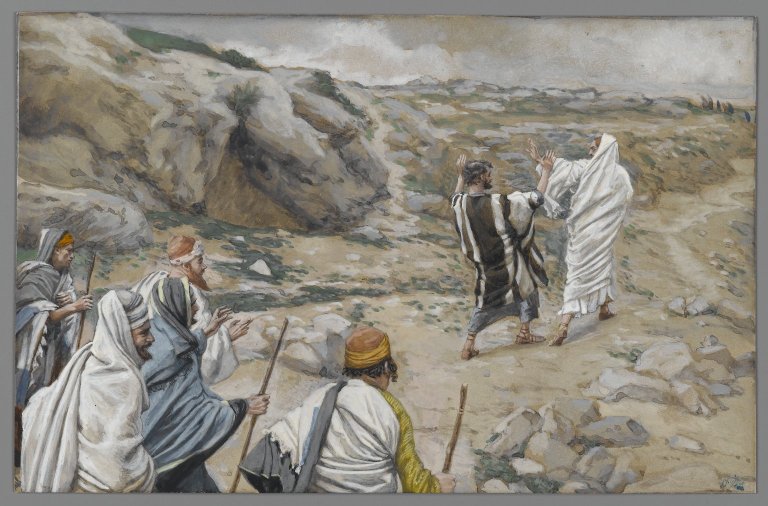
James Tissot – The Procession in the streets of Jerusalem (Brooklyn Museum)

Lent V – The Raising of Lazarus

One thing is absolutely certain from the moment we are born, and that is that our earthly life will end at some point. This is something most people don’t like to spend much time thinking about, and yet it remains an inescapable truth. The Sadducees in Ancient Israel did not believe in life after death, and there are probably plenty of people nowadays who agree with them. However, the Christian Faith is a celebration of the Life, Death, and Resurrection of Jesus Christ. We are an Easter people, it is the heart of our faith. As our celebration of Lent continues we look to the Cross and beyond to the glory of Easter, placing our hope in Him who died and rose again.

The possibility of bringing life out of death is central to the first reading from the prophet Ezekiel. Writing during the exile in Babylon, the prophet has a vision of a valley of dry bones. Even in this image of lifelessness, Ezekiel is able to see God’s ability to bring good out of every situation. Ezekiel’s vision of the day of resurrection also looks forward to Jesus, who is the fulfilment of all prophecy. 

Bethany is a village about two miles east of Jerusalem, and is best known for being the home of Lazarus, Mary, and Martha, who were followers and friends of Jesus. Their house still exists, and now forms part of a church. The Raising of Lazarus from the dead is the last of Jesus’ signs and miracles before His Passion. It was the final straw that pushed the Religious Authorities in Jerusalem into having Our Lord arrested and killed. From the start, today’s Gospel passage looks forward to the events around Jesus’ Passion. The reading begins by pointing out that:

It was Mary who anointed the Lord with ointment and wiped his feet with her hair, whose brother Lazarus was ill. (Jn 11:2)

St Matthew’s account of the Passion begins with this anointing in Bethany. The  two sisters send a message to tell Jesus that their brother, ‘he whom you love is ill’ (Jn 11:3). However Our Lord’s response to this news is surprising:

“This illness does not lead to death. It is for the glory of God, so that the Son of God may be glorified through it.” (Jn 11:4)

Jesus then remains two more days where He is, and after this time tells His disciples, “Let us go to Judea again.” (Jn 11:7)

At a human level this seems strange. We would expect Jesus to go straight away to see His friend who is ill, and heal him. But this is not what happens. What is even stranger is that a few verses later Our Lord makes known that He is aware that Lazarus has died:

Then Jesus told them plainly, “Lazarus has died, and for your sake I am glad that I was not there, so that you may believe. But let us go to him.” (Jn 11:14-15)

The key point is that the disciples may believe. Lazarus’ death is how they will come to belief, as it prefigures Our Lord’s Resurrection. The raising of Lazarus is a sign which points towards Easter.

Jesus and His disciples travel back to Bethany, and as they approach the village they are met by Martha, who greets Our Lord and says:

“Lord, if you had been here, my brother would not have died. But even now I know that whatever you ask from God, God will give you.” (Jn 11:21-22)

Martha is grieving her brother’s death, but in the midst of her grief she can recognise Jesus’ ability to heal, through the help of God. Martha has a deep faith, which is demonstrated in the following memorable exchange: 

Jesus said to her, “Your brother will rise again.” Martha said to him, “I know that he will rise again in the resurrection on the last day.” Jesus said to her, “I am the resurrection and the life. Whoever believes in me, though he die, yet shall he live, and everyone who lives and believes in me shall never die. Do you believe this?” She said to him, “Yes, Lord; I believe that you are the Christ, the Son of God, who is coming into the world.” (Jn 11:23-27)

Martha understands Jesus’ words to be about the resurrection of the dead before the final judgement. However, Jesus explains that through her faith in Him she can have true hope. Through our faith in Christ we can also have eternal life in Him. We too need to believe and trust in Him. Our Lord raises Lazarus to point to His own Resurrection, to explain what will happen. He does this to give people hope, to strengthen their faith and to help them to live out His love in their lives.

Mary of Bethany’s initial response is the same as that of her sister, Martha. She wishes that Jesus had been there to heal Lazarus, and she falls at His feet, weeping. Mary’s grief moves Our Lord, who asks where her brother. is buried.

They said to him, “Lord, come and see.” Jesus wept. (Jn 11:34-35)

There is an immense power in these last two words: ‘Jesus wept’. God, who created the Universe weeps at the grave of His friend. Jesus is the man of sorrows, acquainted with grief. He will soon undergo His Passion and Death for us. As Christians we have a God who understands humanity, who shares our pain, and who will submit Himself to torture and death on our behalf. 

Jesus tells the people assembled at the tomb to remove the stone. Martha, ever the practical disciple, points out that there will be an odour as Lazarus has been dead for four days. 

Jesus said to her, “Did I not tell you that if you believed you would see the glory of God?” So they took away the stone. And Jesus lifted up his eyes and said, “Father, I thank you that you have heard me. I knew that you always hear me, but I said this on account of the people standing around, that they may believe that you sent me.” When he had said these things, he cried out with a loud voice, “Lazarus, come out.” (Jn 11:40-43)

The key here is faith and prayer. In this respect the raising of Lazarus is no different, and no less miraculous, than our own daily lives, which are supported by our faith in God, and prayer. Martha has faith, and sees the glory of God in the raising of her brother who was dead and is now alive. The raising of Lazarus is a miracle, and a demonstration of God’s love, which also points forward to all that Jesus will accomplish in His Passion, Death and Resurrection.

In our baptism we share in Christ’s saving Death and Resurrection. In the signs of John’s Gospel, from the changing of water into wine at the Marriage Feast at Cana, to the raising of Lazarus, we see demonstrations of God’s love, and the power of prayer and faith. Jesus demonstrates that we are loved by a generous God, who is willing to die for us, and rise again, to offer us new life in Him, through faith.

May we too embrace the faith of Mary and Martha, and trust in Our Lord to heal our wounds and raise us to eternal life. Let us give thanks and sing the praises of God the Father, God the Son, and God the Holy Spirit. To whom be ascribed all, glory, dominion, and power, now and forever. Amen. 

James Tissot – Jesus wept (Brooklyn Museum)

Lent IV – The man born blind

To begin this morning, I would like you to do something for me. Please would you close you eyes for a moment. Thank you. Our sight is something that we often take for granted, and our lives would be very different without it. Please open your eyes. Not to be able to see, even for a moment, is difficult and disorienting. To restore sight is a precious gift, which speaks of a God who loves us, and who longs to bring healing and reconciliation to a broken world. 

Today’s Gospel begins, like last week’s, with another interesting encounter:

As he passed by, he saw a man blind from birth. And his disciples asked him, “Rabbi, who sinned, this man or his parents, that he was born blind?” Jesus answered, “It was not that this man sinned, or his parents, but that the works of God might be displayed in him. We must work the works of him who sent me while it is day; night is coming, when no one can work. As long as I am in the world, I am the light of the world.” (Jn 9: 1-5)

Our Lord’s disciples ask Him a question which sounds very harsh to our ears, but it was not uncommon to understand physical disability as a punishment for sin, as in fact the Pharisees do later on in the passage. Thankfully Jesus corrects them. He is the Light of the World, who has come to bring light to those who sit in darkness, both physical and metaphorical. 

Christ spits on the ground, makes some mud, and rubs it on the man’s eyes and tells him to go and wash himself in a nearby pool. This the man does, his sight is restored in miraculous fashion. End of story? No, in fact, this healing miracle is just the beginning of the narrative, which, as we have just heard, develops in some extraordinary ways. 

Something amazing has happened, a man who was unable to see now can. This miraculous healing is a demonstration of God’s power, and God’s love, but will be used by St John to explore ideas of blindness and sight on a metaphorical rather than a purely physical level. The people ask for an explanation:

So they said to him, “Then how were your eyes opened?” He answered, “The man called Jesus made mud and anointed my eyes and said to me, ‘Go to Siloam and wash.’ So I went and washed and received my sight.” They said to him, “Where is he?” He said, “I do not know.” (Jn 9:10-12) 

The man tells them what happened, and who healed him, and how. They ask him where Jesus is, and he does not know. An important factor in this account is the fact that the healing happened on the Sabbath, the Jewish day of rest, when no work was supposed to be done. For this reason the man is brought to the religious authorities. 

They brought to the Pharisees the man who had formerly been blind. Now it was a Sabbath day when Jesus made the mud and opened his eyes. So the Pharisees again asked him how he had received his sight. And he said to them, “He put mud on my eyes, and I washed, and I see.” Some of the Pharisees said, “This man is not from God, for he does not keep the Sabbath.” But others said, “How can a man who is a sinner do such signs?” And there was a division among them. So they said again to the blind man, “What do you say about him, since he has opened your eyes?” He said, “He is a prophet.” (Jn 9:13-17)

The Law of Moses forbids a Jew from working on the Sabbath. What exactly is work? In Jewish terms almost everything is. So if Jesus is breaking the Sabbath, how can He perform such miracles? It is easy to see how this situation could provoke fierce debate. 

The interrogation continues:

So for the second time they called the man who had been blind and said to him, “Give glory to God. We know that this man is a sinner.” He answered, “Whether he is a sinner I do not know. One thing I do know, that though I was blind, now I see.” (Jn 9: 24-25)

The man does not make a judgement about Jesus, he simply states the facts: he was blind, and now he can see. In other words, something miraculous happened, that is all that really matters. The problem is that a man who could not see now can, while the religious authorities are in fact blind, though they can see. The Pharisees are blind to the workings of God, and obsessed with minutiae.

The conversation goes downhill from there, and while the Pharisees refuse to recognise what has happened, the man who was born blind is becoming more well-disposed towards Jesus:

The man answered, “Why, this is an amazing thing! You do not know where he comes from, and yet he opened my eyes. We know that God does not listen to sinners, but if anyone is a worshipper of God and does his will, God listens to him. Never since the world began has it been heard that anyone opened the eyes of a man born blind. If this man were not from God, he could do nothing.” (Jn 9:30-33)

The man who has been healed and given his sight is convinced that a miracle has taken place, and he is happy and grateful. However, at one level the encounter does not end well:

They answered him, “You were born in utter sin, and would you teach us?” And they cast him out. (Jn 9:34)

The Pharisees double down on their original position. They call the man a sinner and throw him out, making him an outcast from society who should be shunned, just like the Samaritan Woman at the well last week. This then leads to a second encounter with Jesus:

Jesus heard that they had cast him out, and having found him he said, “Do you believe in the Son of Man?” He answered, “And who is he, sir, that I may believe in him?” Jesus said to him, “You have seen him, and it is he who is speaking to you.” He said, “Lord, I believe”, and he worshipped him. (Jn 9:35-38)

Jesus asks him a question, which he answers honestly, the man is given more information, and ends up believing in who Jesus is, and what He does. He has been on a journey from blindness to sight, from a lack of belief to belief. With the gift of sight has come the journey towards faith, which ends in the worship of God. What we are presented with is a metaphor for the journey which brings us through baptism to a relationship with Our Lord, which grows into faith and finds its fullest expression in worship. We have come to be close to Christ, to be nourished by Him, and to enjoy eternal life with Him. 

The Religious Authorities, however, do not fare so well:

Jesus said, “For judgement I came into this world, that those who do not see may see, and those who see may become blind.” Some of the Pharisees near him heard these things, and said to him, “Are we also blind?” Jesus said to them, “If you were blind, you would have no guilt; but now that you say, ‘We see’, your guilt remains.” (Jn 9:39-41)

The Pharisees have been weighed in the balance and found wanting, by God, who is Judge of all. They are blind, proud, and arrogant, yet accuse the blind man of suffering because of sin. The ones who should be able to see what is going on, who have studied the Scriptures are blind — they cannot recognise the wonderful works of God in their midst. A man who has never seen before this day has, through an encounter with Jesus, been brought to faith.

As we continue our Lenten pilgrimage, through prayer, fasting and works of charity, we prepare ourselves and our lives to celebrate the Passion, Death, and Resurrection of Our Lord and Saviour, Jesus Christ. We should be encouraged that at its heart what we are preparing to celebrate is the self-giving love of God, poured out on the world to heal us, to restore our humanity. So that we, like the blind man, may see. So that we may understand what God does for us. So that we may have life in all its fullness in Him. May we grow in faith like the man born blind and sing the praises of God the Father, God the Son, and God the Holy Spirit. To whom belongs all, glory, dominion, and power, now and forever. Amen. 

James Tissot The Blind Man Washes in the Pool of Siloam (Brooklyn Museum)

Lent III – Jesus and the Samaritan Woman at the Well.

If I were to mention the Samaritans to you, I suspect that the first thing to come into your mind might be the phone-line for people in emotional distress, which was founded by The Rev’d Chad Varah in 1953. That organisation was named after the Parable of the Good Samaritan in St Luke’s Gospel. However, that it is not the only time that Samaritans are mentioned in the New Testament. In today’s Gospel we have just heard of an encounter between Jesus and a Samaritan woman. 

Water is something that humans cannot live without. If we are deprived of water for more than three days, we die. Thankfully, we are blessed to live in a country with plenty of water, and reservoirs to supply our needs. This morning’s texts have a watery theme, and begin the exploration of baptism which characterises the Eucharistic readings during the rest of Lent. There is a practical reason for this. Traditionally Lent was a time when people prepared for baptism on Easter Eve, sharing in Christ’s Death and Resurrection 

The Book of Exodus frequently depicts the people of Israel moaning and complaining. We can, probably, recognise something of ourselves in them. They are often stubborn, wilful, and are prone to making mistakes. Because they are thirsty, Moses strikes the rock at Horeb, as the Lord commands him, and out flows water. As St Paul puts it, ‘For they drank from the spiritual Rock that followed them, and the Rock was Christ.’ (1Cor 10:4). This water, like the parted water of the Red Sea, prefigures Christ, the living water, and also our baptism, by which we enter the Church. Through baptism we are born again to eternal life in Christ. On the Cross, Jesus’ side was pierced and blood and water flowed out. This water speaks to us of the grace of God poured out upon us, His people, to heal and restore us, and to help us live His risen life.

The Gospel this morning takes place in Samaria, the midlands between Galilee and Judaea. The people living here did not go off into exile in Babylon, but instead stayed put. For centuries the dealings between Jews and Samaritans were fraught with difficulty. They had different holy mountains: the Samaritans worshipped God on Mount Gerazim, whilst the Jews worshipped on Mount Zion in Jerusalem. A Jew was not supposed to even drink from the same cup as a Samaritan.

Drawing water from a well is a necessity in a world without indoor plumbing. We are used to mains water nowadays. But only a few generations ago it was the norm to have to fetch water. In a hot country fetching water is something which you would do at the start or end of the day, otherwise it was too hot to carry the heavy burden back home. Bearing this in mind, the fact that the Samaritan woman is going to the well at midday tells us something. She is going to get her water when there is nobody else at the well because she has been shunned by her community and is an outcast.

When Jesus sees the woman at the well He breaks with convention:

‘Jesus said to her, “Give me a drink.” (For his disciples had gone away into the city to buy food.)’ (Jn 4:7-8)

Such social interaction was frowned upon. Men were not supposed to speak to women, and Jews were not supposed to speak with Samaritans. And yet, Jesus asks the woman for a drink of water. At one level it looks like the start of a romantic story: man meets woman, and asks her for a drink, before getting to know her better, rather like Jacob and Rachel in Genesis 29. The woman is surprised:

‘The Samaritan woman said to him, “How is it that you, a Jew, ask for a drink from me, a woman of Samaria?” (For Jews have no dealings with Samaritans.)’ (Jn 4:9)

Our Lord is breaking the rules because they are manmade, and He intends to use this opportunity to proclaim the Good News. The woman, however, doesn’t quite understand what is going on.

The woman said to him, “Sir, you have nothing to draw water with, and the well is deep. Where do you get that living water? Are you greater than our father Jacob? He gave us the well and drank from it himself, as did his sons and his livestock.” (Jn 4:11-12)

She is concerned with practical considerations, and is unable to see beyond them. Jesus then tries to explain what He means:

Jesus said to her, “Everyone who drinks of this water will be thirsty again, but whoever drinks of the water that I will give him will never be thirsty again. The water that I will give him will become in him a spring of water welling up to eternal life.” The woman said to him, “Sir, give me this water, so that I will not be thirsty or have to come here to draw water.” (Jn 4:13-15)

‘Living water’ can mean water that flows from a spring, or in a river. However, Our Lord is referring to the water of baptism by which we are washed clean and given new life in Christ. The woman is interested in Jesus’ words, mostly because she has had enough of being shunned. Her response is again focussed on practical considerations, but at a deeper level, she is saying, ‘Yes’ to Jesus. Their conversation continues:

Jesus said to her, “Go, call your husband, and come here.” The woman answered him, “I have no husband.” Jesus said to her, “You are right in saying, ‘I have no husband’; for you have had five husbands, and the one you now have is not your husband. What you have said is true.” (Jn 4:16-18)

The woman has had several husbands. We are not given an explanation, but this is possibly because the first died without leaving an heir. According to the Jewish custom of levirate marriage, she was supposed to marry his relatives until she had a son. The woman is possibly being shunned by the community because she is barren, and not able to bear children. Such behaviour appears cruel and judgemental, and Our Lord seems more than happy to proclaim the Good News to this woman who is on the margins of society.

The conversation continues, moving on to matters of religion, and especially where is the right place to worship God:

Jesus said to her, “Woman, believe me, the hour is coming when neither on this mountain nor in Jerusalem will you worship the Father. You worship what you do not know; we worship what we know, for salvation is from the Jews. But the hour is coming, and is now here, when the true worshippers will worship the Father in spirit and truth, for the Father is seeking such people to worship him. God is spirit, and those who worship him must worship in spirit and truth.” (Jn 4:21-24)

Our Lord makes the point that true religion is not a matter of the place where we worship God. More important is our relationship with God, which allows us to worship in spirit and in truth. This then leads to a profound exchange, which sets the tone for the rest of the Gospel passage:

The woman said to him, “I know that Messiah is coming (he who is called Christ). When he comes, he will tell us all things.” Jesus said to her, “I who speak to you am he.” (Jn 4:25)

Jesus tells the woman who He is: The Christ, the Messiah, the Son of God. That is a lot of information to take in, so it is no surprise that we do not hear her response immediately. She is coming to believe in the source of life, she is growing in faith, and by the end of the Gospel passage we will see her speaking to others about Our Lord, spreading the Good News.

Indeed, only a few verses later the woman at the well is telling people about Jesus:

So the woman left her water jar and went away into town and said to the people, “Come, see a man who told me all that I ever did. Can this be the Christ?” (Jn 4: 28-9)

The woman leaves the jar at the well, abandoning her water-fetching labour. This is because she has found the source of living water — Jesus — and is coming to believe that He is the Messiah, and sharing her faith with others. 

There then follows a discussion between Jesus and His disciples about Christian ministry. This is described as a cooperative process — regardless of where we are sowing or reaping, or indeed doing both. Christ’s vision for the Church is of a community where we all work together, for the glory of God.

The Samaritan woman’s testimony brings other local people to believe in Jesus. So they ask Our Lord to stay with them, so that He can teach them. He has gone from being a stranger, an outsider, to being invited to give religious instruction. It is an amazing turn-around, which speaks of the power of personal conversation, the new life of Baptism, and the joy of the Kingdom. The woman who was shunned by her neighbours becomes the one who helps to bring salvation to the whole community.

This Lent may we grow in faith, hope, and love, and share our joy with others so that all may come to sing the praises of God the Father, God the Son, and God the Holy Spirit. To whom belongs all glory, dominion, and power, now and forever. Amen. 

James Tissot – The Woman of Samaria at the well (Brooklyn Museum)

The Second Sunday of Lent

I would like you to imagine, in your mind, a vision of glory. It could be someone winning a chair at an Eisteddfod, or being presented with an Olympic gold medal, or crowned as a king or queen. It might be something completely different, but the point is that our human ideas of glory are quite limited. In the Old Testament the glory of God is often seen as a pillar of cloud or fire, or a bright light. Today we are shown Jesus as the manifestation of glory.

This morning’s reading from the Book of Genesis might well see a strange place to begin a discussion about glory. In the passage, God speaks to a seventy-five year old man called Abram, and tells him to leave behind his friends and his native land. God tells Abram to go on a journey into the unknown, to pack up his belongings and go somewhere new. It is quite an undertaking. God also makes several promises to Abram:

‘And I will make of you a great nation, and I will bless you and make your name great, so that you will be a blessing. …. and in you all the families of the earth shall be blessed.’ (Gen 12: 2-3)

God’s promise to Abram is a crucial moment in salvation history, for Israel and the whole world, for we are all children of Abraham. Abram listens to God and obeys and puts his trust in Him. God likewise calls each and every one of us to follow Him, and to trust Him. As Christians, we are charged to respond to this call, each and every day.

Paul’s Second Letter to Timothy was written from prison before his execution in Rome. Again, this is not exactly an auspicious situation for the subject of glory. However, this letter is Paul’s extended farewell to his beloved disciple, Timothy. The apostle uses it to reflect on the place of suffering in the Christian life. When we go through difficult times we are united with Christ. This is how we are to understand the life of faith in general and Lent in particular. It is about being close to Jesus, and growing through suffering. This is how we obtain glory.

Just before today’s Gospel passage two important events have taken place. The first is that Peter has declared that Jesus is the Messiah, the Christ, the Son of the living God. Secondly, Our Lord has predicted His passion and Death in Jerusalem. Both of these are key to our understanding of what happens next:

‘And after six days Jesus took with him Peter and James, and John his brother, and led them up a high mountain by themselves. And he was transfigured before them, and his face shone like the sun, and his clothes became white as light.’ (Mt 17:1-2)

After six days comes the seventh, the Sabbath, the day of rest, a time to be near to God. There is something about being in the close presence of God that makes people shine. When Moses encounters God on Mount Sinai he glows. This, however, is something more, because in Christ we see the glory of God.

‘And behold, there appeared to them Moses and Elijah, talking with him.’ (Mt 17:3)

Our Lord is not on the mountain on His own. Jesus appears with Moses and Elijah to show His disciples and the Church that He is the fulfilment of both the Law and the Prophets. Scripture points to Him and finds its fulfilment in Him: He is the Messiah, the Son of God, the blessing for all the families of the earth.

‘And Peter said to Jesus, “Lord, it is good that we are here. If you wish, I will make three tents here, one for you and one for Moses and one for Elijah.” (Mt 17:4)

Peter’s response is understandable, it points to the Feast of Tabernacles. This is the Jewish Autumn harvest festival, when Jews live for a week outside in tents with a roof made of leaves. Making tents speaks of hospitality and treating guests with honour, but it also expresses the disciples’ desire to make what is supposed to be a momentary experience into something longer. At this point, God the Father speaks:

‘He was still speaking when, behold, a bright cloud overshadowed them, and a voice from the cloud said, “This is my beloved Son, with whom I am well pleased; listen to him.” (Mt 17:5)

It is not surprising that God’s words are similar here to those He spoke at Jesus’ Baptism. The Father declares that Our Lord is His Beloved Son, in whom He is well pleased, and He commands the disciples to listen to Him. We need to listen to Jesus because He has the words of eternal life, which tell us how to live and flourish as human beings.

The disciples are afraid, because they have just had an encounter with God. That is a totally understandable reaction. 

‘But Jesus came and touched them, saying, “Rise, and have no fear.”’ (Mt 17: 7)

Our Lord tells His disciples ‘Paid ag ofni’ ‘Do not be afraid’ because God is a God of love. They have glimpsed the glory of the Creator, which is not a cause for fear, but for celebration. God is with His people. Jesus tells the disciples not to tell anyone about this until after He has risen from the dead. Christ has another summit He must still climb: the hill of Calvary, where He will suffer and die upon the Cross. There Jesus takes our sins upon Himself, restoring our relationship with God and each other. This is real glory — not worldly glory but the glory of God’s love poured out on the world to heal and restore it.

We live surrounded by mountains and, to quote Fulton Sheen:

“Three important scenes of Our Lord’s life took place on mountains. On one, He preached the Beatitudes, the practice of which would bring a Cross from the world; on the second, He showed the glory that lay beyond the Cross; and on the third,He offered Himself in death as a prelude to His glory and that of all who would believe in His name.”

Fulton Sheen The Life of Christ 1970: 158

 The Transfiguration looks to the Cross as the demonstration of God’s Glory, and can only be understood in the light of it. This is why the disciples are told not to mention it until after the Resurrection. On the Cross we see God’s glory, displayed in sacrificial reconciling love. This is not the world’s idea of glory, but it is God’s. Here we see demonstrated the love which can reconcile humanity. The same love which we hope to enjoy forever in Heaven. 

So let us behold God’s glory, here, this morning. Let us touch and taste God’s glory. Let us prepare to be transformed by His love, through the power of His Holy Spirit, so that we may be built up as living stones, into a temple to God’s glory. May our Lenten pilgrimage take us to the Cross and beyond, to experience His glory and give praise to God the Father, God the Son, and God the Holy Spirit. To whom be ascribed all might, majesty, glory, dominion, and power, now and forever. Amen. 

The Transfiguration – James Tissot (Brooklyn Museum)

The First Sunday of Lent

This morning I would like to begin by asking you a question: ‘Do you find Lent easy or difficult?’ I certainly struggle at times with prayer, fasting, and charity, and if we’re honest, I suspect that most of us do. We make resolutions, and often we don’t manage to keep them. Every one of us, left to our own devices and relying solely upon willpower, will fail at some point. We need the support of a loving Christian community and, most of all, we need to rely upon God to help us. Only with God’s help can we be transformed. One of the secrets of the spiritual life is that it is not about what we can do, but rather about letting God transform us.

Our first reading this morning takes us right back to the start of the problem of humans turning away from God, which began with Adam and Eve in the Garden of Eden. Adam and Eve are tempted by the serpent to do what God has told them not to do. Instead of obeying their creator, Adam and Eve prefer to trust the serpent, who promises that they will become like God. They are disobedient: they do not listen to what God says, and act in accordance with it. However, rather than knowing good and evil, all they learn is that they are naked, and so they act to cover their nakedness. Instead of improving their lives, the knowledge they gain makes them less happy and content. The serpent makes empty promises, and they are taken in by them. Such is the power of lies. 

Having heard how humans first turned away from God, we hear in Paul’s Letter to the Romans (today’s second reading), how disobedience is countered by the obedience of Jesus Christ. It is obedience that leads to Our Lord’s death on the Cross for us. There Christ bears the burden of our disobedience, to pay the debt which we cannot. This is what we are preparing to celebrate: a single act of righteousness that, ‘leads to justification and life for all men’ (Rom 5:18). To be justified is to be declared righteous in the sight of God. We are blameworthy, yet God declares us innocent. We deserve punishment, and yet are rewarded. It is remarkable. Such is God’s love for us that our slate is wiped clean. Each and every one of us deserves to be cast aside, for our misdeeds, like those of Adam and Eve, which separate us from God and each other. Yet God did not leave us in slavery to sin, but sent His Son, so that we might have life in and through Him. This is the Good News of the Gospel.

If today’s Old Testament Reading is concerned with disobedience, then the Gospel is, at its heart, a story of obedience. Jesus is led by the Holy Spirit into the wilderness, into to a deserted, barren place, both to be close to God, and to be tempted by the Devil. It is a harsh, dry, landscape, and after forty days of fasting and prayer, it is no surprise that Our Lord is hungry. 

And the tempter came and said to him, “If you are the Son of God, command these stones to become loaves of bread.” (Mt 4: 3)

The Devil is cunning. He asks Jesus to prove that He is the Son of God by performing a miracle. This temptation works on several levels. By doubting that Jesus is God, and asking Him to prove it, the devil is continuing to mock the God whom he refuses to serve. It is a temptation to be relevant. Jesus is hungry and needs to eat, but is being tempted to use the creative power of God simply to serve an appetite. The world tempts us to be relevant, and to conform ourselves to it, rather than let the world be conformed to the will of God. But Our Lord performs miracles not for His own sake, but for the sake of others, and for the sake of the Kingdom. Conjuring up fresh bread is spectacular, but the miracle would not be done to glorify God. Jesus, therefore, replies as follows:

But he answered, “It is written, “‘Man shall not live by bread alone, but by every word that comes from the mouth of God.’” (Mt 4:4)

Human life requires both physical nourishment, as well as spiritual nourishment. Unless we feed both body and soul, then we are not truly alive. This is a profound truth, which reminds us that as Christians, we are fed by Word and Sacrament, sustained by God so that we may grow in faith, and hope, and love.

The devil tries to tempt Jesus a second time:

Then the devil took him to the holy city and set him on the pinnacle of the temple and said to him, “If you are the Son of God, throw yourself down, for it is written, “‘He will command his angels concerning you’, and “‘On their hands they will bear you up, lest you strike your foot against a stone.’” (Mt 4:5-6)

Jerusalem is the most important place for the Jewish people, with the Temple at its heart, the holy centre of their faith. Again, the devil doubts who Jesus is, and tries to get Our Lord to prove His divinity by doing something spectacular. This is rooted in a doubt as to whether God will act to save His Son. The tempter quotes Scripture to reinforce his point, but Jesus refuses him.

Jesus said to him, “Again it is written, ‘You shall not put the Lord your God to the test.’” (Mt 4:7)

For the second time, Our Lord uses the Scriptures to reinforce His obedience to God. The devil, however, tempts Jesus for a third time:

Again, the devil took him to a very high mountain and showed him all the kingdoms of the world and their glory. And he said to him, “All these I will give you, if you will fall down and worship me.” (Mt 4:8-9)

Power and earthly glory are tempting. Politicians and rulers are often seduced by them. But what the devil is proposing is the ultimate reversal. An angel, albeit a fallen one, is saying to the Son of God, ‘Bow down and worship me’. Worship is , however, due to God alone, and not to His creatures. The devil is seeking to turn the order of things full circle by inviting the Creator to worship a creature. This is wrong, and Jesus will have nothing to do with it:

Then Jesus said to him, “Be gone, Satan! For it is written, “‘You shall worship the Lord your God and him only shall you serve.’” Then the devil left him, and behold, angels came and were ministering to him. (Mt 4:10-11)

Our Lord dismisses Satan and, just like He does in the two previous temptations, He quotes Scripture from the Book of Exodus. The two are linked. Jesus goes through water in Baptism, like Israel at the Red Sea. He spends forty days in the desert, paralleling Israel’s forty years in the wilderness. However, whereas Israel bows down before a false God (the Golden Calf), Our Lord resists temptation. Later, Jesus will be tempted again, during His Crucifixion, when He is mocked:

And those who passed by derided him, wagging their heads and saying, “You who would destroy the temple and rebuild it in three days, save yourself! If you are the Son of God, come down from the cross.” So also the chief priests, with the scribes and elders, mocked him, saying, “He saved others; he cannot save himself. He is the King of Israel; let him come down now from the cross, and we will believe in him. He trusts in God; let God deliver him now, if he desires him. For he said, ‘I am the Son of God.’” (Mt 27:39-43)

Jesus cannot come down from the Cross, because He has to die, to reconcile God and humanity. The mocking tone is the same as before, and the crowd uses the same words as Satan: ‘If you are the Son of God do this’. At both His Temptation and in His Passion and Death, Our Lord is obedient to the will of the Father.

The Temptations of Jesus teach us that we have to be weak, powerless and vulnerable, utterly reliant upon God, so that God can be at work in us. Such weakness may be perceived as foolish in worldly terms, but that is the point. As Christians, we are not meant to be conformed to the world. In seeking to grow in faith, humility, and obedience, we allow God to be at work in us — taking us and transforming us into His likeness. Therefore, as we undertake to follow Christ in our Lenten pilgrimage we do so in the knowledge of our weakness, and in reliance upon God alone. We look forward joyfully, knowing that Christ’s victory — which we will celebrate at Easter — is total and complete. Let us pray that we may receive the grace to follow Christ into the wilderness. As we prepare to celebrate His Death and Resurrection, let us sing the praises of God the Father, God the Son, and God the Holy Spirit. To whom be ascribed all might, majesty, glory, dominion, and power, now and forever. Amen. 

James Tissot – Jesus tempted in the wilderness (Brooklyn Museum)

Ash Wednesday

Today the Church celebrates Ash Wednesday, the beginning of her Lenten journey towards the great festival of Easter. The entire Christian community is invited to live this period of forty days as a pilgrimage of repentance, conversion and renewal. 

In the Bible, the number forty is rich in symbolism. It recalls Israel’s journey in the desert: a time of expectation, purification and closeness to the Lord, but also a time of temptation and testing. It also evokes Jesus’ own sojourn in the desert at the beginning of His public ministry. This was a time of profound closeness to the Father in prayer, but also of confrontation with the mystery of evil. 

The Church’s Lenten discipline is meant to help deepen our life of faith and our imitation of Christ in his paschal mystery. In these forty days may we strive to draw nearer to the Lord by meditating on his word and example. We seek to conquer the desert of our spiritual aridity, selfishness and materialism. For the whole Church may this Lent be a time of grace in which God leads us, in union with the crucified and risen Lord, through the experience of the desert to the joy and hope brought by Easter.

[Pope Benedict XVI Catechesis at the General Audience 22.ii.12: http://www.news.va/en/news/pope-conquering-our-spiritual-desert ]

Today we go with Christ into the desert for forty days. Deserts are places of lack and isolation, something which we have all experienced over the last few years. We have been cut off from people, places, and things we are accustomed to do. In many ways the last few years have felt like a continual Lent. Despite this, as Christians, we thoughtfully prepare to celebrate the Passion, Death and Resurrection of Jesus Christ, who began his public ministry after His Baptism by going into the desert.

To go into the desert is to go to a place to be alone with God, in prayer, to face temptation, and to grow spiritually. It is something which Christians do together over the next six weeks or so, to draw closer to Jesus Christ. By imitating Him, and listening to what He says to us, we prepare ourselves to enter into and share the mystery of His Passion, Death, and Resurrection, so that we may celebrate with joy Christ’s triumph over sin and death, and His victory at Easter. 

In the Gospel reading today, Jesus teaches His disciples how to fast. The point is not about making an outward show of what we are doing, but rather about how the practice affects our interior disposition. This is clear from the first reading, from the prophet Joel, who gives this advice:

“Yet even now,” declares the Lord, “return to me with all your heart, with fasting, with weeping, and with mourning; and rend your hearts and not your garments.” Return to the Lord your God, for he is gracious and merciful, slow to anger, and abiding in steadfast love; and relents over disaster. (Joel 2: 12-13)

Through the prophet, God is calling His people back to Himself, in love and mercy, and rather than the outward show of mourning through the tearing of one’s clothing, to instead to open our hearts to God, so that He can heal us. We can only find healing if we first recognise our need for healing, and that healing is something that God can do for us, we cannot do it for ourselves.

Human beings, by nature like to show off, to engage in display, and to tell people about things. Yet in the Gospel today, Christ tells us to do the exact opposite. We are told not to show what we are doing, to keep it hidden. This is completely in line with the advice of the prophet Joel that fasting, like mourning, has an interior quality which is important.

By giving up something we love and enjoy, and regulating our diet we are not engaging in a holy weight-loss plan. What we are doing is training our bodies and our minds, becoming disciplined. Through this we express physically the radical purification and conversion which lies at the heart of the Christian life: we follow Christ.

We follow Christ into the desert, we follow Christ to the Cross, and beyond, to be united with Him, in love and in suffering. In this we should bear in mind St Paul’s words to the Church in Corinth that we are called to suffer with and for Christ, to bear witness to our faith, and to encourage people, as ‘ambassadors for Christ’. This starts with our reconciliation of each other, and God’s reconciliation and healing of us. Just as for any other role we undertake in life, it requires preparation. 

The Gospel talks of three ways to prepare ourselves: Firstly, Fasting — disciplining the body, and abstaining from food. Secondly, Prayer — drawing closer to God and deepening our relationship with Him, and listening to what He says to us. Thirdly, by Charity, or Almsgiving — being generous to those in need, as God is generous towards us, we follow Christ’s example. Matthew’s Gospel clearly states that we do not do these things in order to be seen to be doing them, in order to gain a reward in human terms, of power or prestige, but to be rewarded by God.

We should always remember that as Christians we cannot earn our forgiveness through our works. God forgives us in Christ, who died and rose again for us. We plead His Cross as our only hope, through which we are saved and set free. 

Being humble, and conscious of our total reliance upon God, allows us to be transformed by God, into what God wants us to be. God’s grace transforms our nature, and we come to know and live life in all its fulness, the joy of the Kingdom, and a foretaste of Heaven. Through this we are united with God, know and experience His love and forgiveness, and are transformed by Him, into His likeness, sharing His life and His love. 

Let us use this Lent, to draw ever closer to God and to each other, (spiritually, if not physically). Through our fasting, prayer, and charity, may we be built up in love, and faith, and hope, and prepare to celebrate with joy the Passion, Death, and Resurrection of Our Lord Jesus Christ. To whom, with God the Father, and God the Holy Spirit, be ascribed all might, majesty, glory, dominion, and power, now, and forever. Amen.

Jesus tempted in the Wilderness – James Tissot (Brooklyn Museum)

Seventh Sunday of Year A

I dare say that the majority of you are familiar with the Beatles’ 1967 hit single, ‘All You Need is Love’. The song became an anthem for a generation, and while John, Paul, George, and Ringo were certainly not theologians, their song reminds us that at its heart, Christianity is a religion of love: love of God and love of neighbour.

Love is a big deal in our world. On Tuesday the whole country celebrated St Valentine’s Day. What started as a Christian festival has now been taken as an opportunity to make money. Thankfully the Church understands love as being about much more than simply passion and romance. Love is ‘to will the good of the other’. Love is choosing that which makes us flourish, as people both in our relationships with each other and in our relationship with God. A society based on love is a living embodiment of the Kingdom. It is a place of generosity and reconciliation, which can change us as individuals, and also the world in which we live.

The first reading today, from the Old Testament contains a key text. This is one of two upon which the whole of the Law and the prophets, and the proclamation of the Good News are based:

“You shall not take vengeance or bear a grudge against the sons of your own people, but you shall love your neighbour as yourself: I am the Lord.” (Lev 19:18)

If we love our neighbour as ourselves, we choose what makes both of us flourish. As Christians we are keen to live in a world characterised by generosity and peace. It is not surprising that the above verse was chosen by Our Lord as one of two verses (focusing upon love of God and neighbour) which sum up the teaching of the Kingdom of God. Christ seeks to deepen our understanding of the ethical underpinnings of our faith, so that we can put them into practice in our lives.

Today’s Gospel continues Jesus’ ethical teaching from the Sermon on the Mount. Our Lord continues to develop His moral teaching and, as I mentioned last week, uses the formula: ‘You have heard it said …. but I say to you ….’ to reinforce and deepen His teaching. 

In the ancient world the idea of retributive justice was common. That is the idea that a punishment should be similar or equal to the crime committed. It forms part of the Law of Moses:

‘But if there is harm, then you shall pay life for life, eye for eye, tooth for tooth, hand for hand, foot for foot,’ (Exod 21:23-24)

While the Law of Moses allowed for limited retribution to take place, Jesus deepens the moral law, and makes it much more demanding. Christ’s followers are not to offer any resistance to mistreatment. We are to be generous to anyone who asks of us, regardless of who they are. Only gentle non-violent love can truly change the world. Our Lord seeks to put an end to the cycle of violence, by encouraging non-resistance. He develops this in an interesting way:

‘And if anyone would sue you and take your tunic, let him have your cloak as well.’ (Mt 5:40)

Generally speaking in Jesus’ time men would wear two main items of clothing, a tunic, and a cloak. So by giving the person who is suing you both your tunic and your cloak you would be left standing in your underwear. The point is that taking all your clothes shames the one bringing the lawsuit as they are not being generous. It demonstrates that they are prepared to strip people naked in order to fulfil their desire for retribution.

Jesus continues:

And if anyone forces you to go one mile, go with him two miles.’ (Mt 5:41)

Roman soldiers had permission to compel someone in Palestine to carry their kit for a mile. This was not popular, understandably. Carrying the soldier’s kit for two miles is a way of both protesting against the injustice of the requirement, and also a way of making the soldier liable to discipline from his superiors for breaking the law. Harshness is overcome by generosity. Both of these examples point ahead to Our Lord’s Passion where He is stripped of His clothes, and forced to carry His Cross to Calvary. In His Passion and Death, Jesus exemplifies the love and generosity that He is encouraging His disciples to live out.

In the Ancient World the concept of loving friends and hating enemies was widespread. However, Jesus takes this moral norm and subverts it in His teaching:

‘But I say to you, Love your enemies and pray for those who persecute you, so that you may be sons of your Father who is in heaven.’ (Mt 5:44-5)

If we love our enemies and pray for those who persecute us, then they may cease to be our enemies. By praying for those who victimise us, we let God be the agent of change, and become people characterised by love and generosity. Only love and forgiveness have the power to heal and restore, to make the world a better place. Our Lord exemplifies this in His Passion when he prays:

“Father, forgive them, for they know not what they do.” (Lk 23:34)

During His Crucifixion and Death, Jesus prays for God’s forgiveness, and so should we. Later in this service we will pray the Lord’s Prayer which includes the words:

‘a maddau i ni ein dyledion, fel y maddeuwn ninnau i’n dyledwyr.
And forgive us our trespasses as we forgive those who trespass against us.’

If we are a people characterised by forgiveness then we are offering an alternative to a world dominated by power. The sun and rain fall on good and bad alike. How then are we to live? We have a choice. We can either follow the way of power and violence, or we can live the life of love, generosity and forgiveness. One has the power to make things worse, the other to make things better. On the Cross we see the demonstration of God’s generous love for humanity. This is the love we are called to imitate.

Jesus teaches us that,

“You therefore must be perfect, as your heavenly Father is perfect.” (Mt 5:48)

In both Latin and Greek the word for ‘perfect’ can also mean ‘complete’. We are called to be complete people. It is our relationship with God that makes us whole, and which enables us to put our faith into practice.

As we prepare to enter the holy season of Lent, we look to the Cross as our only hope, the greatest demonstration of God’s love for us. May we live out the love and the forgiveness which we see in Christ. May we turn away from our past failures, and live out the perfection of Christ. May we live as whole people filled with the love and forgiveness of God the Father, God the Son, and God the Holy Spirit. To whom be ascribed all might, majesty, glory, dominion, and power, now and forever. Amen. 

The Sermon on the Mount, Sant’ Apollinare, Ravena

The Sixth Sunday of Year A

When a new political party comes to power everyone is keen to find out what they will change and what they will leave the same. A new generation often wants to abandon the rules of the preceding one, seeing them as no longer relevant to the new times. Jesus, however, does the reverse. He teaches that the Law of Moses and the prophecies are not to be abolished. Quite the opposite, He states that He has come to fulfil them:

“Do not think that I have come to abolish the Law or the Prophets; I have not come to abolish them but to fulfil them.” (Mt 5:17)

Jesus is the fulfilment of Jewish religious and ethical teaching, which He does not revoke. Instead He deepens its meaning, and reminds people of how God wants us to live. It is an intensification of a rigorous system, which sets a very high standards to live by. Jesus states:

“For I tell you, unless your righteousness exceeds that of the scribes and Pharisees, you will never enter the kingdom of heaven.” (Mt 5:20)

The Religious Authorities of Jesus’ day were scrupulous in their observance of the Law, but even this is not good enough. As Our Lord will go on to explain, God is calling us to live to an even higher standard.

“But I say to you that everyone who is angry with his brother will be liable to judgement; whoever insults his brother will be liable to the council; and whoever says, ‘You fool!’ will be liable to the hell of fire.” (Mt 5:22)

Intensifying the teaching on murder, Jesus points out that anger, and words spoken in anger can themselves have dire consequences. All aspects of our life matter, because we become what we do. As Christians, our actions and our speech help to form our moral character. They are how we put our faith into practice in our lives.

Jesus expects the Christian community to practise reconciliation:

“So if you are offering your gift at the altar and there remember that your brother has something against you, leave your gift there before the altar and go. First be reconciled to your brother, and then come and offer your gift.” (Mt 5:23-24)

We are called to be people in good accord with each other because Christ’s Death on the Cross has reconciled God and humanity. The Cross stands at the heart of Our Lord’s ethical teaching because it is the ultimate demonstration of love and goodness, poured out by God for our benefit. This is the ethical standard by which we are both measured and freed. Reconciliation is difficult and costly, but it allows Christians to live in a new way. This new way of living offers the world the opportunity to move beyond recrimination and retaliation, and flourish in a new relationship with God and each other.

Our Lord’s teaching on adultery takes things much further than the Law of Moses did. This is because Jesus is inaugurating a society based on love and faithfulness. What we say and do are important, they affect who we become. Each of the teachings in today’s Gospel begins, ‘You have heard it said …. But I say to you’, or something similar. Jesus takes existing moral teaching, and deepens it, going beyond the letter of the Law, to point out the Spirit which underlies the teaching. We are called to be people of love, forgiveness, reconciliation, who operate according to higher standards. And this includes the words we use everyday — they matter. 

In our life, we have a choice to make, and we are free to make it. Today’s first reading, from the Jewish Wisdom tradition explains the options:

“Before a man are life and death, and whichever he chooses will be given to him.” (Eccelsiasticus 15: 17)

This verse echoes the choice given by Moses to Israel in Deuteronomy 30:19, and it is expanded upon a few verses later:

“He has not commanded any one to be ungodly, and he has not given any one permission to sin.” (Eccelsiasticus 15: 20)

Humanity has a propensity for sin; to choose to do what we know is the wrong thing to do. Sin damages us, and our relationship with both God and each other. But thanks to Jesus, who chose death for our sake, on our behalf, we can choose life in all its fullness. This we can achieve, both as individuals and as a community, by responding with love. In doing so we conform ourselves to Christ, and embrace His life and death. This is also exemplified in the writings of St Paul. Paul had a deep understanding of the Scriptures and came to see how they both pointed to, and also found their fulfilment in Jesus Christ. The Greeks in Corinth, to whom he was writing, prided themselves on their love of wisdom, their philosophy. Paul, however, has something different to offer:

“But we impart a secret and hidden wisdom of God, which God decreed before the ages for our glory.” (1Cor 2:7)

This hidden wisdom is simply to know Christ and Him crucified (1Cor 2:2) —  words written by Paul a few lines earlier and part of our readings last Sunday. Because of who Jesus is, and what He does, humanity can choose life. The Christian life is not an easy option, it comes at a cost, but the alternative is far worse.

Individually, and as a Christian community, we will struggle to live up to the high standards that God expects of us. However, that is not an excuse not to try. With the love and support of our brothers and sisters in Christ, and the knowledge that God’s love and forgiveness are never-ending, together we can attempt to be the people Jesus longs for us to be. Let us conform ourselves to Christ, and live like Him, and give glory to God the Father, God the Son, and God the Holy Spirit. To whom be ascribed all might, majesty, glory, dominion, and power, now and forever. Amen.

The Sermon of the Beatitudes James Tissot (Brooklyn Museum)

The Fifth Sunday of Year A

Twelve years ago I spent a fortnight in Tamil Nadu in South-East India, as a guest of the local diocese. It was an amazing experience, for which I am extremely grateful. One of the many things that I found strange was how salty the food was there. In the West we are generally told that salt is bad for you, and causes high blood pressure. However, because of the heat and humidity in India, you perspire an awful lot. In order to stay healthy in such an environment you need to consume a lot of water and salt — much more than I was accustomed to. But for people living in hot places, such as the Holy Land in Our Lord’s day (and our own), salt is a necessity. It keeps you alive. 

In cooking, salt has two main functions. The first is to enhance the flavour of food, and the second is to preserve it. A bag of chips without salt just wouldn’t taste as good. In times and places without refrigeration, preserving food is both difficult and important. Jesus is referring to both these actions of salt when he says:

“You are the salt of the earth, but if salt has lost its taste, how shall its saltiness be restored? It is no longer good for anything except to be thrown out and trampled under people’s feet.” (Mt 5:13)

Here Our Lord is encouraging His followers to be the kind of people who both make life taste better, and who preserve faith. If we do not hand on a faith which saves people then we are not doing anyone any favours. As Christians we are called to show that to be ‘in Christ’ is to have life in all its fullness, and in all its richness. We do this by living out our faith in our lives. What we believe as Christians, and how we conduct ourselves, are intrinsically linked. Our actions should be grounded in our beliefs, and they should be a demonstration of our faith in our lives. We can turn away from the moral decay of the world around us, to live the life of the Kingdom here and now. Jesus’ message is stark and uncompromising. One way of life leads to death, the other to life.

Jesus then uses a different image:

“You are the light of the world. A city set on a hill cannot be hidden.” (Mt 5:14)

As well as being salt, Christians are called to be lights, to act as beacons in a world of darkness. A city on a hill is visible and recognisable. It helps you know where you are, and where you are heading. We all use the landmarks we know to  help us to navigate on our journeys. As living lights we help others to navigate through the journey of life.

Our Lord continues His advice:

“Nor do people light a lamp and put it under a basket, but on a stand, and it gives light to all in the house. In the same way, let your light shine before others, so that they may see your good works and give glory to your Father who is in heaven.” (Mt 5:15-16)

The Standard lamps we put in our living rooms are not a new thing. Since ancient times, people have known that the higher up a lamp is, the better it illuminates a room. Likewise the light of faith lived out in a Christian’s life needs to be visible. Jesus says that we are the light of the world. We should hide away our faith as a matter of private devotion which does not affect the rest of our lives. Our faith needs to be seen by others. By putting a lamp on a stand it can shed its light around and shine brightly in the darkness. By living out our faith in all aspects of our lives we let our light shine, so that others may follow our example. In doing so we give glory to God by living the life of a faithful follower of Christ.

“Do not think that I have come to abolish the Law or the Prophets; I have not come to abolish them but to fulfil them.” (Mt 5:17)

Our Lord concludes this section of His teaching by underlining the fact that what He teaches is the fulfilment of the Law and the prophets. Jesus is not abolishing what went before, but deepening its meaning, and reminding people of how God wants us to live.

The first reading from the prophet Isaiah is clear in its commitment to justice and care for the poor and oppressed: 

‘Thus says the Lord: Is it not to share your bread with the hungry and bring the homeless poor into your house; when you see the naked, to cover him, and not to hide yourself from your own flesh? Then shall your light break forth like the dawn, and your healing shall spring up speedily; your righteousness shall go before you;’ (Isa 58:7-8)

Here we see faith lived out in action, being compared to light shining forth. This is the same image as in Jesus’ teaching in the Gospel. Christ does not abolish, but rather fulfils the teaching of the prophets. The point is not our own glorification, but rather God’s. When faith is put into action, God is glorified. 

Jesus calls us to live the life of the Kingdom, here and now. However the values of the Kingdom of God — love, mercy, forgiveness, generosity — are counter-cultural. Christ displays the values of the Kingdom most fully in His Passion and Death, where the relationship between the human and the Divine is healed and restored. This is why St Paul can claim:

‘And I, when I came to you, brothers, did not come proclaiming to you the testimony of God with lofty speech or wisdom. For I decided to know nothing among you except Jesus Christ and him crucified.’ (1Cor 2:1-2)

Nothing matter to Paul except Jesus Christ and Him crucified. Because in Jesus and His Crucifixion we see the extent of God’s love for us. This outpouring of divine love is something which we cannot earn, and do not deserve, but which is lavished upon us so that we might have eternal life in God. The proclamation of the Good News of Jesus Christ remains the same today. God loves us, He died for us, so that we might live in Him. 

So then, my brothers and sisters, let us live out our faith and be the salt of the earth. Let us bring flavour to a world which can be bland and selfish. Let us share our bread with the hungry, and shine the light of the Kingdom of God in the darkness of this world. Let us invite others to share in Christ’s salt and light and to give glory to God the Father, God the Son, and God the Holy Spirit. To whom be ascribed all might, majesty, glory dominion and power, now, and forever. Amen.

Fourth Sunday of Year A

‘Once upon a time there were four little Rabbits, and their names were — Flopsy, Mopsy, Cotton-tail, and Peter’.

Many of you will no doubt know these words from your own childhood, or from reading them to children. They are the opening sentence of the Tale of Peter Rabbit written by Beatrix Potter. The name Beatrix means ‘a woman who blesses’, from the Latin beatus meaning ‘blessed’. This is how we get the word Beatitudes, meaning ‘those who are blessed’, for Jesus’ teaching known as the Sermon on the Mount.

Today’s Gospel contains the beginning of the Sermon on the Mount, a section often referred to as the Beatitudes, which was Jesus’ first extended teaching. Each of the sayings beginning with the phrase, ‘Blessed are…’. In a few sentences Our Lord proclaims how Christians are supposed to live. Jesus’ words are based on the teaching of the prophets. This is clear in today’s first reading from the prophet Zephaniah, who says:

“Seek the Lord, all you humble of the land, who do his just commands; seek righteousness; seek humility;” (Zeph 2:3)

Humility is the opposite of pride. To be humble is to recognise how much we depend upon God and each other. 

We constantly hear how the world around us values success and confidence, and looks up to the rich, and the powerful. By way of contrast to this, Jesus says to the gathered crowd:

“Blessed are the poor in spirit, for theirs is the kingdom of heaven.” (Mt 5:3)

‘Poor in spirit’ is not a term we are used to using, but it means the exact opposite of pride. It places humility as key to living a Christian life: knowing who we are, and our need for God. Only if we rely upon God, and not ourselves — asking Him to work through us — can we truly live out the Christian life. 

“Blessed are those who mourn, for they shall be comforted.” (Mt 5:4)

We mourn those we love, but see no longer in this life. Because we love them we miss them, we want to see them, and hold them, and talk to them. Our parting, while temporary, is still very painful. Thankfully the Kingdom of God is a place of healing and comfort with the promise of Eternal Life. 

“Blessed are the meek, for they shall inherit the earth.” (Mt 5:5)

Gentle people are not weak. Meek folk know how to use their strength, and how not to use it. As Jesus will later say in Matthew’s Gospel: ‘Take my yoke upon you, and learn from me, for I am gentle and lowly in heart, and you will find rest for your souls.’ (Mt 11:29). This is how God wants us to live as human beings. Christ is the example of gentleness we must follow. Once again, God’s vision of the future turns human expectations upside down. 

“Blessed are those who hunger and thirst for righteousness, for they shall be satisfied.” (Mt 5:6)

Should we care about injustice in the world? Absolutely! Should we pray that God’s will is done on earth as it is in Heaven? Definitely! Jesus taught us to pray this way. Our faith should influence how we live our lives, so that we work for the coming of God’s Kingdom here on earth. Clearly God wants to see our world transformed and has invited us to help in the process. Doing this gives us fulfilment.

“Blessed are the merciful, for they shall receive mercy.” (Mt 5:7)

We see what God’s mercy looks like in Our Lord’s death for us on the Cross. In following Christ’s example, we ask for forgiveness for our own sins, and forgive those who sin against us. This forgiveness can transform us and also the world around us, and it is how the healing and reconciliation of God’s Kingdom functions. 

“Blessed are the pure in heart, for they shall see God.” (Mt 5:8)

To be pure in heart is to want what God wants: to align our will with the will of God. It is to be saintly, and thus have the promise of Heaven — which is less of a place or a time, and much more a relationship. To see God is to know Him, and to experience His love for us. This relationship is what Christ comes to restore to humanity, and it is our hope. 

“Blessed are the peacemakers, for they shall be called sons of God.” (Mt 5:9)

First and foremost, we know that Jesus is the Son of God because He made ‘peace by the blood of his cross’ (Colossians 1:20). We too are called to follow Christ’s example and take up our Cross, and work for peace. Peace in our own hearts and lives, in our families and communities, and in our world.

“Blessed are those who are persecuted for righteousness’ sake, for theirs is the kingdom of heaven. Blessed are you when others revile you and persecute you and utter all kinds of evil against you falsely on my account.” (Mt 5:10-11)

Following Jesus will not make us popular, often quite the opposite. If, however, we want to see God’s Kingdom as a reality in this life and the next, then we must be prepared to be shunned, or even ridiculed by others. To follow Christ is to take up the Cross, and to expect persecution, and false accusation. But we are not alone in this, Our Lord has gone before us, showing us that the story does not end with death on a Cross, but instead with the glory of the Resurrection and Eternal life. 

Following the Beatitudes and living the Christian Life is a challenge. There is no doubt that. At its heart, being a Christian, and following Jesus, means living in a way which is unlike the world around us. The world tells us that we need power and wealth to be a success. Jesus knows otherwise, and invites people to live profoundly counter-cultural lives. To swim against the current of popular opinion is not an easy option, but it is something we can do together, by supporting each other to remain faithful to the values of the Gospel, and encouraging others to join us. It is simpler not to do this, which is why for two thousand years Christians have struggled to live up to what God asks of us. But just because something is difficult, it doesn’t mean we shouldn’t try and do it, especially since with God’s help all things are possible.

In today’s reading from Paul’s First Letter to the Corinthians we see the Beatitudes lived out in a Christian community. God turns human values on their head, to offer us new life in Him. This is how we can truly flourish as human beings, loved and redeemed by God. God takes the initiative, and does the heavy lifting, so that we can live as He intended us to live. We are called to be loving, generous, and forgiving, because that is what Jesus has taught and shown us. We can be different to the world around us because we belong to a new community, the Church, the community of faith, built on our relationship with Jesus Christ, who came to save humanity from itself.

Let us then live out our faith together, and give glory to God the Father, God the Son, and God the Holy Spirit. To whom be ascribed all might, majesty, glory dominion and power, now, and forever. Amen. 

The Sermon of the Beatitudes – James Tissot (Brooklyn Museum)

Third Sunday of Year A

Knowing when not to do something is important. It is equally as important as knowing when to do something. Knowing when it is a good time to retreat and make a strategic withdrawal is an important life-skill. Today’s Gospel begins with one such example. John the Baptist has been arrested for making outspoken political comments against members of the ruling Herodian family. He has been criticising Herod Antipas’ divorce and subsequent marriage to Herodias, his brother’s ex-wife. Following John’s arrest the political climate in Judaea had got a bit too hot. So, after His Baptism, Jesus withdraws from Judaea into Galilee. He goes back to where He grew up, in the northern part of Israel. 

Jesus begins his public ministry by setting off from His hometown of Nazareth, and walking to Capernaum by the shore of the Sea of Galilee. It is a day’s journey. This is an important place for Jesus to start His public ministry, because it fulfils a prophecy in Isaiah, which St Matthew quotes, and which forms part of the first reading today:

‘The land of Zebulun and the land of Naphtali, the way of the sea, beyond the Jordan, Galilee of the Gentiles— the people dwelling in darkness have seen a great light, and for those dwelling in the region and shadow of death, on them a light has dawned.’ (Mt 4:15-16) 

This part of Israel is where people were first taken off into captivity by the Assyrians, some seven hundred years before. So Our Lord’s restoration of Israel starts in the place where the Northern Kingdom first began to fall apart. Prophecy is fulfilled, and the Kingdom of God is becoming a reality.

Jesus begins his preaching ministry in the ancient village of Capernaum with a simple, clear message:

‘Repent, for the kingdom of heaven is at hand’ (Mt 4:17)

Our Lord’s message is exactly the same as the words of John the Baptist recorded in Matthew Chapter 3. This should not come as a surprise. There is a consistency between John and Jesus — they are proclaiming the same message. They both declare that people need to turn away from all that separates them from God and each other, and seek forgiveness and reconciliation. By doing this they (and we) will come to know the fullness of life which God offers to those who turn to Him. 

Walking along the shore of the Sea of Galilee, Our Lord sees two fishermen, Andrew and his brother Simon, casting their nets. Last week, in John’s Gospel (Jn 1:37-42), we learned how Andrew had originally been a disciple of John who had guided him towards Jesus. Both Matthew’s and John’s accounts stress the links between the ministry and proclamation of Jesus and John the Baptist. However, John locates the calling of Andrew and Simon in Judaea just after Jesus’ Baptism, whereas Matthew places it later in Galilee. Our Lord invites the brothers to:

‘Follow me, and I will make you fishers of men.’ (Mt 4:19)

On hearing Jesus’ words Simon Peter and Andrew are ready to drop everything and follow Him. A little later, James and John do the same, leaving Zebedee, their father, behind in the boat. These fisherman believe that nothing is more important than following Jesus. Instead of catching fish, Our Lord invites them to catch people, to invite people to enter into a relationship with God and each other, that we call the Church.

So what does Jesus do with this small group of disciples? He takes them into local synagogues, where He teaches and interprets the Jewish Scriptures (the Old Testament), pointing out how He fulfils its prophecies. Jesus also proclaims the Good News of the Kingdom: that we are loved by God. He demonstrates this love in practice by healing the sick. God’s kingdom is a place where wounds are healed, where people are restored to wholeness, in mind, body and soul. In both preaching and healing Our Lord demonstrates the reality of the Kingdom, both as a place prophesied by Scripture, and as the fulfilment of human longing. We are part of that reality today, as brothers and sisters in Christ, through our common baptism.

When we read Paul’s First Letter to the Corinthians, we may be surprised to find that only three or four years after its foundation there are problems and divisions in the Corinthian church. St Paul makes his position clear:

‘I appeal to you, brothers, by the name of our Lord Jesus Christ, that all of you agree, and that there be no divisions among you, but that you be united in the same mind and the same judgement.’ (1Cor 1:10)

The Christian community at Corinth has been disintegrating into factions, which is exactly what Paul does not want. Paul wants to preach the Good News: that Christ died for us all, to give us new life in Him. It is good to be reminded of this during this Week of Prayer for Christian Unity. For over 110 years Christians have set aside eight days to pray and work for an end to division, and to pray for each other.

Division amongst Christians is a difficult thing — it was 2,000 years ago, and it still is today. We are supposed to be united, as brothers and sisters in Christ, preaching Christ crucified, and calling people to the fullness of life in the Kingdom of God. It is shocking that the tribalism which St Paul condemns in the first century, is still alive and well today. Many people are still defining themselves as one sort of Christian as opposed to another, or by the place where they worship. Our culpability in this is something for which we need to repent. As followers of Jesus we need to turn away from disunion, and turn back to the God of love, who longs to heal our wounds and divisions. Fostering unity is following the will of God. We can and should pray that our dissensions cease, and that God’s grace may be poured out upon us. We pray for God’s help and guidance to bring us into the unity which is His will, to help us to thrive, and to give credence to our proclamation of the Good News. 

May we grow together with our fellow Christians in love and our combined enthusiasm for the proclamation of the Gospel. Let us together believe and give glory to God the Father, God the Son, and God the Holy Spirit. To whom be ascribed all might, majesty, glory dominion and power, now, and forever. Amen. 

The Calling of St Peter and St Andrew – James Tissot (Brooklyn Museum)

The Second Sunday of Year A

One of the loveliest aspects of Christian Worship is how many of the words we use in worship are taken from the Bible. Whenever the Eucharist is celebrated in our benefice, people are invited to communion using the words of John the Baptist which are heard in the Gospel today: 

‘Behold, the Lamb of God, who takes away the sin of the world!’ (Jn 1:29) 

John speaks these words at the beginning of Jesus’ public ministry, after His baptism and before the calling of the first disciples. John the Baptist has invited people to repent, to turn away from what separates them from God and each other. John’s mission finds its fulfilment in Jesus, whom he has just baptized. Jesus is the person who reconciles God and humanity, through His death on the Cross. This is the Good News of the Kingdom. We are loved by God, who flings His arms wide on the Cross to embrace the world with love. A God who embraces shame and torture, to show the world love. It isn’t what you would expect, and that’s the point. God experiences human pain and suffering and in doing so makes a relationship possible, so that we might come to know Him, and love Him.

John then explains Jesus’ importance:

“This is he of whom I said, ‘After me comes a man who ranks before me, because he was before me.’” (Jn 1:30)

We know from Luke’s Gospel that John is six months older than Jesus, so what is going on here? How can Jesus have been before John? Christ is God Incarnate, He has always existed, and the Eternal has taken flesh in the womb of His mother, Mary. John then bears witness to what occurred when he baptized Jesus:

“I saw the Spirit descend from heaven like a dove, and it remained on him. I myself did not know him, but he who sent me to baptize with water said to me, ‘He on whom you see the Spirit descend and remain, this is he who baptizes with the Holy Spirit.’ And I have seen and have borne witness that this is the Son of God.” (Jn 1:32-34)

At Jesus’ Baptism we see and hear the Three Persons of the Holy Trinity: God the Father speaks, the Son is obedient, and the Spirit encourages. Jesus will pour out the Holy Spirit, the bond of love between the Father and the Son, the Spirit of healing and reconciliation. John recognises that Jesus is the Son of God, and proclaims this truth, that God dwells with His people. 

The next day John sees Jesus and repeats his exclamation from the day before:

“Behold the Lamb of God!” (Jn 1:36)

This causes two of John’s disciples, Andrew and a second unnamed man, to start following Jesus:

‘Jesus turned and saw them following and said to them, “What are you seeking?” And they said to him, “Rabbi” (which means Teacher), “where are you staying?” He said to them, “Come and you will see.” So they came and saw where he was staying, and they stayed with him that day, for it was about the tenth hour.’ (Jn 1:38-39)

Jesus answers their question with an invitation, ‘Come and see!’ and they do just that, and spend the evening with Him. Clearly their encounter has a powerful effect, because the next day Andrew goes to find his brother, Simon and says, 

‘“We have found the Messiah” (which means Christ). He brought him to Jesus. Jesus looked at him and said, “So you are Simon the son of John? You shall be called Cephas” (which means Peter).’ (Jn 1:41-42)

Here in a series of simple personal encounters, Jesus calls His first disciples. This is the beginning of a movement which has brought us together today. We, like the Christians in Corinth to whom St Paul wrote, are:

‘those sanctified in Christ Jesus, called to be saints together with all those who in every place call upon the name of our Lord Jesus Christ, both their Lord and ours.’ (1Cor 1:2)

We can call upon His name in prayer because He loves us, and saves us from our sins. From the beginning of Jesus’ ministry, even from the gifts offered by the Three Wise Men, Our Lord’s life and mission is to be understood in terms of the death He will suffer. It is this sacrificial, self-giving love which God pours out on His World, which streams from our Saviour’s pierced side. This makes our peace with God, and with one another. It is this recognition of who and what Jesus really is that enables us to recognize who and what we really are. By following Jesus’ teachings and example we can live our lives truly, wholly, and fully, loved by God and loving one another. 

Together, we can do this most profoundly when we celebrate the Eucharist together, because the Eucharist is the sacrament of unity. It unites heaven and earth through the sacrifice of Calvary, and allows all humanity to share the Body and Blood of Our Saviour Jesus Christ. We feed on Him so that we may become what He is. This enables us to share eternity with Him, and to live lives of faith and hope, and love. So then, let us give thanks for Jesus, the Lamb of God, the Agnus Dei, and enter into the mystery of God’s self-giving love. Let us together give glory to God the Father, God the Son, and God the Holy Spirit. To whom be ascribed all might, majesty, glory dominion and power, now, and forever.

Saint John the Baptist Sees Jesus from Afar – James Tissot (Brooklyn Museum)

Epiphany 2023

Most of us know what it is like to be faced with unexpected visitors. It is something of a surprise, and you do your best to make them feel at home. Today’s Gospel is all about unexpected visitors. Wise men from the East follow a star, looking for a baby, who has been born king of the Jews. They go to Jerusalem, to see Herod , as they assume that a king will be born to a royal family, in a palace. You cannot fault their reasoning. The Magi see a sign prefiguring a royal birth and go to where they think it will occur. Their arrival, however, does not quite have the effect they were expecting:

‘When Herod the king heard this, he was troubled, and all Jerusalem with him; and assembling all the chief priests and scribes of the people, he enquired of them where the Christ was to be born.’ (Mt 2:3-4)

The wise men assume that the birth of a royal baby is a cause for celebration , but is certainly isn’t for Herod! His family had bribed the Romans to gain their position. They were not related to David, and they weren’t even from Israel. So, on hearing the news from the wise men, Herod assembles all the religious and legal experts he can find. He is terrified that his position as king is under serious threat. The child could have a legitimate claim, there could be a revolution and regime change. Herod needs to know where the child will be born.

They told him, “In Bethlehem of Judea, for so it is written by the prophet: ‘And you, O Bethlehem, in the land of Judah, are by no means least among the rulers of Judah; for from you shall come a ruler who will shepherd my people Israel.’” (Mt 2:5-6)

Once Herod knows where the child is going to be born, the next thing is to find out when the birth will take place, and finally who this royal baby is. Bethlehem is the birthplace of the Davidic monarchy: King David was born there, and so was Jesus. The Gospel quotes a prophecy of Micah ‘And you, O Bethlehem, in the land of Judah, are by no means least among the rulers of Judah; for from you shall come a ruler who will shepherd my people Israel.’ (5:2) to support the claim. 

‘Then Herod summoned the wise men secretly and ascertained from them what time the star had appeared. And he sent them to Bethlehem, saying, “Go and search diligently for the child, and when you have found him, bring me word, that I too may come and worship him.” After listening to the king, they went on their way.’ (Mt 2:7-9)

Herod claims that he wants to know when the baby was born, so that he may come and worship the infant king. However, he had not intention of relinquishing his power, his behaviour is a sham. The Wise Men leave the palace and head for Bethlehem.

‘And behold, the star that they had seen when it rose went before them until it came to rest over the place where the child was. When they saw the star, they rejoiced exceedingly with great joy.’ (Mt 2:9-10)

The Magi have travelled hundreds of miles because they saw a star in the heavens. Now it is above Bethlehem, and they have reached the new-born King. 

‘And going into the house they saw the child with Mary his mother, and they fell down and worshipped him. Then, opening their treasures, they offered him gifts, gold and frankincense and myrrh.’ (Mt 2:11) 

Gold, frankincense, and myrrh are unusual gifts for a baby, even a royal one. They are, however, all expensive, costly, and precious things. Gold, is a precious metal, which is pure and does not tarnish. It is a gift fit for a king. Gold’s purity points to a life of perfect obedience, the pattern of how life should be lived. Incense, from Arabia, was offered to God in the Temple in Jerusalem. As the sweet-smelling smoke rose, it looked like prayers rising to God. Frankincense is a sign of worship, and honour, representing how humanity should respond to God. Myrrh was often used in the ointment used for embalming, it speaks of death. Even in Jesus’ birth, we see Christ’s kingly power, and His obedience to the will of the Father. We see His role in worship as our great High Priest, which leads Him to Death and Burial.

‘And being warned in a dream not to return to Herod, they departed to their own country by another way.’ (Mt 2:12)

The Wise Men are warned not to go back to Herod, not to tell him who Jesus is. This is because Herod does not want to worship Jesus, he wants to kill Him, and safeguard his own position. And so the unexpected visitors leave as mysteriously as they arrived. These pilgrims from afar gave Our Lord gifts which celebrate His Humanity and Divinity, and which look forward to His Death and Burial. The beginning of Jesus’ earthly life looks to its end, because it is all part of the outworking of salvation history.

What we are celebrating today was prophesied by Isaiah in the first reading this morning:

‘Arise, shine, for your light has come, and the glory of the Lord has risen upon you’ (Isa 60:1)

The birth of the Messiah is a sign of God’s glory, and the salvation He will bring for all people. 

‘And nations shall come to your light, and kings to the brightness of your rising’ (Isa 60:3)

These pilgrims are the Magi, the Wise Men, who represent the entire Gentile (non-Jewish) World. They have come to worship God born among us. 

‘They shall bring gold and frankincense, and shall bring good news, the praises of the Lord’ (Isa 60:6)

The Magi recognise who it is they have come to see, and their gifts fulfil Isaiah’s prophecy. What might appear strange at first sight is, in fact, both apt and right: to worship God and honour a King, and to recognise the Saviour in their midst. Today the World recognises the birth of Jesus Christ, and the mystery of salvation is proclaimed to all.

Likewise as we celebrate the Feast of the Epiphany we also look forward to Our Lord’s Baptism in the River Jordan and his first miracle at the Wedding at Cana. He who is without sin shows humanity how to be freed from sin and to have new life in Him. In turning water into wine we see that the kingdom of God is a place of generous love, a place of joy, and of life in all its fullness. 

So let us be filled with joy and love, of the Saviour made manifest, and may we proclaim the Good News of Our Salvation. Amen
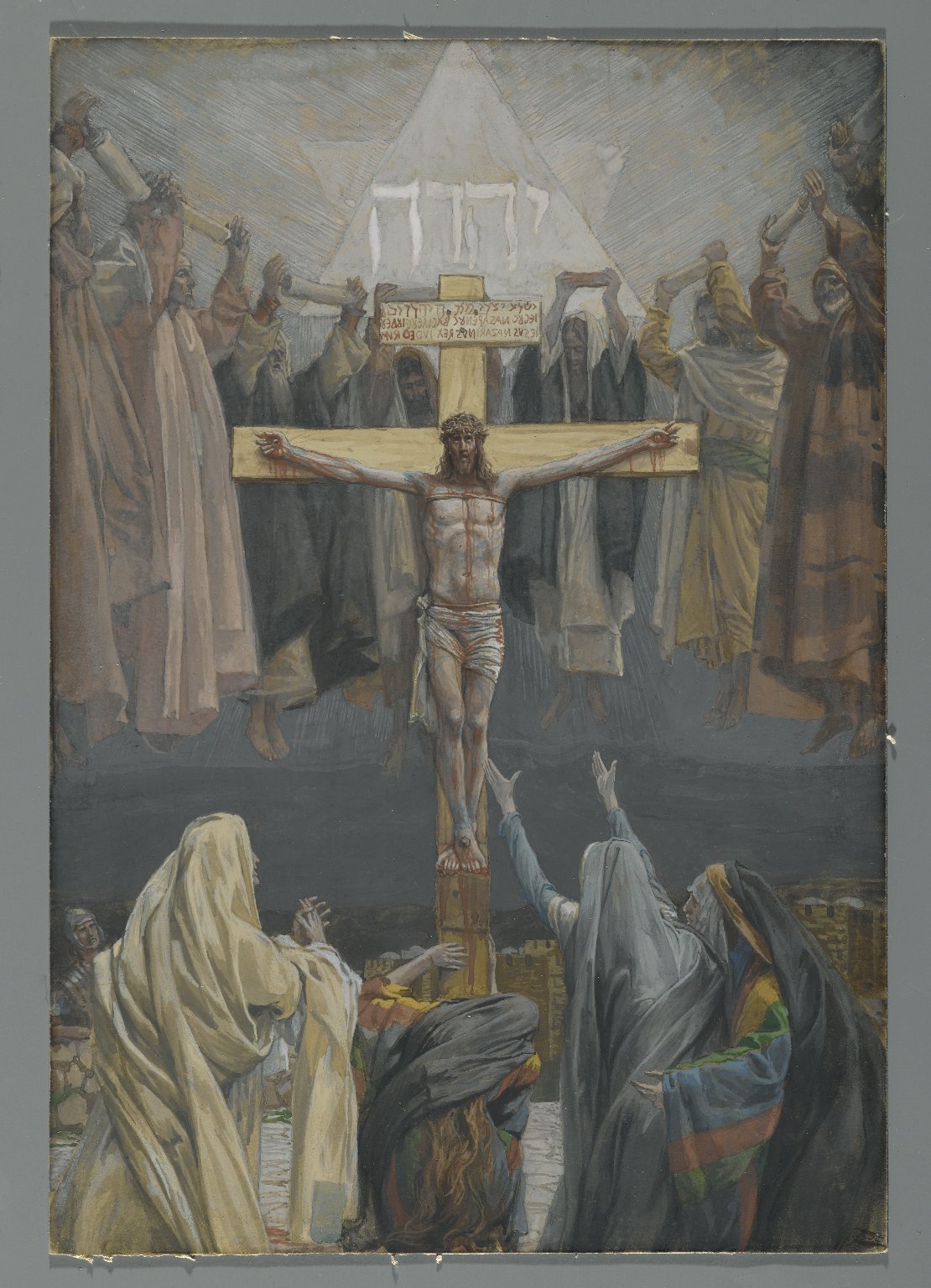
The Adoration of the Magi – Edward Burne-Jones

Christmas Day 2022

2022 has been a very eventful year, to say the least. The terrible war in Ukraine has led to the death s and displacement of so many and has affected us all. It is wonderful that members of our local community have opened their hearts and homes to welcome Ukrainian families. In the UK we have experienced unprecedented political turmoil, extreme weather, and the death of Queen Elizabeth II. The cost of living has increased dramatically and strikes have become a common event. It seems incredible that in one of the supposedly richest countries in the world, so many are reliant on food banks. The song which has become the Christmas Number 1 is all about people being cold and hungry at Christmas time. There is a deep need for the message of love and hope which the birth of Jesus brings.

The Christian Faith has at its heart an astounding and amazing fact which we are celebrating today: that God is born, as one of us, as a human being. He was born into a world which saw its gods as distant and strange.In the first century Jewish understanding God is utterly transcendent, other, and beyond our comprehension. It is hard to fully appreciate the idea that by the power of the Holy Spirit, God took flesh in the womb of the Blessed Virgin Mary and was born today.

The birth of the Messiah had been foretold in prophecy, and in particular in the prophecy of Isaiah.

‘How beautiful upon the mountains are the feet of him who brings good news, who publishes peace, who brings good news of happiness, who publishes salvation, who says to Zion, “Your God reigns.”’ (Isa 52:7)

Jesus is the Prince of Peace, and the embodiment of the Gospel of Salvation. He comes to bring comfort and redemption to both the people of Israel and to the whole world.

‘for the Lord has comforted his people; he has redeemed Jerusalem.’ (Isa 52:9)

Today our salvation has dawned, prophecy is fulfilled and the Saviour of the world is born. The message of Isaiah is one of joy. The birth of the Messiah, Jesus Christ, is Good News. This is because He comes to bring true peace to humanity. Our God reigns as a little baby, lying in a manger. Christ’s gift to us is peace and goodwill to all humanity, from those of us gathered here this morning, to those living on the other side of the world. Jesus can give us these gifts because He, who is born for us today, will die for us. The one wrapped in swaddling clothes now, will be wrapped in linen cloths in a tomb once He has died for us on the Cross. The beginning of Christ’s earthly life points to its end to remind us of the love of God for humanity. With joy the prophet proclaims,

‘and all the ends of the earth shall see the salvation of our God.’ (Isa 52:10) 

Today salvation has indeed come to the whole world, for in Jesus’ Birth and Death we are saved. Likewise, the Letter to the Hebrews begins by mentioning both prophecy and Our Lord’s birth.

‘Long ago, at many times and in many ways, God spoke to our fathers by the prophets, but in these last days he has spoken to us by his Son’ (Heb 1:1)

The word is made flesh so that prophecy might be fulfilled, so that the hope of salvation might dawn, so that a people who have languished long in darkness might behold the glory of God where heaven and earth meet, in a stable in Bethlehem. This is truly Good News.

John’s Gospel begins by taking us back to the beginning of salvation history, indeed the beginning of everything, the Creation, and the start of Genesis. The point that John is making is that God speaks the universe into being. Not only that, the Word is now an infant, literally ‘one not speaking’ or ‘silent’, lying in a manger. The Word is silent, yet proclaims God’s love to humanity. God becomes helpless, vulnerable, and completely dependant upon Mary and Joseph. Today we are celebrating the fact that God takes a risk, and enters into the world as a human being, to live, to die, and to rise again, for us. Our Creator does this out of love for humanity, to fill us with His love and grace, and so that we might be transformed into His likeness, and spend eternity with Him.

At Christmas we ponder the awesome mystery of God:

‘And the Word became flesh and dwelt among us, and we have seen his glory, glory as of the only Son from the Father, full of grace and truth.’ (Jn 1:14)

The Word becomes flesh in the womb of His mother at the Annunciation. God’s Son is born for us today, and will die for us, as to be human is both to be born and to die. Jesus is also raised from the dead to give us the promise of eternal life in Him. The Word will become flesh here, today, during the Eucharist, to feed us so that, ‘we may be partakers of the divine nature’, as today’s Collect puts it. God became human, so that humanity might become divine. Here in this wonderful exchange, earth and Heaven meet, and the restoration of humanity begins. The Kingdom of God is inaugurated, not in royal palace or temple, but in a stable surrounded by animals and shepherds. God is incarnate and lives with his pilgrim people on earth — sharing all of human life, from birth to death, so that we might share the Divine Life of Love. Our God is a relational God who invites humanity to share in that relationship, which is offered freely, to all people. The sheer exuberance of such an offer, is extravegant: it is generous in a way which defies our expectation and our understanding.

God is a God of mystery and paradox. We know that we can never understand Him, but we can experience His love. To quote from Sir John Betjeman’s poem ‘Christmas’:

No love that in a family dwells,

No carolling in frosty air,

Nor all the steeple-shaking bells

Can with this single Truth compare —

That God was man in Palestine

And lives today in Bread and Wine.

May we, therefore, take joy and strength from the love of God demonstrated through the birth of Jesus. Let us be filled with the Holy Spirit as we celebrate Emmanuel, God with us. Amen.

The Nativity – James Tissot (Brooklyn Museum)

Advent IV

Of all the figures in the story of Our Lord’s Nativity, the one most often overlooked is Joseph. However, those who chose the designs for the stained glass in our East Window decided to include Joseph and depicted him as a worker of wood. It is fair to say that today’s Gospel finds Joseph in a particularly awkward situation. He is described in verse 19 as a ‘just man’. Just or righteous in this context means that he obeys Jewish Law. Deuteronomy 22:23-24 states that:

‘If there is a betrothed virgin, and a man meets her in the city and lies with her, then you shall bring them both out to the gate of that city, and you shall stone them to death with stones, the young woman because she did not cry for help though she was in the city, and the man because he violated his neighbour’s wife. So you shall purge the evil from your midst.’ (Deut 22:23-24)

Mary and Joseph are betrothed, and preparing to be married, but strictly speaking under Jewish Law because she is pregnant, Mary is guilty of a capital crime. It is perhaps for this reason that Mary spends time out in the country with her cousin Elizabeth in Luke’s account. Joseph loves Mary, and rather than see her killed or publicly humiliated he wants to put an end to the marriage. It is at this moment that the Angel Gabriel appears to him in a dream saying:

“Joseph, son of David, do not fear to take Mary as your wife, for that which is conceived in her is from the Holy Spirit. She will bear a son, and you shall call his name Jesus, for he will save his people from their sins.” (Mt 1:20-21)

Joseph is a descendant of David, a member of Israel’s Royal Family, an awkward fact when the current occupier of the throne was put there by the Romans as a pliant puppet king. The angel says to Joseph, ‘Paid ag ofni, Do not be afraid!’ Again and again God speaks to His people to tell them to be of good heart, to reassure and encourage them. God loves His people, there is nothing to be afraid about. The angel is clear: the child that will be born is of the Holy Spirit, He will be the Son of God, and His name will be Jesus, because He will save His people from their sins. Jesus means ‘God saves’ which is exactly what Jesus does. At a practical level the angel’s message to Joseph is to put him at ease, to stop him worrying. The message is Good News, the Gospel of Salvation is announced.

To reinforce this fact St Matthew then quotes a prophecy of Isaiah, which is also found in the first reading today:

“Behold, the virgin shall conceive and bear a son, and they shall call his name Immanuel” (Mt 1:23)

The prophecy is fulfilled, there will be a son born to the House of David, who will be God with us (Immanuel), and He will save His people from their sins. This is why we celebrate Christmas, because it is the coming of our Saviour. What does is mean to say that God is with us? Is it an expression of solidarity? Or something more? In Jesus God is with us, and shares our human life, from birth to death. Christ is not some remote divine figure, but one intimately acquainted with all of human existence. God is not external, but someone who understands us, and loves us. Someone whose entire existence is about communicating Divine Love and Reconciliation. The Church has been proclaiming the same message of hope and salvation for the past two thousand years.

He will save his people from their sins’: the angel’s words to Joseph could not be clearer. Jesus is God’s rescue mission, to save humanity from their sins. This vocation leads to the Cross, and so as we prepare to celebrate His Birth, we know that His life will end here, on Cross. It is significant that in our stained glass window Joseph, who we usually associate with Christ’s birth is depicted with the tools to create a cross, reminding us of how the story concludes As we prepare the most joyous of feasts, we are mindful of the cost of God’s love.

It is important to notice what Joseph does when the dream is over:

‘When Joseph woke from sleep, he did as the angel of the Lord commanded him: he took his wife, but knew her not until she had given birth to a son. And he called his name Jesus.’ (Mt 1:24-25)

Joseph did as the angel commanded him. He was obedient. He listened and obeyed. Joseph is complete opposite of Ahaz, in today’s first reading, who neither listens to God nor obeys Him. Joseph is obedient in naming his son: ‘And he called his name Jesus’ (Mt 1:25). Jesus too will be obedient. His is an obedience to the Father’s will borne out through suffering, death and resurrection which characterises the mission of the Son, this is what brings about our salvation. We in obedience look for His second coming as our Saviour and our Judge. As Christians we are called to take time to ponder these mysteries — to stop for a while amid the business of our modern existence and reflect upon the wondrous nature of God’s love for us and all humanity: We are to take this opportunity to stop and to ponder this wondrous fact, to reflect upon what ‘God-with-us’ means to us and our lives..

As the people of God, members of the Christian Church which we enter through our baptism, we are all called to proclaim the Good News, and to live out the story of Jesus in our lives. We urge the world to stop and to consider exactly what is being celebrating at Christmas: a free gift, of hope and salvation for all people, in a baby, born in a stable, among the poor and the marginalised.

The act of love which we will experience in Our Lord’s Nativity should draw us to love God and our neighbour, and to live out the love which becomes flesh in the womb of the Virgin Mary. This same love will become flesh and blood that we touch and taste, here, this morning, through the bread and wine, feeding us, so that we might share His divine life. So, my brothers and sisters in Christ, let us imitate the mystery we celebrate, let us be filled with and transformed by the divine life of love. Let us, like Mary and Joseph, wait on the Lord and be transformed by him, to live out our faith in our lives so that the world might believe and sing the praise of God the Father, God the Son, and God the Holy Spirit. To whom be ascribed all might, majesty, glory, dominion, and power, now and forever. Amen.

James Tissot – The Anxiety of St Joseph (Brooklyn Museum)

St Nicholas

The 6th of December is the feast of St Nicholas, Patron of this church. Saint Nicholas is probably best known to people today as Santa Claus, from the Dutch for St Nicholas. It may surprise you to know that the jolly bearded man with fur-trimmed clothes is in fact real. He did exist. But St Nicholas is perhaps not quite what you’ve been led to believe. For a start, he doesn’t live at the North Pole, or have any reindeer. In fact, he was born on the South coast of Asia Minor, modern Turkey, in the late 3rd century AD. His parents were Christians, his uncle (also called Nicholas) was the Bishop of Myra. When his parents died, Nicholas gave away everything he owned to help the needy, sick, and suffering, and was ordained by his uncle, who put him in charge of a local monastery. Soon afterwards Nicholas was elected to succeed his late uncle as the local bishop.

Some time later, Nicholas heard about a man in Myra was a widow with three daughters. He was poor, and could not afford to pay their marriage dowries. As a result he was going to sell his daughters into prostitution. So, one night, Nicholas dropped a bag of coins through a window into their house. He did the same the next night. But on the third night he was discovered, but begged the father not to say anything until after his death. As a result of Nicholas’ charity the three young women were able to marry. This is the reason that St Nicholas is often depicted with three gold coins or balls. Later the symbol of the three golden balls was adopted by pawnbrokers as their sign.
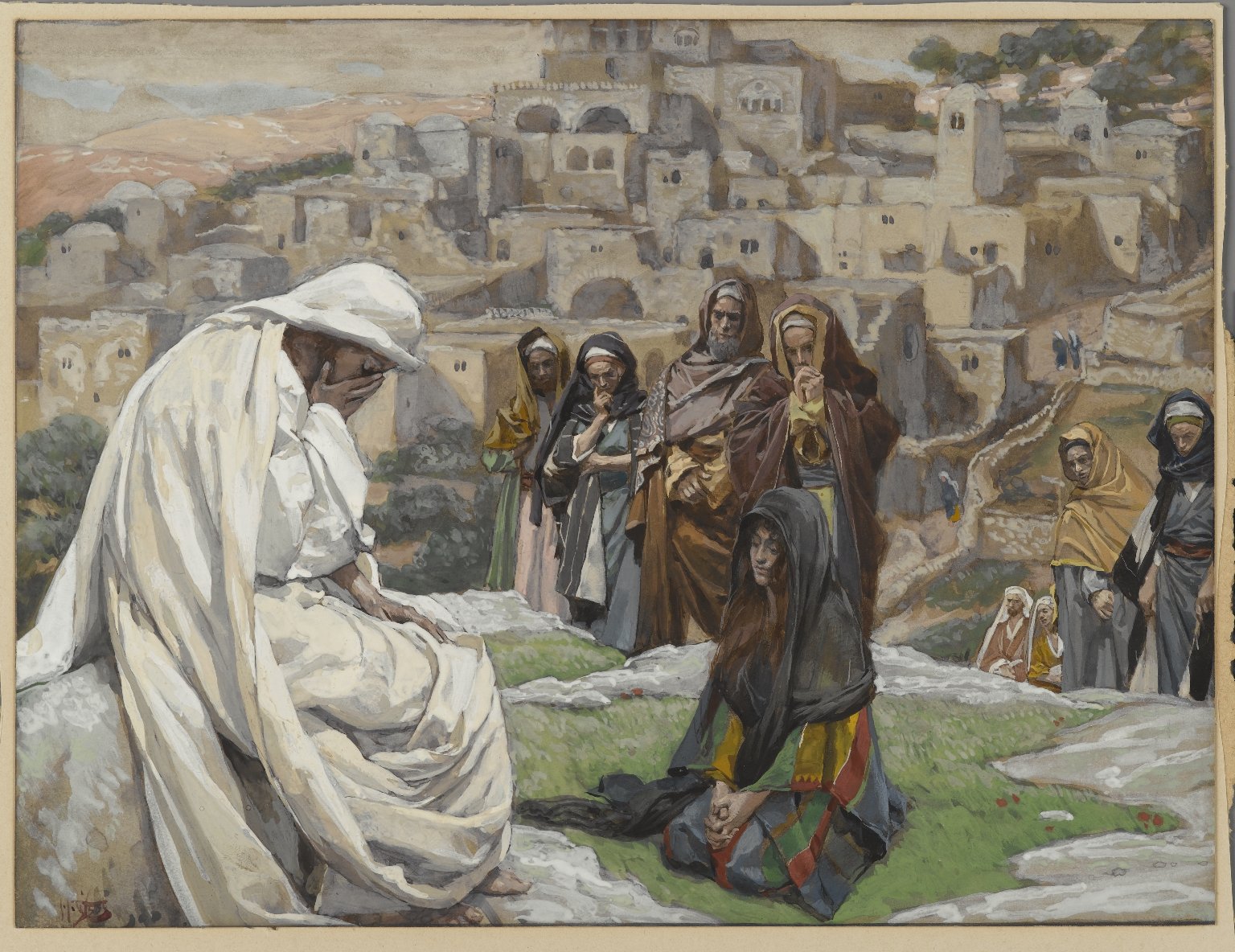
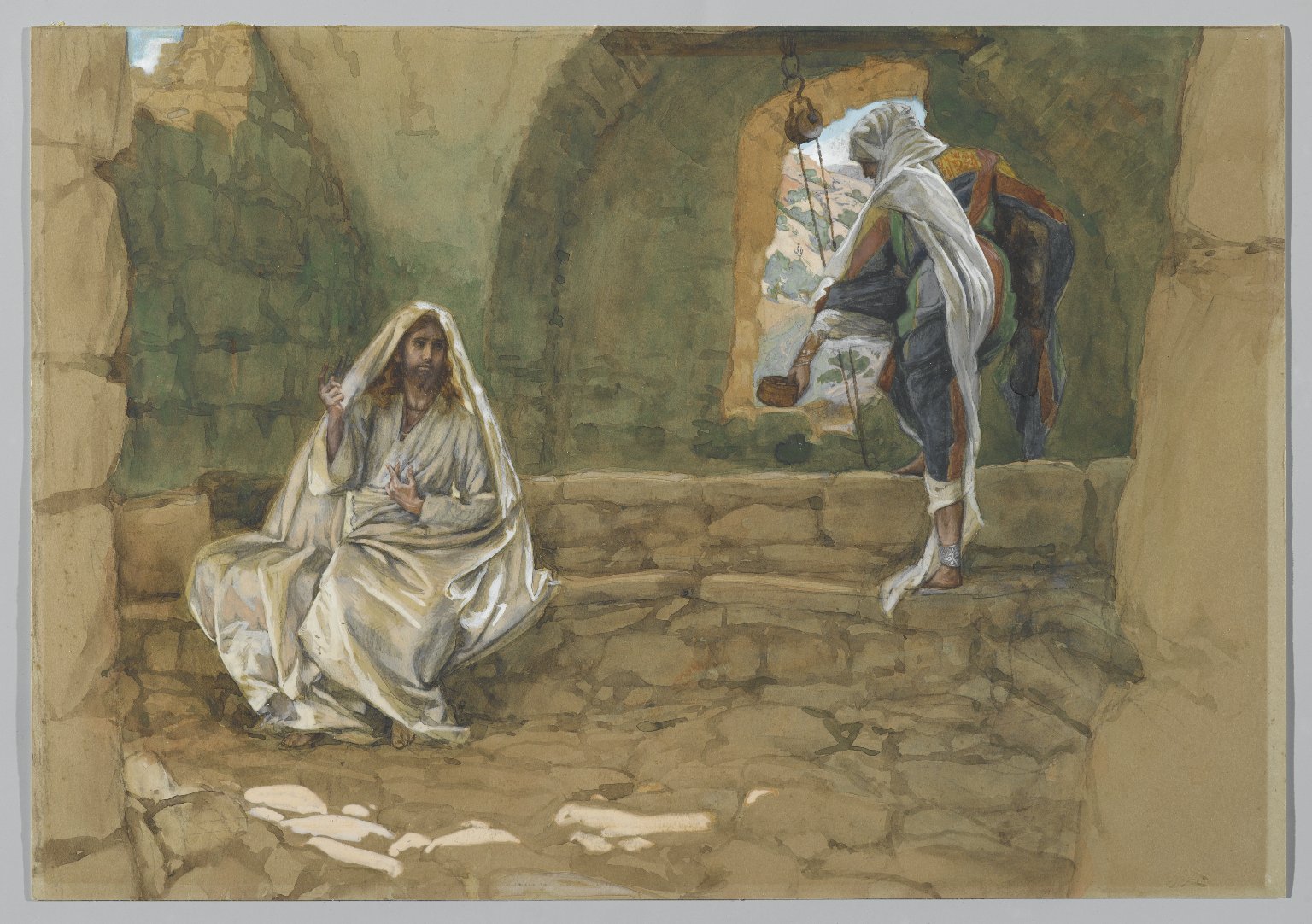
On another occasion, through his prayers Nicholas saved sailors who feared they would die in a storm. He was also responsible for saving the lives of three young soldiers from execution. In time the soldiers were portrayed as young boys, and so Nicholas became the patron saint of children (and sailors). The Saint was imprisoned and tortured under the Persecution of the Roman Emperor Diocletian, and his nose may have been broken as a result. Nicholas was present at the Council of Nicaea, the First Ecumenical Council, which produced a Creed similar to the one we will say in a few minutes time. His relics are now in Italy, split between Bari and Venice, and he is loved and honoured around the world, including those people who built this wonderful church.

Nicholas’ generosity towards the three young daughters associated him with the giving of gifts. From this we can see how the modern idea of Santa Claus came about. The Dutch took him to New Amsterdam, which became New York. America then began its fascination with him. St Nicholas was not just a generous person, he gave away everything he had, and embraced a life of poverty. He suffered for his Christian Faith, and is an example to us of what a Christian life looks like, filled with love, generosity, and care for others.

St Nicholas demonstrated care for the poor, the broken-hearted, and captives. These values are proclaimed in the first reading this morning from the prophecy of Isaiah, words which Jesus recites in the synagogue at Nazareth. St Nicholas made the words real by living them out in his life, demonstrating love and care for his brothers and sisters. His gentleness and generosity point us to Christ, and show us how to live our Christian Vocation.

The First Letter of Paul to Timothy points out the danger which wealth can bring, when it is not used for the sake of the Gospel. Nicholas, like St Antony of Egypt before him, heard Christ’s teaching to give away your possessions to the poor. Most of us will not follow their example, but we can consider how we use what we have, and ask ourselves the question, ‘Am I living generously?’ 

Jesus said,“Let the children come to me; do not hinder them, for to such belongs the kingdom of God. Truly, I say to you, whoever does not receive the kingdom of God like a child shall not enter it.” (Mk 10:14-15)

As the patron saint of Children it is clear why today’s Gospel passage was chosen to celebrate the feast of St Nicholas. While children are innocent and humble, the point our Lord is trying to make may refer to the fact that children are unselfconscious, receptive, and need to be cared for by others. This is how the Kingdom should be received. It is a gift of God. None of us can earn God’s love, it is unconditional, and offered freely to all. 

Jesus lays down His life for us, so we should do the same for each other. Thus, in society in general, loving service and self-sacrifice are the ways in which we should live. It is a generous form of life, because its model is Jesus, the most unselfish person ever, and was imitated by St Nicholas. Christ offered His life as a ransom on the Cross. We commemorate this in the Eucharist, where Christ continues to feed us His people with Himself, so that we might have life in Him. By being strengthened in this way St Nicholas was able to bear witness to Jesus as his Saviour, and his Lord, despite trials and persecution.

May we be aided by the prayers of St Nicholas and following his example be prepared to meet Our Lord. Jesus, who comes to us as a baby in Bethlehem and who will return as Our Judge. So let us live lives which proclaim Christ’s saving love, and follow the example of St Nicholas in honouring God the Father, God the Son, and God the Holy Spirit. To whom be ascribed all might, majesty, glory, dominion, and power, now and forever. Amen.

Icon of St Nicholas by Jaroslav Čermák,

Advent II

The book of the prophet Isaiah has sometimes been called the ‘Fifth Gospel’ because so many of Isaiah’s prophecies look forward to the Messiah and find their fulfilment in Jesus. We too are currently in a time of anticipation. Advent is when we prepare for Christ to come, both as a baby in Bethlehem, and as our saviour and our Judge. As the son of Jesse, and the son of David, Jesus is Israel’s true king, who rules over all.

‘There shall come forth a shoot from the stump of Jesse, and a branch from his roots shall bear fruit. And the Spirit of the Lord shall rest upon him, the Spirit of wisdom and understanding, the Spirit of counsel and might, the Spirit of knowledge and the fear of the Lord. And his delight shall be in the fear of the Lord.’ (Isa 11:1-3)

Isaiah has hope in the peace the Messiah will bring. Injustice and affliction, the fruit of sin is dealt with on the Cross, where Jesus ‘shall stand as a signal for the peoples’ (Isa 11:10). This is the great demonstration of God’s love to the world, love which heals and reconciles humanity. 

To prepare the way for the Messiah, Israel needed prophets like Isaiah and John the Baptist both to announce His coming and to get people ready. Being a prophet is difficult because they are often required to tell people home truths. Prophets point out the sorts of things which we would rather ignore, if left to our own devices. John’s message is simple, plain, and direct:

‘Repent, for the kingdom of heaven is at hand’ (Mt 3:2)

To repent is to express sincere regret about one’s wrongdoing. Literally the word used —‘metanoia’— means to ‘change your mind’. It is a proclamation rather like a road sign which reads: ‘You are going the wrong way!’ Repentance is recognising this and turning around. For two thousand years the Church has existed to continue John’s proclamation, and to say to the world: turn around, and follow Jesus! The season of Advent is penitential because it highlights this call to conversion and says to everyone, both inside and outside the Church, that our lives are supposed to be a perpetual turning back to Our Lord. We all need to be reminded of our shortcomings, and be encouraged to let God be at work in and through us.

John the Baptist’s blunt message struck a chord and sparked something of a revival in Israel. People took him seriously.

‘Then Jerusalem and all Judea and all the region about the Jordan were going out to him, and they were baptized by him in the River Jordan, confessing their sins.’ (Mt 3:5-6)

It is not surprising that in those times people came out into the desert to hear John. He was charismatic, and his message was a refreshing antidote to the Religious Establishment of his day. People come, confess their sins, and are baptised, they are washed clean, to serve God, and to love Him. They also come because in John the people of Israel see prophecy fulfilled, and a new Elijah is in their midst. One who points to the Messiah, and has done ever since he leapt in his mother Elizabeth’s womb at the Visitation. Before John was even born he proclaimed that Jesus was the Christ, the Messiah, the One who would save us from our sins.

We see this Messianic kingdom hoped for in the vision of Isaiah in this morning’s first reading. The branch which comes forth from the stem of Jesse is the Blessed Virgin Mary. Filled with God’s Holy Spirit, she conceived and bore Our Saviour, the true King of all that is, or has been, or will be. He is on the side of the poor and the meek, people who are left behind, and ignored because they are not rich or powerful. This is a radical concept, one which we still have some way to go in order to for it to be put into practice in the world around us. Isaiah’s vision of Messianic peace may appear impossible, but it signifies a world-changing peace, which alters how things are, and how we behave. For with and through God another way is possible. It is not simple, or easy, but it is possible, if we rely upon God to help us. As St Paul says to the Christians in Rome,

‘May the God of endurance and encouragement grant you to live in such harmony with one another, in accord with Christ Jesus, that together you may with one voice glorify the God and Father of our Lord Jesus Christ. Therefore welcome one another as Christ has welcomed you, for the glory of God.’ (Romans 15:5-7),

and a little later in the same passage:

‘May the God of hope fill you with all joy and peace in believing, so that by the power of the Holy Spirit you may abound in hope’ (Romans 15:13).

Hope can feel in pretty short supply when we look at the world around us, and if we look to humanity we will be disappointed. Our hope comes from God. Our hope is God, God with us, whose Birth we are preparing to celebrate at Christmas. In Advent we prepare for Christ to come as our judge. 

‘His winnowing fork is in his hand, and he will clear his threshing floor and gather his wheat into the barn, but the chaff he will burn with unquenchable fire.’ (Mt 3:12) 

Judgement is  real, and it should make us stop and think for a moment. Are we living the way God wants us to? If we are not then we need to repent, say sorry, and live the way God wants us to live. This is how we flourish as people. John the Baptist calls us to make a spiritual u-turn, to turn our life around, to turn away from what separates us from God, our sins. He calls us to the waters of baptism, so that we can be healed and restored by God, filled with his grace, and prepared to receive the Holy Spirit:

“I baptize you with water for repentance, but he who is coming after me is mightier than I, whose sandals I am not worthy to carry. He will baptize you with the Holy Spirit and fire” (Mt 3:11).

The problem with the Pharisees and Sadducees who come to John is that they do not show any repentance. They haven’t made the u-turn, and they don’t have the humility to recognise their sinfulness, and their need to be washed in the waters of baptism. They, therefore, do not have the right attitude to allow God to be at work in their lives.

As well as recognising Jesus as our Saviour, John the Baptist sees Jesus as Our Judge, he points to the second coming of the Lord when, as St John of the Cross puts it, ‘we will be judged by love alone’.  It is love that matters — in Christ we see what love means: it is costly, self-giving and profound. As we are filled with His Spirit, nourished by Word and Sacrament, we need to live out this love in our lives. This is how we prepare to meet Jesus as we prepare to celebrate His Birth and look forward to His Second Coming. So let us be prepared to live out God’s love in our lives. Let us turn away from everything which separates us from God and each other. Let us live out that costly, self-giving love in our lives, as this is what Christ wants us to do. It is through doing these things that the world around us can see what our faith means in practice, how it affects our lives, and why they should follow Him, and sing the praises of God the Father, God the Son, and God the Holy Spirit. To whom be ascribed all might, majesty, glory, dominion, and power, now and forever. Amen.

St John the Baptist and the Pharisees – James Tissot (Brooklyn Museum)

Advent Sunday

Today is Advent Sunday, the start of the season of Advent. This is a time of waiting, of expectation: for the coming of Jesus Christ, both as we prepare to celebrate His Birth at Christmas, and for the Second Coming of Christ as our Saviour and our Judge. The idea of Jesus’ return has not always been seen as something to look forward to. Judgement has been seen as condemnation, and fear of the coming judgement has been used to control people. Yet the Church does look forward to Our Lord’s Second Coming, as we look forward to our annual celebration of His First Coming, at Christmas.

In today’s Gospel Jesus is teaching His disciples about the end times. He draws a comparison between the Last Day and the Flood:

‘For as were the days of Noah, so will be the coming of the Son of Man. For as in those days before the flood they were eating and drinking, marrying and giving in marriage, until the day when Noah entered the ark, and they were unaware until the flood came and swept them all away, so will be the coming of the Son of Man.’ (Mt 24:37-39)

The point is that no-one knows when the Last Day is going to happen. People are carrying on with their lives as normal. It is an unexpected event. One of the reasons Noah was saved was that he was prepared. He had built an ark. Our ark is the Church, which we enter through Baptism. For us the waters bring life not death. We are prepared, and preparation is the key to Jesus’ message. Whenever the Lord comes, we have to be ready to meet Him. 

How do we prepare? By following the advice in the first reading from the prophet Isaiah:

‘O house of Jacob, come, let us walk in the light of the Lord.’ (Isa 2:5)

If we walk in the light of the Lord, then we are not walking in darkness. We live out our faith in our lives, and our moral characters are formed by our actions. We become what we do often.

About sixteen hundred years ago, one of Christianity’s great figures, St Augustine had been struggling towards the journey of faith and one day, as he sat crying under a fig tree, he kept hearing a child saying, ‘Pick up and read’ (Aug. Conf. 8.29) and he opened a Bible and read in the Letter to the Romans:

‘Not in revelling and drunkenness, not in debauchery and licentiousness, not in quarrelling and jealousy. But put on the Lord Jesus Christ, and make no provision for the flesh, to gratify its desires.’ (Rom 13:13-14)

Drunkenness, fornication, the sort of behaviour associated with the Christmas Office Party in particular, and the modern world in general, can be dismissed as ‘just a bit of fun’ or of ‘no consequence in the great scheme of things’. However, what we do affects our lives. The Christian Life is most definitely not a ‘fun-free zone’, but one which allows us to be fully alive, doing what we should be doing in the way we should be doing it. Today’s world is filled with examples of the behaviour which St Paul sees as problematic: people are quarrelsome and subject to baser appetites. One need only read a newspaper, look at the Internet, or turn on the television, to see a world which has got it wrong, which is not living decently. Our lives, our characters, are formed by what we think and do, by the choices we make. This is a cumulative process, where we build on the choices we have made in the past, so we need to start down the right path as soon as possible, or turn back if we have gone astray.

The first reading from the prophet Isaiah looks forward to a Messianic Age of peace:

‘and they shall beat their swords into ploughshares, and their spears into pruning-hooks; nation shall not lift up sword against nation, neither shall they learn war any more.’ (Isa 2:4)

Swords and spears will be turned into agricultural tools for ploughing fields and cultivating vines, for growing grain and grapes, to make bread and wine. These are the very foodstuffs our Lord takes at the Last Supper, when He institutes the Eucharist. This feast of the Kingdom is the fulfilment of Isaiah’s prophecy, and represents the Messianic Kingdom where love will triumph over violence.

At this time of year, as Christians we prepare for three comings: the first our annual commemoration of Jesus’ birth in Bethlehem, at Christmas, where the Word became flesh and dwelt among us. The second coming of Christ will be at the end of time, when He will be our Saviour and our Judge. The third coming we prepare for is even nearer. It happens day by day, and week by week, when Christ comes to us in the Eucharist, in His Body and Blood, under the outward forms of Bread and Wine. This is the Banquet of the Kingdom, anticipated by the ploughshares and pruning hooks of Isaiah, tools to help produce Bread and Wine. Isaiah’s prophecy looks forward to the peace of the Messiah and the banquet of Bread and Wine. These are the Food of the Kingdom, nourishment for our journey of faith, to give us strength and new life in Christ. Jesus comes to us in the Eucharist to give us strength and to transform us, into His likeness, to help us to live out our faith in the whole of our lives.

So let us prepare to meet Our Lord by living out our faith, nourished with Word and Sacrament. The time is short, the time is now, it really matters. We need to come to the Lord, to learn His ways and walk in His paths. As Christians we are called to live decently and vigilantly, preferring nothing to Christ, and inviting all the world to come to the fullness of life in Him. This is how we celebrate His coming at Christmas and as Our Saviour and Judge. By following Him, and being fed by Him, we are restored and healed by Him. And so, on this Advent Sunday we sing the praise of God the Father, God the Son, and God the Holy Spirit. To whom be ascribed all might, majesty, glory, dominion, and power, now and forever. Amen.

Christ the King

On November 23rd 1927 the last words uttered by the Mexican Jesuit priest Miguel Pro before he was murdered were, ‘¡Viva Christo Rey!’ ‘Long live Christ the King!’ ‘Byw fyddo’r Christ y Brenin!’. The Mexican regime of that time was cruel and went out of its way to persecute Christians, including Miguel Pro, a twentieth century Christian martyr who died confessing Christ’s sovereignty over all things. His words are powerful, and inspiring. When we acknowledge Christ as King we are saying that He is above all human power and authority, and we affirm that God is supreme. As Christians, we declare that our primary allegiance is to God alone, and not to the things of this world. To proclaim Our Lord as King of Heaven and Earth will always challenge and trouble those who wish to claim an authority and a power which is not their own. There are plenty of examples in the world around us of those who are unwilling to recognize a power greater than themselves. 

Christians profess the sovereignty of God primarily on the basis of the Crucifixion of Our Lord and Saviour Jesus Christ. We worship a Crucified God. This should strike us as something strange and disconcerting. At one level it doesn’t quite make sense, and yet it does. St Paul expresses the paradox at the heart of the Christian Faith in his First Letter to the Corinthians:

‘For God’s foolishness is wiser than human wisdom, and God’s weakness is stronger than human strength.’ (1Cor 1:25)

God is doing something amazing, which we cannot fully comprehend, or understand. This is because it is the mystery of God’s love. This is a love which we can never understand but it is something that we can experience.

Today’s Gospel is from St Luke’s account of the Crucifixion. It begins with Jesus being mocked by religious leaders: 

“He saved others; let him save himself, if he is the Christ of God, his Chosen One!” (Lk 23:35)

They demand action — that Jesus saves Himself — because they have completely misunderstand Jesus’ mission, which is not to save Himself, but to save us. They are joined by soldiers, who mock Christ saying:

“If you are the King of the Jews, save yourself!” (Lk 23:37)

In these words, power has been conflated with self-interest. Jesus, however, is not interested in saving Himself, but rather in saving us. He is the King of the Jews, born in Bethlehem of the line and lineage of David. And here Christ, in saving humanity, is doing what a proper King does, caring for His people, even at the cost of His own life. While the soldiers are mocking Jesus, they are actually proclaiming Him as a King. 

One of those men crucified with Jesus asks:

“Are you not the Christ? Save yourself and us!” (Lk 23:39)

This man has been condemned to death for acts of robbery and rebellion, and is only able to understand the Messiah in political terms: he is looking for a revolutionary leader, who can save him. This causes the other man being crucified to rebuke the first one, saying:

“Do you not fear God, since you are under the same sentence of condemnation? And we indeed justly, for we are receiving the due reward of our deeds; but this man has done nothing wrong.” (Lk 23:40-41)

This second man understands that Jesus is innocent. This leads to one of the most memorable interactions in Luke’s Gospel, a demonstration of faith followed by its reward.

And he said, “Jesus, remember me when you come into your kingdom.” And he said to him, “Truly, I say to you, today you will be with me in Paradise.” (Lk 23:42-43)

This man does not ask to be saved, he simply requests that Jesus remember him, when He comes into His Kingdom. His request is granted. The condemned man’s recognition of Jesus’ Kingship is rewarded with the promise of eternal life with God in Heaven. Here in two sentences we see salvation and redemption at work. Christ’s death saves people. That is what His kingship is all about: bringing healing and the forgiveness of sins to all who turn to Him in faith. 

We worship a Crucified God, one who suffers and dies for us, to offer us eternal life in Him. This is true kingship, shown in self-sacrificial love. Christ is the Good Shepherd, who lays down His life for His sheep. He wants to save others, because He is the Messiah, and He is God saving his people. The Hebrew for Jesus is Yeshua and means ‘God saves’. Here on the Cross Jesus fulfils His life’s work, this is who and what He is. God saves His people by dying for them. This is real kingship, not robes, or power, but love, dying the death of a common criminal. It doesn’t make sense, and it isn’t supposed to. God’s ways are not our ways, nor His thoughts our thoughts. We cannot save ourselves, only God can do that, in an act of generous love, an extravagant and exuberant gift that we can neither earn nor repay.

In the second reading from St Paul’s Letter to the Colossians, we hear both what God has done for us, and who Christ is. God has qualified us to share in the inheritance of the saints in light. We can go to Heaven because we have been delivered from darkness, into the kingdom of God’s beloved Son. In Christ we have redemption and forgiveness. Christ has paid the debt we owe; our sins are forgiven. We do not need to slaughter lambs and be sprinkled with their blood, because we have been sprinkled with the Blood of the Lamb of God in our Baptism. We are redeemed, and our transgressions are forgiven, because of what Christ does for us on the Cross. This is the heart of our faith: Jesus died for us, because He loves us. 

In Christ we see that God loves us. He created all that is, so all is subject to Him. He is the head of His Body, the Church, of which we are a part through our baptism, and our participation in the Eucharist. As the firstborn from the dead, Christ, in His Resurrection, shows us that death is not the end, that our lives will be changed not ended.

This is the God we worship, and whom we hail as our true King. The God of love and healing. Christ has conquered on the Cross; Christ reigns as King of the Universe; Christ reigns in our hearts, and in our lives. May we then sing the praises of God the Father, God the Son, and God the Holy Spirit. To whom be ascribed all might, majesty, glory, dominion, and power, now and forever. Amen.

Diego Velasquez – Christ Crucified (Museo del Prado, Madrid)