“Do not be anxious about anything, but in everything by prayer and supplication with thanksgiving let your requests be made known to God.”
“Peidiwch â phryderu am ddim, ond ym mhob peth gwneler eich deisyfiadau yn hysbys i Dduw trwy weddi ac ymbil, ynghyd â diolchgarwch” (Phil 4:6)
Have you ever visited a Vineyard? Many years ago I went to one in Bordeaux in France. It was fascinating, and the wine wasn’t bad either! There has been a lot of vineyards in our readings recently. Jesus has just told a parable about labourers in a vineyard, which we heard two weeks ago, and now, this morning, two of our readings are all about vineyards. They are important things: they grow grapes which make juice and wine, which people drink. But more than that, at a symbolic level, the vineyard stands for Israel, the land of God’s chosen people. The metaphor of the vineyard allows both Isaiah and Jesus to talk about the people of Israel and their relationship with God. Unfortunately, they do not have much to say that is good. Our readings are sad, difficult, and hard to hear. They tell us the truth about falling short of what God expects of us, His people, who have been made in His image and likeness.
In the first reading today, the prophet Isaiah sings a love-song for his beloved, that is God, who plants a vineyard on a hill, having prepared the soil and cleared away the stones. These actions are all signs of love and care. God defends the vineyard with a watchtower to give advanced notice of any attack. There is also a vat in which to make wine out of the grapes. However, the grapes that grow are wild. Wild grapes are weeds, which grow more vigorously, and their fruit is sour, not sweet. You cannot make good wine from sour grapes. The prophecy is urging the people to repent, to turn back to God and follow His ways.
The situation with the Phillipian Christians in our second reading is the complete opposite. Here people are living how God wants them to and they are flourishing. They do not need to be anxious, or to worry about anything, as they can ask God in prayer for their needs. The Philippians’ lives are characterised by peace which passeth all understanding. This is the same peace which I pray for in the blessing at the end of this morning’s service. This is the peace which we seek in our life together as Christians: it is how we are supposed to live.
The apostle then finishes this section of his letter with some encouragement:
Finally, brothers, whatever is true, whatever is honourable, whatever is just, whatever is pure, whatever is lovely, whatever is commendable, if there is any excellence, if there is anything worthy of praise, think about these things. What you have learned and received and heard and seen in me—practise these things, and the God of peace will be with you. (Philippians 4:8-9)
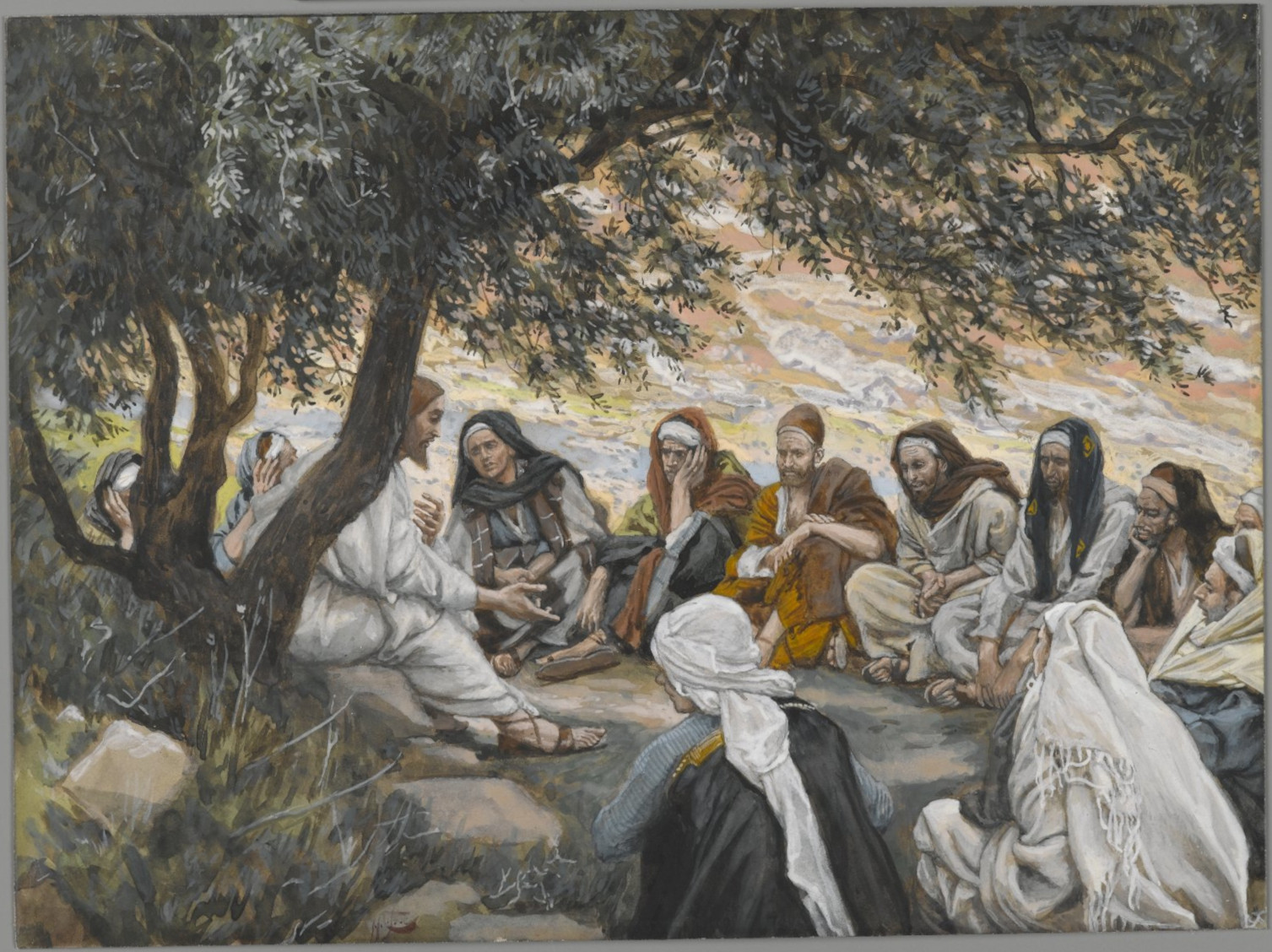
These are good words to live by. They show us how we can flourish, following the example set by St Paul. Indeed, that is how Christianity helps us to lead our lives: we are shown a good example, and we follow it. That is how the faith has been transmitted for two thousand years, and will continue to flourish, through the sharing of good examples.
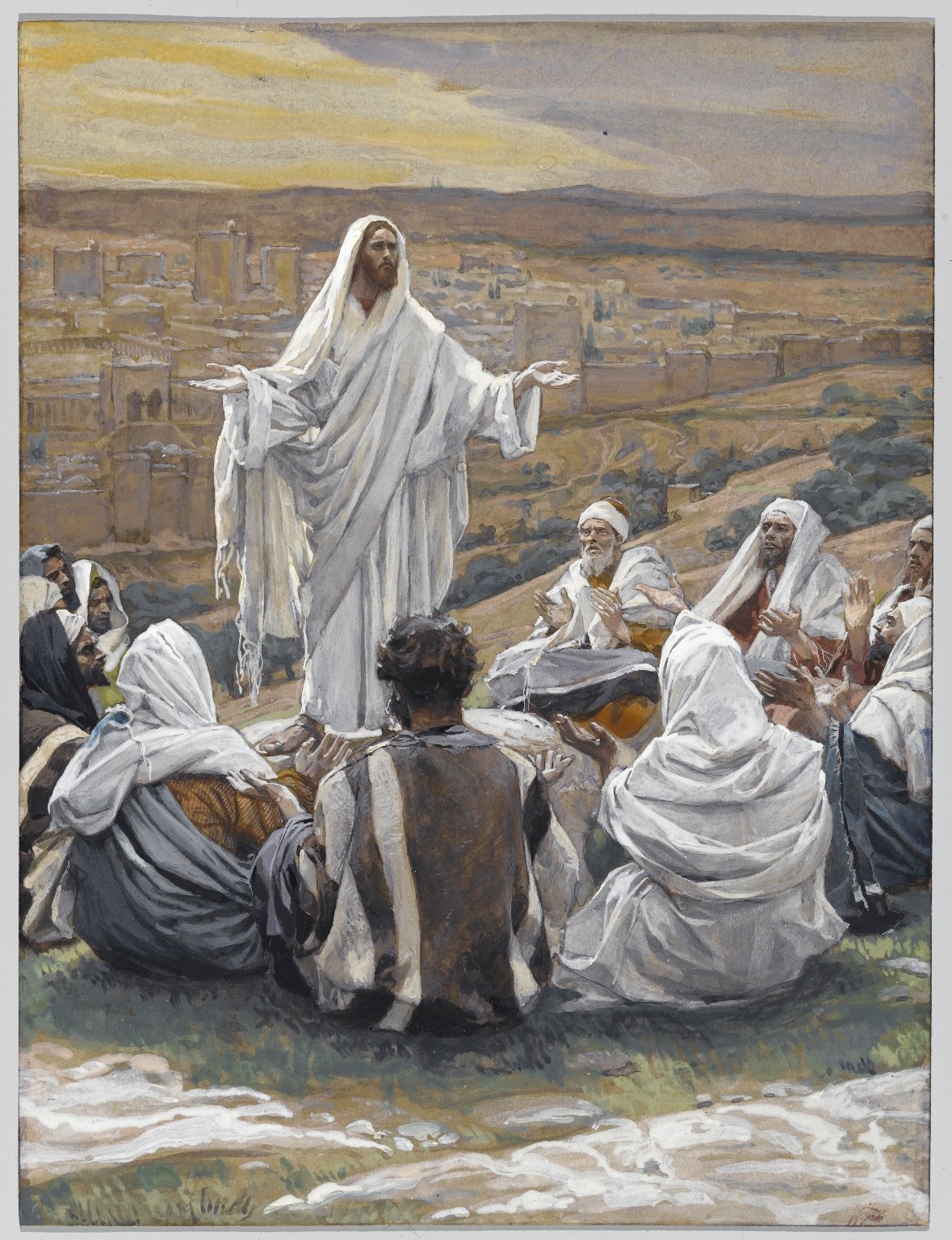
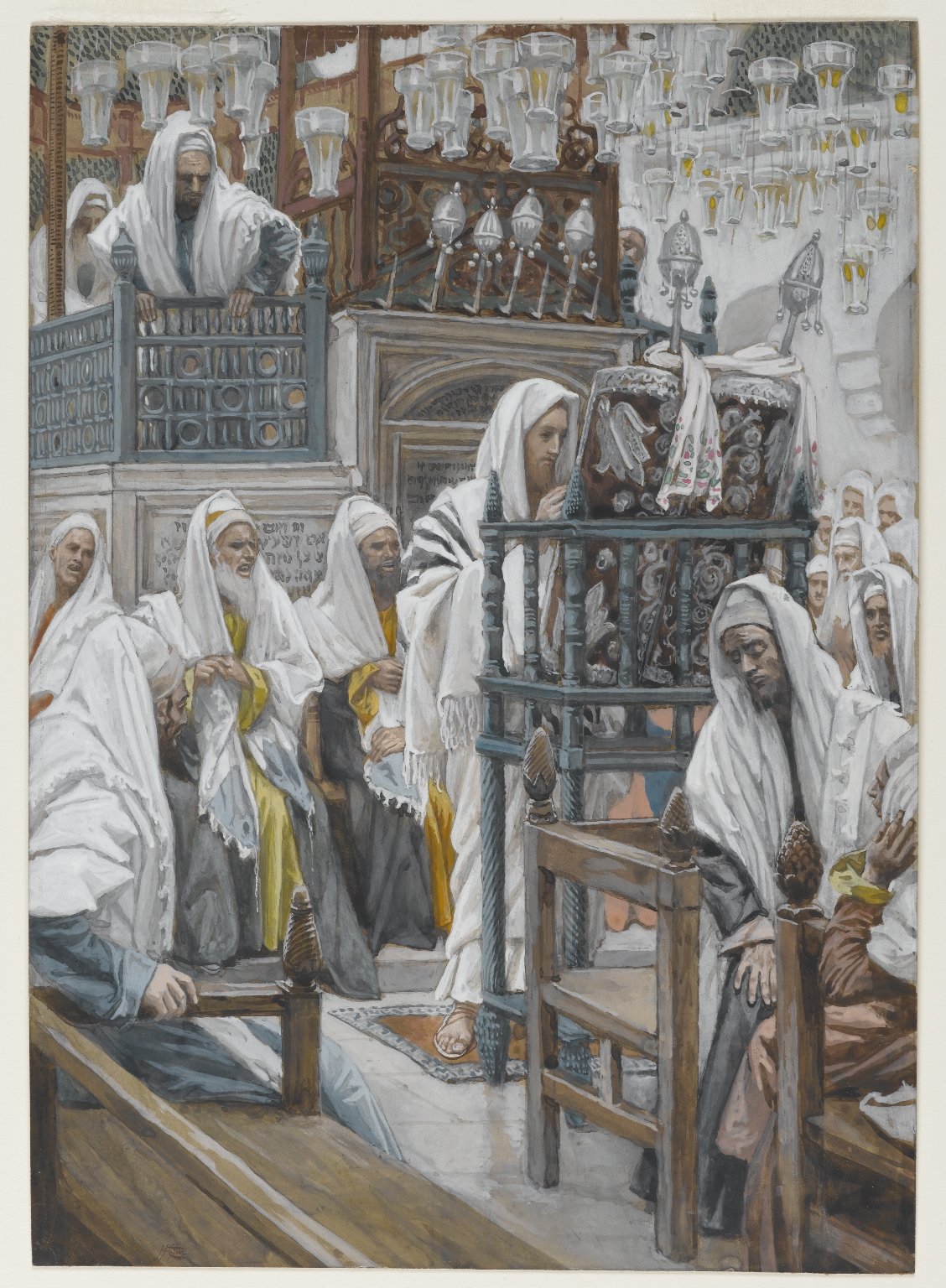
In this morning’s Gospel, Jesus continues to teach in the Temple, after His Triumphal entry on Palm Sunday. He has told the parable about labourers in a vineyard, and the parable of the two sons, and now He recited a parable about a vineyard and a son. Jesus sets the scene in a way which clearly refers to the prophecy of Isaiah which we have just heard. The chief priests and elders would have known the prophecy which Jesus was referring to. This parable has a number of servants being sent to collect the fruit:
And the tenants took his servants and beat one, killed another, and stoned another. Again he sent other servants, more than at first. And they did the same to them. (Mt 21:35-36)
This is a description of how Israel acts towards prophets, such as Isaiah. Despite telling the truth and telling the people God’s word, they are mistreated and killed. Again and again the prophets call God’s people to repentance, to turn back to the Lord, and they are ignored and mistreated. As a result, God sends His Son. As the parable continues:
Finally he sent his son to them, saying, ‘They will respect my son.’ But when the tenants saw the son, they said to themselves, ‘This is the heir. Come, let us kill him and have his inheritance.’ And they took him and threw him out of the vineyard and killed him. (Mt 21 37-39)
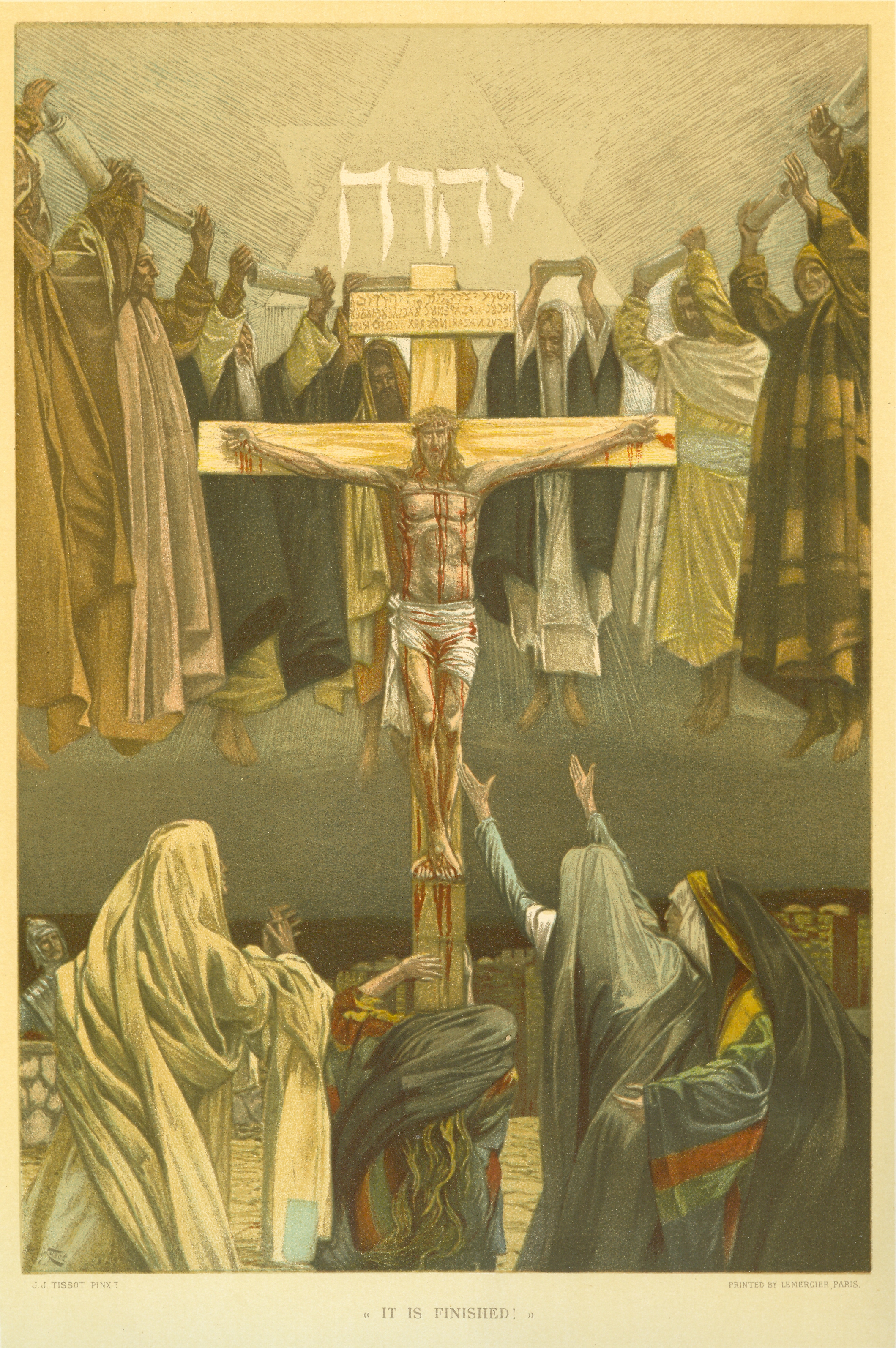
Here Jesus is prophesying His own death. Soon, despite having just been welcomed into Jerusalem as the Messiah, Jesus will see the crowds turn against Him. Encouraged by the chief priests and elders (who are listening to this parable) the people will call for Jesus’ Death.
At the conclusion of the parable, Jesus asks the religious authorities what God will do, and they answer Him:
When therefore the owner of the vineyard comes, what will he do to those tenants?” They said to him, “He will put those wretches to a miserable death and let out the vineyard to other tenants who will give him the fruits in their seasons.” (Mt 21:40-41)
Their answer is telling. The chief priests understand what is going on, and that their actions will have consequences.
Jesus uses the Psalms to reinforce His interpretation of Isaiah. He is letting His listeners know that He must be rejected, suffer, and die. Our Lord also makes clear that salvation is now not solely for Israel, but also for the Gentiles, and in fact for anyone who produces the fruit that God desires them to produce.
Despite being aware of what is going on, the religious authorities do nothing to avert the possible calamity. They are unwilling, or unable to stop it. That is a definition of tragedy. And yet, something wonderful is about to happen:
“For God so loved the world, that he gave his only Son, that whoever believes in him should not perish but have eternal life. For God did not send his Son into the world to condemn the world, but in order that the world might be saved through him.” (Jn 3:16-17)
Despite Jesus’ rejection and death, it is God’s love and forgiveness that are being proclaimed to the world. The Kingdom of God is a place of reconciliation, where wounds are healed, and lives are restored. Love is the core of our faith: God’s love for us, and our love for each other and for God. This is how God transforms the world: through LOVE. God so loved the world, a world which He created, and restored, and redeemed. We, here, today are living proof of that love, and we are given the task of tending the Lord’s vineyard. To do so, we need to work together, nourished by Word and Sacrament, and live lives of love and forgiveness. We are called to proclaim God’s love to the world, and to invite others to enter the joy of the Lord so that we all may sing the praise of God the Father, God the Son, and God the Holy Spirit, Duw Dad, Duw y Mab, a Duw yr Ysbryd Glân. To whom be ascribed all glory, dominion, and power, now and forever. Amen.