When we all were children, we learned through imitation, through copying others. Human beings learn to speak, and walk, and everything else, by seeing and hearing others. To imitate the actions of others is an important mechanism for social learning — that is, for acquiring new knowledge. So St Paul writes at the end of this morning’s second reading:
‘Be imitators of me, as I am of Christ’
‘Byddwch ddilynwyr i mi, megis yr wyf finnau i Grist.’ (1Cor 11:1)
Paul encourages the Corinthian church to imitate him, as he imitates Christ. He wants them to do so in order that they all might live out the love of God in their lives, for the glory of God, and to proclaim the truth of the Gospel to the world. This too is our calling as Christians. We are charged to follow the same example , live out the same faith, and proclaim the same truth in our daily lives.
Today’s readings focus on leprosy, an infection of the skin which usually placed the sufferer on the margins of society. The position adopted in Leviticus is clear:
‘He is unclean. He shall live alone. His dwelling shall be outside the camp.’
‘aflan yw efe: triged ei hunan; bydded ei drigfa allan o’r gwersyll.’ (Lev 13:46)
This verse is used by the author of the Letter to the Hebrews to describe Christ’s Crucifixion and death:
‘So Jesus also suffered outside the gate in order to sanctify the people through his own blood. Therefore let us go to him outside the camp and bear the reproach he endured. For here we have no lasting city, but we seek the city that is to come.’
‘Oherwydd paham Iesu hefyd, fel y sancteiddiai’r bobl trwy ei waed ei hun, a ddioddefodd y tu allan i’r porth. Am hynny awn ato ef o’r tu allan i’r gwersyll, gan ddwyn ei waradwydd ef. Canys nid oes i ni yma ddinas barhaus, eithr un i ddyfod yr ŷm ni yn ei disgwyl.’ (Heb 13:12-14)
The writer of the Letter to the Hebrews encourages us to follow Christ’s example and to become outcasts — unclean in terms of Jewish ritual purity — to share in Christ’s suffering and to be united with Him. Something previously seen as being shameful has now become glorious. This is a demonstration of God’s love and healing, where once there was condemnation there is now reconciliation.
Our gospel reading this morning continues the accounts of miraculous healings by Jesus, which we have encountered over the past few weeks. This morning Our Lord is met by a man who is suffering from leprosy, and who begs to be healed. Given the purity code in Leviticus, we can understand why the leper longs to be healed, and restored to his place in the community. The man suffering with leprosy kneels before Jesus, performing an act of submission, putting himself entirely at Christ’s mercy, and says:
“If you will, you can make me clean.”
‘Os mynni, ti a elli fy nglanhau’ (Mk 1:40)
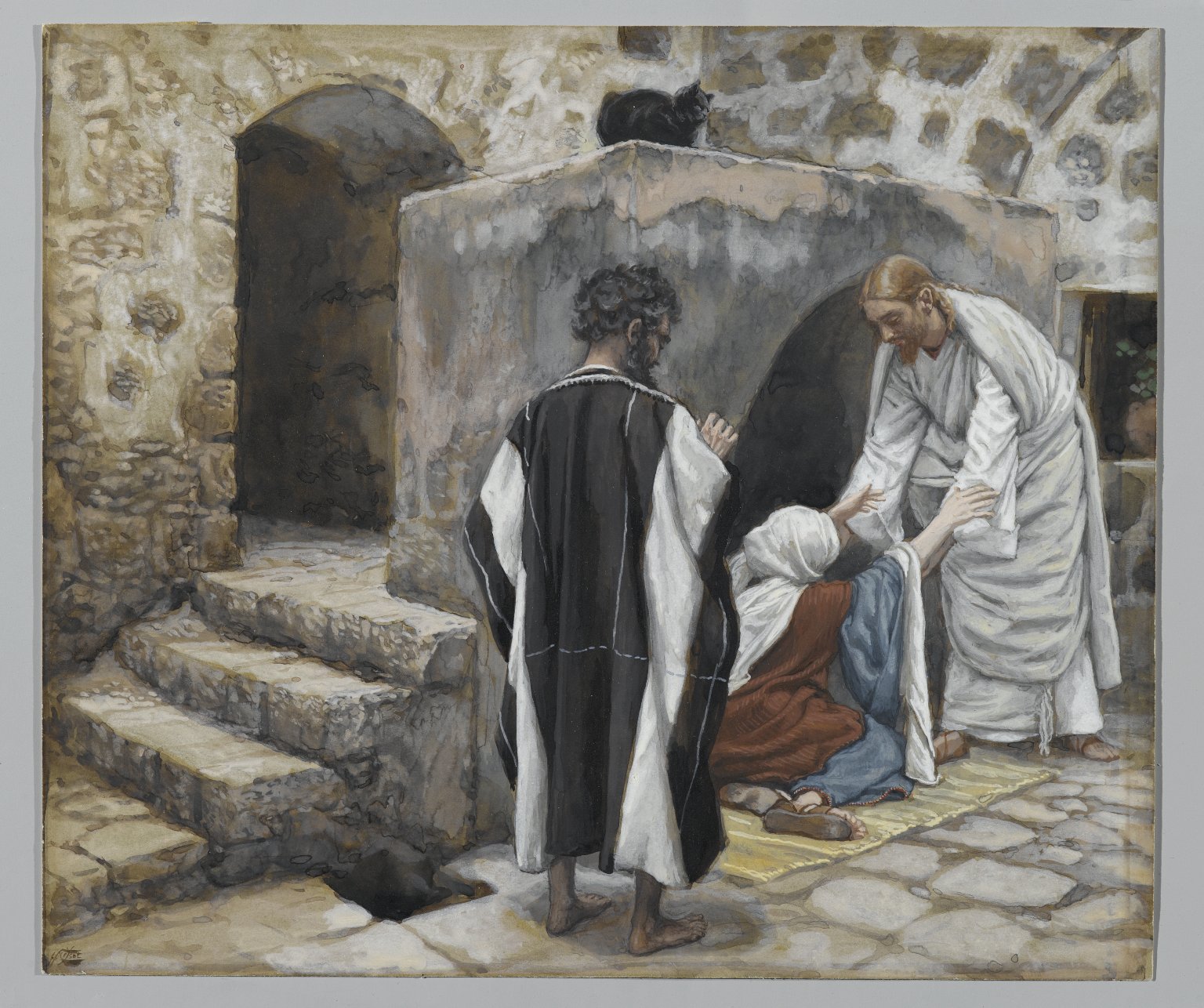
Jesus is filled with emotion and touches him. Rather than simply saying, ‘Be healed’, or ‘Be clean’, Our Lord stretches out His hand and touches the man with leprosy. In Jewish ritual terms, by doing this Christ makes Himself unclean. He breaks the rules. and does what no-one would do. Instead of casting the man out, or ignoring him, Jesus touches the man and heals him. Here we see God’s healing love in action. The proclamation of the Kingdom of God is the proclamation of love and healing, to restore humanity. Having broken the rules, Jesus says to the healed leper:
“See that you say nothing to anyone, but go, show yourself to the priest and offer for your cleansing what Moses commanded, for a proof to them.”
‘Gwêl na ddywedych ddim wrth neb: eithr dos ymaith, dangos dy hun i’r offeiriad, ac offryma dros dy lanhad y pethau a orchmynnodd Moses, er tystiolaeth iddynt hwy.’ (Mk 1:44)
Jesus tells the man to comply with the Law, to show himself to a priest. This is so that the former leper can undergo a ritual bath, and be restored to his rightful place in society. This also acts as proof to the religious authorities that a miraculous healing has taken place. God is announcing His Kingdom and the fulfilment of messianic prophecy. God is healing His people.
Jesus wants the man not only to be restored, but also to enjoy life in all its fullness. This is why the religious authorities need to be aware of the fact that a man who was deemed unclean can now be pronounced clean. However, the man does not listen, and instead proclaims his miraculous healing to all and sundry. His actions, while understandable, are problematic. The man does not listen to what Jesus says, he does not obey Our Lord’s instructions. Jesus is not simply a charismatic healer seeking to garner popular support through miracles. The miracles are a sign of the Kingdom of God becoming a reality. The man’s exuberance does, however, cause problems:
‘so that Jesus could no longer openly enter a town, but was out in desolate places, and people were coming to him from every quarter’
‘fel na allai’r Iesu fyned mwy yn amlwg i’r ddinas; eithr yr oedd efe allan mewn lleoedd anghyfannedd: ac o bob parth y daethant ato ef.’ (Mk 1:45)
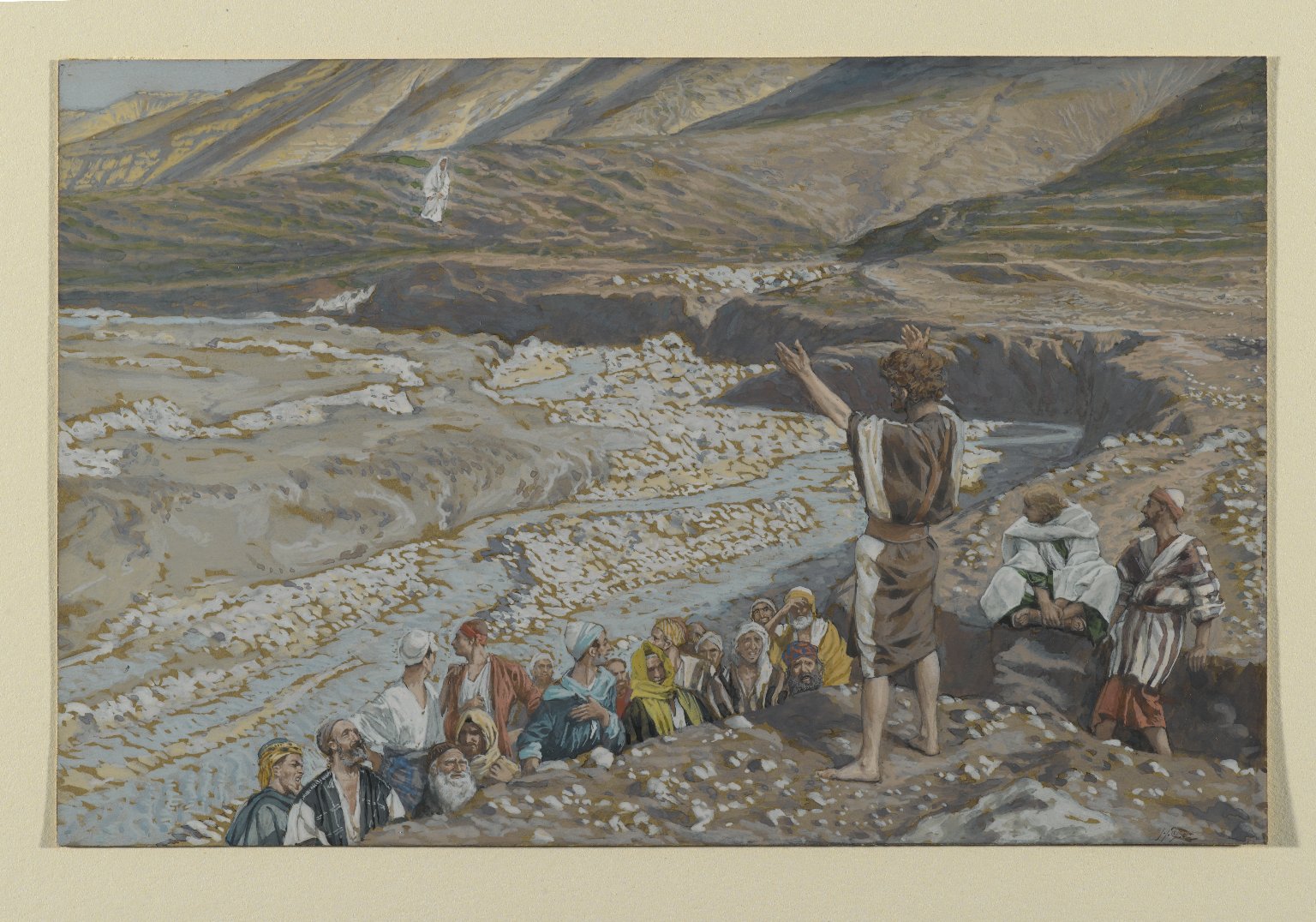
Jesus has become a celebrity, and people longing for healing flock to Him. This speaks of the deep and widespread need for healing in Galilee. As it was there then, so it is here, now. We long for God to heal us, to take away our fears, and fill us with His love. At a practical level this is bound to be exhausting for Our Saviour, so He goes out to desolate deserted places, in other words, the desert. Jesus retreats to the wilderness to be alone with God, to rest and to pray. This reminds us that in the Church’s calendar we are about to enter the season of Lent. The season of prayer and penitence which leads to Our Lord’s Passion. By going to the Cross Jesus makes His dwelling ‘outside the camp’. He becomes unclean to make humanity clean through the shedding of His Blood. During Lent we imitate Christ’s example, and go with Him to the desert and the Cross.
Christians prepare for Easter by going out into the desert with Jesus to be close to God, through prayer, fasting, and deeds of charity. We follow Jesus’ example, we imitate Him, so that we may draw closer to Him and experience His healing love. By journeying with Christ, we prepare to enter into the mystery of His Passion, Death, and Resurrection, so that we may rise with Him to new life. Let us then imitate Our Lord, by proclaiming to a world, longing for healing and wholeness, the love of God the Father, God the Son, and God the Holy Spirit. To whom be ascribed all glory, dominion, and power, now and forever. Amen.