Homily for the Fourteenth Sunday of Year C


One of the penalties of being religious is to be mocked and ridiculed. If Our Lord submitted Himself to the ribald humour of a degenerate Tetrarch, we may be sure that we, His followers, will not escape. The more Divine a religion is, the more the world will ridicule you, for the spirit of the world is the enemy of Christ
Fulton Sheen, Characters of the Passion, 1946: 56
The people of Israel in this morning’s first reading have known much pain and desolation, exile, misery, the desecration and destruction of the Temple. Here they have a word of comfort, of healing, hope for the future. ‘As one whom his mother comforts, so I will comfort you’ (66:13). It’s intimate, and comforting, in that it speaks of God who shows love and care for us, and who promises a future of peace. It reminds us that true peace and healing are the gift of God, and a sign of his love. It is a love shown in its fullness in the person and life of Jesus Christ; it is His suffering and death which bring us peace beyond our understanding.
            In this morning’s Gospel we see something of the early spread of the Gospel, people are sent out by Jesus to prepare the way for Him, they are to be prophets, heralds, announcing the nearness of the Kingdom of God. They are sent out ‘as lambs in the midst of wolves’ it sounds risky and vulnerable, it’s not comfortable, it doesn’t make sense, but that’s the point: only then can we be like the Lamb of God, and proclaim his message of healing and reconciliation. If we’re concerned about the shortage of labourers in the Lord’s vineyard, then we need to pray, to ask God to provide, to trust and rely upon Him, and in His strength alone. Only then are we looking at things the right way: if we trust ourselves, our strength and abilities, we will fail. If we trust in God, all things are possible. It’s a hard lesson, and in two thousand years we haven’t managed to learn it.
            The heralds of the kingdom travel light, unlike most of us: they are unencumbered by stuff, and reliant upon others to provide what they do not have. They are dependent upon the charity of others – they rely upon God and his people. They live out a faith which stresses our interconnectedness, our reliance upon those other than ourselves. It’s quite strange for us to hear, we’re used to being told that it’s all about me, what I am, what I can do, what I have. These are the values and ideas of the world; those of the kingdom are entirely different. The interesting thing is that the seventy two listen to what Jesus tells them, they obey Him, and when they return they have done what He asked them to do. Their obedience bears fruit amidst the disobedience of the world, of selfishness and sin. Here then is the pattern for ourlives, Christ calls usto follow in the footsteps of the seventy two, to fashion our lives after their example, so that we too might be heralds of the Kingdom. So that we can say with the Apostle Paul in his Letter to the Galatians: ‘But far be it from me to boast except in the cross of our Lord Jesus Christ, by which the world has been crucified to me, and I to the world’ (Gal 6:14).
            Such is the power of the Cross: this instrument of humiliation and torture displays God’s glory and saving love to the world. That is why we are here today to see the continuation of that sacrifice enacted in front of our very eyes, to eat Christ’s Body and drink His Blood, so that our human nature may be transformed by His Grace, fed by God, with God, strengthened to live out our faith in our lives, to walk in the light of this faith, as heralds of the Kingdom, proclaiming the Gospel of repentance, of healing and reconciliation, brought about by Christ on the Cross, so that the world may share in the new life of Easter, filled with the Holy Spirit.
It is not an easy task, or indeed a pleasant one, the world will mock us, as it mocked Him. It will tell us that we are irrelevant and turn its back on us, just us it ignored Him. Let us trust in Him, proclaiming His peace and mercy, so that the world may believe and be transformed and give glory to God the Father, God the Son, and God the Holy Spirit, to whom be ascribed as is most right and just all might, majesty, glory, dominion, and power, now and forever.
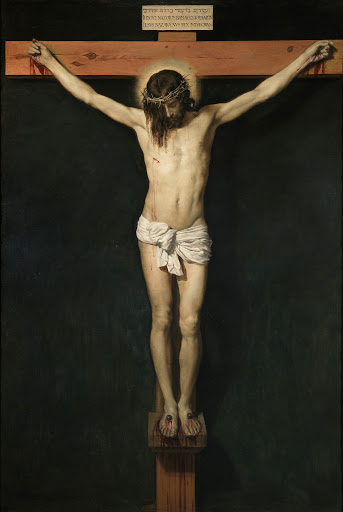
A Thought for the Day from Pope Francis (Lumen Fidei 60)

Let us turn in prayer to Mary, Mother of the Church and Mother of our faith.
Mother, help our faith!
Open our ears to hear God’s word and to recognize his voice and call.
Awaken in us a desire to follow in his footsteps, to go forth from our own land and to receive his promise.
Help us to be touched by his love, that we may touch him in faith.
Help us to entrust ourselves fully to him and to believe in his love, especially at times of trial beneath the shadow of the cross, when our faith is called to mature.
Sow in our faith the joy of the Risen One. Remind us that those who believe are never alone. Teach us to see all things with the eyes of Jesus, that he may be light for our path. And may this light of faith always increase in us, until the dawn of that undying day which is Christ himself, your Son, our Lord!

SS Peter and Paul, Apostles


We cannot choose our family, we may not like them, we may find them difficult to get along with, it is not always easy to get along with them, but we do so because of the ties of blood and kinship, because blood is thicker than water. The Church is a family rather than a society of friends, we are related to each other through our baptism: we have been clothed with Christ and share in his death and new life. Living in the Church means being part of a family where our relationship with each other flows from our relationship with Jesus Christ.
            In this morning’s Gospel Jesus asks his disciples ‘Who do people say that the Son of Man is?’ and he asks us ‘Who do you say that I am?’  It is a question which we have to answer. The world around us can provide us with any number of answers – there are those who deny that Jesus even existed, that he’s made up, a figment of an over-active religious imagination, there are those who say that he was a human being, a prophet, a charismatic healer and rabbi, misunderstood, who died, but whose resurrection is doubted. This will not do: either Jesus is exactly what he says he was, or he is a liar and a fool. He is the Christ, the Messiah, the anointed one of God, who brings freedom and liberation, he is God, the God who created the world and who redeems it, by giving himself for us.
            Can we give this answer? If we do that’s not the end of the story, but only the beginning. At the end of John’s Gospel, Our Lord asks Peter, ‘Do you love me?’ he asks it three times, and each time he replies, ‘Feed my sheep’. Peter replies, ‘Lord you know everything, you know that I love you’ Our Lord knows that Peter loves him because he shows this love by feeding the sheep given to him to tend. We show our love for God by living out our faith in our lives, by bearing witness to what we believe in our hearts in what we say, and think, and do in our lives. We bear witness, we are not afraid to confess our faith in a world which demands that we compromise it, that we sacrifice to its idols.
            In the Acts of the Apostles we see King Herod persecuting certain members of the Church. We too have to expect persecution in our lives as it is what the powers of this world want to conform us to their will. They can try, but they will never win: Christ’s victory over sin, the world, and the devil, wrought upon the altar of the Cross, where he as priest and victim offers himself for us, is complete and total, its effects extend through time and space. We who are called to follow him are called to take up our own Cross daily and to bear witness to our faith and risk all for love of him who died for us. This is what being baptised means – it isn’t something ‘nice’ we do to children as the excuse for a party or substitute for a wedding – it is sharing in Christ’s death and new life, it is taking a stand against those who wish us to worship false gods: money, power, sex, the European Court of Human Rights, the High Court of Parliament, pleasure, influence.
            This is why St Peter is a firm foundation upon which to build the Church: he is not a man of power or intellect, but he trusts in Christ, he is rooted in him, he recognises and proclaims his divinity to the world, just as St Paul trusts and proclaims Christ to the world, as he says in his Letter to the Galatians, ‘I have been crucified with Christ. It is no longer I who live, but Christ who lives in me. And the life I now live in the flesh I live by faith in the Son of God, who loved me and gave himself for me.’ (Gal 2:20) As Christians, Christ is our identity: we share his death and new life and proclaim his saving truth to the world.
            Our faith is precious, just like the Word of God and the Sacraments of the Church – they are precious and they nourish our body and soul, we celebrate them as God’s transforming presence among us – a gift which transforms us by God’s grace, his free gift, so that we can become like him and have eternal life in him. It is the transforming power of our faith which frightens the world: for two thousand years it has transformed the lives of countless billions of people just like you and me, like nothing else before or since. It cannot be silenced, political regimes cannot eradicate it, other faiths cannot stamp it out, thanks to the courage of those who bear witness to their faith, who live it out it in their lives. We are here today to celebrate God’s saving love, a saving love which transformed the lives of men like Peter and Paul, which transforms bread and wine into the very body and blood of Christ, so that we may feed on Him, and be transformed by Him, given a foretaste of heaven, strengthened for our earthly pilgrimage and the journey of faith, bearing witness to Him who loves us.
            There is something quite subversive about this: it stands in opposition to the power of this world, it is something which the world cannot contain or control, because it is of the Holy Spirit. So let us come to be fed by Him who died for love us, fed with Him, with His Body and Blood, to be strengthened by Him to live out our faith in our lives, to confess that Jesus Christ is God to the glory of the Father, to proclaim him to the world, so that the world too may believe and that all humanity may repent and believe in the God who loves them and saves them. Let us transform the world so that it may serve God, and Him alone, and resound with the praise of God the Father, God the Son, and God the Holy Spirit, to whom be ascribed as is most right and just all might, majesty, glory, dominion, and power, now and forever.
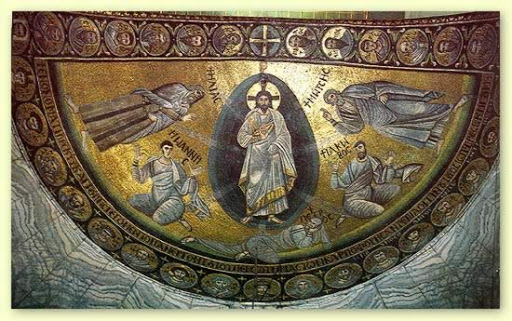
A thought for the day from Mother Mary Clare

You are dedicated to love and reconciliation. Your life is dedicated to that end, and you must learn to stand at the Cross. It is a long learning, a long road, but a sure road, if it is up the hill to Calvary.

It is a road on which you, being stripped of self, may mediate to the world the dawning knowledge of the glory that descends.

Fulton Sheen on Mary

Let those who think that the Church pays too much attention to Mary give heed to the fact that Our Blessed Lord Himself gave ten times as much of His life to her as He gave to the Apostles

The World’s First Love, 1956: 88
… she is what God wanted us all to be, she speaks of herself as the Eternal blueprint in the Mind of God, the one whom God loved before she was a creature. She is even pictured as being with Him not only at creation but before creation. She existed in the Divine Mind as an Eternal Thought before there were any mothers. She is the Mother of mothers she is the world’s first love.
The World’s First Love, 1956: 11

A Thought for the Day from Fulton J. Sheen

The Mass causes the historically past events of His life to emerge here and now in their eternal reality. Here there is no subjective recollection, but the re-emerging of Christ’s Death and Resurrection into our contemporaneous situation. The Lord opens the bridge between the eternal and the temporal; that which was past is re-summoned for active operation here and now.

Those Mysterious Priests, 1974: 148

A Thought for the Day from Fulton Sheen

“When John the Baptist saw Our Blessed Lord approaching, he said: “I must decrease; He must increase”. Herein lies the secret of mental and spiritual stability. It is only by making ourselves little that we become great; it is only by creating an emptiness that Heaven has a place to fill.”

Homily for the 12th Sunday of Year C: Zech 12:10–11, Gal 3:26–29, LK 9:18–24


Christianity does not begin by reforming society; it begins by regenerating men.
Fulton Sheen Missions and the World Crisis(1963) 62
To be in the Church is surely the most wonderful of all things, it may not really feel like it, in fact it may well feel the complete opposite, but that may in fact be the point: the Church is not simply made up of people whom I like or whose company I keep, but rather of all the baptized. Through our baptism we enter the Church, we put on Christ, we share in his death and resurrection, we are regenerate: born again of water and the Holy Spirit to share new life in Him and to live out that new life and love in the World.
        This is what Christ gives us freely, as a gift through his offering of himself upon the Cross. Thus, the prophet Zephaniah in this morning’s first reading can say that ‘I will pour out a spirit of grace and a plea for mercy when they look on me, on him whom they have pierced’ it anticipates the saving work of Christ, it is a prophesy which finds its fulfilment in Him. That is why a few verses later at the start of Chapter 13 he says ‘On that day there shall be a fountain opened for the house of David and the inhabitants of Jerusalem to cleanse them from sin and uncleanness’. Our baptism and the death of Christ on the Cross is that fountain which washes us from our sins and uncleanness, which heals and restores us to live Christ’s risen life.
        This is why St Paul in his letter to the Galatians can extol the wonderful nature of baptism – we are all equal in our common baptism, there are no distinctions whatsoever between those who are saved in Christ, who have put on Christ. There is then an equality in baptism and salvation, which makes Christianity radically different, we are the new Israel, the body of Christ, and the community of the baptized is open to all those who believe and trust in Jesus Christ. In becoming his we are called to be like him and to share in both his joy and sufferings, so that we find our true identity and true meaning in our lives when we put on him.
        It is not then for nothing that Our Lord asks ‘But who do you say that I am?’ It is a question which he asks his disciples and which he also asks each and every one of us, ‘Who do we say that he is?’ Some long-haired proto-hippie communist? A prophet? A misunderstood charismatic healer? Or God? The Creator and Sustainer of all, begotten of his Father before all worlds; con–substantial, co–eternal, and the only name under heaven or earth by which we may be saved, the gate, the sheep–fold, the Good Shepherd, Our Great High Priest and willing victim, pierced for our transgressions, wounded for our iniquities, to cleanse us and all humanity of its sin and uncleanness, to heal and restore us, so that we may share his risen life, and have eternal life in Him.
        Our response to this has to be to take up our Cross and follow him – we have to be ready to be crucified, to suffer and die just like He did, and to live in a world which sees us and our faith as of no relevance or importance whatsoever, where we are to be pitied and blamed by ‘enlightened’ secularists and atheists who with a patronising sneer despise us and all for which we stand. Their attitude is not different from those Roman magistrates who condemned our forebears for refusing to worship a human being, the emperor, and saving that honour for God, and God alone.
        As Christians we honour and worship the God who loves us, who gave himself for us, gladly and willingly, to heal and restore our human nature, so that we might be born again not of the flesh but by water and the Spirit, so that we and all the world might be transformed and have the fullness of life in him.
        Since we are all one in Christ Jesus let us follow him, let us live lives where we carry our Cross each and every day and love him and serve him, in that knowledge that whatever happens there is nothing which can separate us from the love of God in Christ Jesus. Our lives may not be easy, but whatever we face good or ill we do so in the knowledge that we are loved by God, and that in living out our faith in Him in the world, His grace is at work in us, transforming us through the sacrament of his Body and Blood which we have come here to receive, to be strengthened for our journey of faith, proclaiming Christ’s truth and saving love to the world, and following him, by taking up our cross, and losing our lives for his sake, for what indeed would it profit someone to gain the whole world but lose his own soul? Power, wealth, possessions, position, honour, all the things of this world are empty and without meaning or worth compared with Christ.
        Let us follow him, and deepen our trust and faith in Him, who is the Way, the Truth, and the Life, and pray that his grace may be at work in us So that we may believe and be transformed, and share our faith with others that they too may believe and be transformed and give glory to God the Father, God the Son, and God the Holy Spirit, to whom be ascribed as is most right and just all might, majesty, glory, dominion, and power, now and forever.
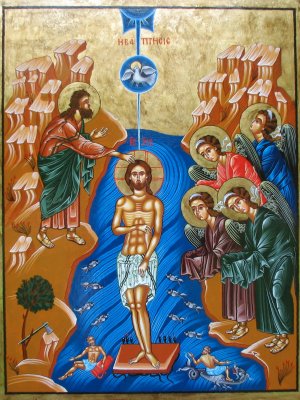
Sermon for Evensong Trinity III

“Why are you so afraid? Have you still no faith?”  Our Lord asks this question to the disciples and he asks it to us – to challenge us to live out our faith amidst the storms of this life. This year the Third Sunday after Trinity also falls on the Feast of the Translation of St Richard of Chichester, Bishop and champion of the church against the state. I like many people came to know him through the words of his prayer, most of which was recited by him upon his deathbed: Thanks be to thee my Lord Jesus Christ for all the benefits Thou hast given me, For all the pains and insults Thou hast borne for me. 
Richard had a difficult and eventful life, trying to reform the life and practices of the clergy, and defending the church from interference by the state – some things it would seem in this country never change! In the face of a secular power who wished to tell the Church what to do, Richard said No. He was a man of great learning and sanctity, a great friend to the poor who lived out his charity in his life, but above all else he was a man of principle who resisted the encroachment of secular power into matters which belong to the Church. Oh that we had his like amongst our bishops nowadays! Someone to tell the lower House of Parliament to mind its own business and not meddle in matters which do not concern it, that the Church cannot be bullied into accepting the will of such a godless brood of vipers: corrupt, amoral, and enslaved to a godless ideology – seeking to conform the Church to the world and to make up a perversion of the Gospel after their own tastes.  And may God have mercy on their souls.
The only way to resist is by being both polite and firm, but most of all by practising that charity which lies at the heart of the Gospel of Our Lord and Saviour Jesus Christ – in our care for the poor and the downtrodden, in our living out of our faith. If we follow the example of St Richard, and refuse to compromise the Gospel and live out our faith we can truly said to be following Christ, who came to call the world to repentance, to turn away from selfishness and sin.
We cannot let the light of our faith be hidden under a bushel, it has to shine as a light to the world, dispelling the darkness of sin and sloth, or that polite indifference so inimical to the zeal of the gospel. Only through this can the Church grow to be like the mustard tree so that all may be safe in its embrace, freed from sin, and rejoicing in the new life of Christ. It’s not easy, but that’s the point, when was anything worthwhile easy to achieve? Let us remember that we have that greatest of treasures, the pearl of great price which is faith in Christ, so let us share it, unafraid of the storms of this world since we trust in Him, who has overcome this world, sin and death, for our sake. Let us trust him, and love him, and each other, so that the world may believe and give glory to God the Father, God the Son, and God the Holy Ghost, to whom be ascribed as is most right and just all might, majesty, glory, dominion, and power, now, and forever.

Pentecost (Yr C)

About fifty days ago around the time that the Jews celebrate the Passover from slavery in Egypt to freedom, we celebrate Easter – Our Saviour Jesus Christ’s rising from the dead. Now as they celebrate the giving of the Law to Moses on Mt Sinai, we celebrate the gift of the Holy Spirit. The disciples have witnessed the Resurrection, they have seen Our Lord ascend into Heaven, and now He sends His Spirit on them, so that they may be filled with it, strengthened by it, strengthened to proclaim the Good News of Jesus Christ and the Salvation of mankind.
            It is easy to marvel at the thought of the apostles speaking in more languages than the Eurovision Song Contest, but it also marks the transition of the Apostles from men who were afraid, who hid in the Upper Room, to those who spread the Gospel. We do not however simply celebrate the events of the past, but rather the reality of the present. The Holy Spirit is God’s gift to the Church, which we receive in the Sacraments of Confirmation and Holy Order – a gift to strengthen and empower God’s people, the New Israel, the Spirit of life, which raised Jesus from the dead, which gives life to his Church.
            In this morning’s Gospel Jesus says to his disciples, which includes you and me by the way, ‘If you love me you will keep my commandments’.  We will love God and our neighbour and live lives like Jesus. It sounds simple, but in practice it isn’t. We need to love Jesus and keep his word so He and the Father will make their home with us. In St Paul’s Letter to the Romans we see what life in the Spirit is like. It is a turning away from the ways of the world and the flesh – not despising it, since Our Lord and Saviour Jesus Christ came in the flesh in the Incarnation, it was in the flesh that Our Lord ascended into heaven taking our flesh into the life of the Godhead, so that where he has gone we may also go. We are to sit lightly to the world and its ways, and through submitting to God to find perfect freedom in him. In the service of the Triune God we can be truly free, free to live for him and to proclaim his truth to the world. If we love God this is what we are called to be, how we are called to live. Only in the Spirit can we enter fully into the divine life of love, and live out this love in the world. In the power of this love we can begin to understand the mystery of Our Lord’s Incarnation, his life, death, and resurrection, and we can let these mysteries shape our lives as Christians.
            God will make his home with us in his word – Holy Scripture and the sacraments of his Church – outward signs of the inward grace which he lavishes on us in the power of his Spirit. That is why we are here today – to be fed with the Body and Blood of Christ, to see the re-presentation of the sacrifice of Calvary, to stand by the Cross so that we may be washed in the blood and water which flows from his side. In this we see God’s love for us, and we are strengthened to live the life of the Spirit – we can remain close to the God who loves us and saves us. We can be taught by his Spirit to remain in the faith which comes to us from the Apostles who first received the Spirit on this day. Let us live strengthened by Spirit, nourished by word and sacrament, in holiness and joy, proclaiming the truth and love of God, so that the world may believe and give glory to of God the Father, God the Son, and God the Holy Spirit, to whom be ascribed as is most right and just all might, majesty, glory, dominion, and power, now and forever.

The Ascension of the Lord Mt 28:16-20

We have come here today to celebrate Our Lord’s Ascension into heaven. The world around us may well find the idea quaint or laughable – or at least physically impossible. But it is no less hard to believe than Our Lord becoming incarnate by the power of the Holy Spirit in the womb of the Blessed Virgin Mary, or his rising from the dead at Easter. The world, with the greatest confidence, will tell us that what we are celebrating are myths and fairy stories, but they fail to get the point of what’s really going on.
          Our Lord ascends, body and soul into heaven, to the closer presence of God the Father, and to prepare for the sending of the Holy Spirit on his disciples at Pentecost. He who shares our humanity takes it into heaven, into the very life of the Godhead; so that where he is we may be also. We have seen the promise of new life in Easter, a new life which is in the closer presence of God, which we celebrate today. We can see where it leads – what started at the Incarnation finds its goal and truest meaning in the unity of the human and the divine.
But rather than seeing this as an end it is surely far better to see in it a beginning – a beginning of the Church as we know it – a church which goes and makes disciples of all nations, baptizing them in the Father and of the Son and of the Holy Spirit, teaching them to observe all that Our Lord commanded us. This is exactly where we have been for nearly two thousand years. Inspired by the Holy Spirit they did what their Lord commanded them to do and that is why we are here today celebrating this fact.
But like them we too are called to follow Our Lord’s commands and to share his good news with the world so that it may believe. We are called to live lives where our faith is enfleshed in us – it is not abstract and private, but concrete and public. The Atheist who finds our beliefs laughable now joins forces with an Enlightenment Rationalist who wishes faith to be a private matter rather than a public one. This will not do: Our Lord did not say ‘Don’t do this if it’s inconvenient’ or ‘There’s no need to make a fuss in public about me’. He speaks as one given authority, ‘all authority in heaven and on earth’, so we can gladly place ourselves under His authority, to do his will.
He makes us a promise: ‘Behold, I am with you always, to the end of the age.’ He is with us by sending His Spirit on the Church at Pentecost and ever since. He is with us in his Word, Holy Scripture and in the Sacrament of His Body and Blood. It is through this (and the other Sacraments of the Church) that God’s grace can perfect our human nature – so that we can prepare to share the divine life of love in Heaven. Where our Lord goes we can hope to follow, through his sacrifice of Himself upon the Cross, a sacrifice made present here and on the altars of churches all throughout the world, to strengthen us, so that we may be close to him, sharing in the divine life of love poured out on us.
We can hope to follow Him, and to spend eternity contemplating the Beatific Vision, caught up in that love which is the Divine Nature, sharing in the praise of all creation of the God who creates, who redeems, and who sustains all. We can have this hope because Christ has gone before us, he has prepared the way for humanity to follow him and share in the divine life of love.
Let us prepare for this by living the life of faith, strengthened by Him, proclaiming his truth, praying for the gift of His Spirit at Pentecost, that the Church may be strengthened to proclaim His saving truth and the baptism of repentance, so that we and all the world may sing the praise of God the Father, God the Son, and God the Holy Spirit, to whom be ascribed as is most right and just all might, majesty, glory, dominion, and power, now and forever.

Homily for the Sixth Sunday of Easter: Jn 14:23-29


God does not love us because we are lovely or loveable; His love exists not on account of our character, but on account of His. Our highest experience is responsive not initiative. And it is only because we are loved by Him that we are loveable.
Fulton Sheen Rejoice, 1984, 9
God loves us; we can say this with the utmost confidence because of the life, death, and resurrection of Jesus Christ. It is what we celebrate at Easter. We show our love for God by keeping his word, by loving each other as he has loved us. We are called to the same sacrificial, self-giving love which Our Lord shows us. It’s a big ask. It should make us stop in our tracks and realise the enormity of the task and our utter reliance upon God’s grace. We show this love by keeping God’s word, by doing what Jesus tells us to do and not simply going along with the ways of the world.
            Our Lord promises his disciples that the Father will send the Holy Spirit in Jesus’ name to teach us all things and to bring to our remembrance all that he said to us. The Holy Spirit speaks through the Church so that we can profess our faith in the co-eternal and consubstantial Trinity. His gift to us is His peace – not as in the absence of war or violence, but something deeper and more profound. The peace that Jesus promises is that which characterises the life of the Godhead: a peace which passes all human understanding.
            We can have peace through our relationship with the Trinity, the source of our peace, and joy, and love. Grounded in this relationship we need not be afraid or troubled – we are free to live lives which proclaim God’s love and victory so that the world may believe. Through God loving us, we can truly love him and each other. We experience this most clearly at the Eucharist when God feeds us with His Body and Blood, which he as both priest and victim offers to God on the Altar of the Cross. That self same sacrifice which heals the world through the pouring out of God’s love feeds us here and now. We are fed so that we may be nourished and share in the divine life. We receive the free gift of God’s grace so that it may perfect our human nature, so that we may go where Our Lord is going and share in the joy, and love, and peace of the Triune God.
            We should rejoice in the coming of the Spirit at Pentecost after Our Lord has ascended, as in this we see the birth and spread of the Church – it’s why we are here, because people filled with the love of God and His Holy Spirit have brought us into His loving embrace. Loved by him, we are to share that love with others, so that the world may believe and share in the source of all love, and peace, and joy. It’s not somebody else’s responsibility but ours as the baptised people of God to follow in the footsteps of the apostles and share what we have received so that we and all the world may sing the praise of God the Father, God the Son, and God the Holy Spirit, to whom be ascribed as is most right and just all might, majesty, glory, dominion, and power, now and forever.

Homily for S. George’s Day – Jn 15:18-21


Today we celebrate the Patron Saint of this land, George. It should have nothing to do with flags, or nationalism, or dragons. George was a soldier, but one who fought for the army of the Lord, who obeyed not the rulers of the world but God. In his life and his death he bore witness to the saving death and resurrection of Jesus Christ, and valued heavenly things above those of the earth.
            We celebrate S. George because he bore witness to his faith during the persecution of the Church by the Roman emperor, Diocletian. Above all else and regardless of the cost he put his trust in the love of God shown to the world in Christ Jesus, and we should do the same. We should do the same because then we are truly following Christ – we are living out our faith in our lives so that the world may believe. The world will not like this, it will prefer us to submit to its ways, to acquiesce, to sell the Gospel short for the sake of a quiet and an easy life.
            We see this in today’s Gospel: Our Lord tells us that the world will hate us because it has hated him first. The world hates, whereas Christians love – we love each other, we love our enemies, but above all else we love Christ and through him God the Father. We love the God who for love of us and all creation opened his arms on the Cross to embrace it with his love. The world’s reaction is to reject the God who created it, to reject his love and to hate all that he is. Thus while we are in the world we cannot be ofthe world – we cannot let who and what we are and what we do come from hatred, but rather from love alone.
            We may face persecution for our faith, we may be mocked or dismissed as irrelevant, outdated or insignificant, we may even lose our lives. But whatever happens we cannot do anything other than be filled with the joy of the Resurrection, the joy of him who overcomes the world, who saves it. We are servants of our heavenly master – we are obedient to him, and to him above all else. Like S. George we are obedient to the one who loves us, so that we may proclaim his saving truth to the world. So we can be like those in the vision of S. John who ‘have conquered by the blood of the Lamb and the word of their testimony, for they loved not their lives even unto death’ (Rev 12:11). We can prefer nothing to Christ, and in this we will follow the example of S. George, his life, and his death. The world will hate us for this, dismissing us as zealots, extremists, or religious fanatics; it may even try to ignore us. But through living lives of faith and trust in God and showing that faith and trust in our lives, in loving service of him who died for us, we bear witness to the truth which sets us free. It is a freedom the world cannot understand – it dislikes it and cannot control it – it shows the tyranny of the world for what it is.
            So let us celebrate the glory of bearing witness to Christ in all things, so that the world may believe in the God who loves them and saves them – Father, Son, and Holy Spirit, to whom be ascribed as is most right, and just, all might, majesty, glory, dominion, and power, now and forever.

Sermon for Evensong of the Second Sunday after Easter: “Did I not tell you that if you believed you would see the glory of God?”


Death is an affirmation of the purpose of life in an otherwise meaningless existence. The world could carry on its Godless plan if there were no death. What death is to an individual, that catastrophe is to a civilisation – the end of its wickedness. This is a source of anguish to the modern mind, for not only must human beings die, but the world must die. Death is a negative testimony to God’s power in a meaningless world, for by it God brings meaningless existence to nought. Because God exists, evil cannot carry on its wickedness indefinitely. If there were no catastrophe, such as the Apocalypse reveals, at the end of the world, the universe would then be the triumph of chaos….
            Death proves also that life has meaning, because it reveals that the virtues and goodness practised within time do not find their completion except in eternity.
Fulton J. Sheen The Power of Love
It is always important to remember that even though Lazarus was raised from the dead he would still die. He was raised from the dead so that in him God might be glorified. As someone who believed that Jesus was the Christ, the Son of God, he like countless billions through the centuries could have the hope of eternal life in Christ. That is why Our Lord can say ‘I am the resurrection and the life. Whoever believes in me, though he die, yet shall he live, and everyone who lives and believes in me shall never die.’ We can know and trust that death is not the end but rather a beginning, we feel grief at the loss of someone whom we know and love, but have hope that it is not the end of the story.
            The raising of Lazarus from the dead points to Jesus’ resurrection. It shows us that God’s power is beyond our understanding, and the events leading up to Our Lord’s Passion, Death and Resurrection are a means for God to be glorified. In all of these we see the Love of God poured out on the world in and through Jesus, true God and true man. Evil has not had the last world; fear and hatred are conquered by love, and that victory is final. This is the source of our joy – this is what we celebrate for 5o days, a week of weeks, a celebration which defines the nature of the church: we are an Easter people and Alleluia is our song. We rejoice that through our baptism we too share in Christ’s death and new life. We have the hope of heaven, where we may experience the fullness of love in God’s presence.
We have a foretaste of it here on earth – we are nourished by Word and Sacrament – given food for the journey of faith so that we may be prepared for what lies ahead. We have the Sacraments so that God may pour out his grace upon us, a free and unmerited gift, shared so that his love may abound in our lives. We have the Church and its teaching so that we may truly flourish and live the lives God intends us to, loving and supporting each other – living out our faith in our lives, sharing our love and joy with others, living out the forgiveness and reconciliation which we have received and sharing it with ours, helping in God’s work of healing and reconciling the world. It’s truly wonderful, gifts beyond our comprehension, which we do not deserve, but which we are given so that we may have life in all its abundance in Him. Our God is not an angry old man in the sky, but one who washes the feet of sinners and invites them to the banquet of His Kingdom, forever, having picked up the tab on Calvary.
So let us rejoice that we have been called to so great a feast and let us look forward to that time when we and all creation will sing the praise of God the Father, God the Son, and God the Holy Spirit, to whom be ascribed as it most right and just, all might, majesty, glory, dominion, and power, now and forever.

Homily for the Third Sunday of Easter (Yr C) ‘Feed my Sheep’


In this morning’s first reading Saint Peter and the apostles are told not to preach in the name of Jesus. Naturally, it is impossible for them to do this; they have to tell the world about him and his resurrection. They do this so that the gospel may be proclaimed: the gospel of repentance and forgiveness of sins through him. To be a Christian is to turn away from the ways of sin, the ways of the world – we are obedient to God, we hear what he is said in Christ and we obey him. The church then must always be on its guard lest it ceases to be obedient to God and turns instead to the ways of the world, the ways of humanity. As St Paul says in his Letter to the Romans ‘be not conformed to this world’. It is a difficult thing to do, it is hard, it takes strength of character and confidence, and it will not be popular. But just as the apostles rejoiced that they were counted worthy to suffer dishonour for the name, and did not cease teaching and preaching Jesus Christ, so the church is always called to do the same: to risk persecution, to speak the uncomfortable truth which the world does not want to hear.
          In this morning’s gospel the risen Lord gives an invitation to his disciples: ‘come and have breakfast’ he feeds his disciples before asking Peter if he loves him and commanding him to feed his lambs. He asks him the same questions three times, something which clearly looks back to Peter’s denial on the night of his arrest. Peter is upset: it’s his conscience at work reminding him of his failure. But Jesus does not condemn him, he simply reminds him so that he may be encouraged in his task: to feedChrist’s sheep, to be a shepherd, a good Shepherd, and to lay down his life for his sheep after the example of his Lord and Master. This is how Peter is to fulfil his command ’Follow me’.
          Peter is fed by the Lord before he is called to go and feed others, and to care for them. We too have come here today to be fed by the Lord, to be fed with the Lord, with his body and blood, under the outward forms of bread and wine, to share in his divine life, so that we may become what he is, and have a foretaste of heaven. We are fed so that we may go out and feed others, so that we may follow the example of the apostles and not cease teaching and preaching Jesus Christ. When we do this we will give honour and worship to God no different from the heavenly worship we have seen described in this morning’s second reading. This is the heavenly glory of which we have a foretaste here on Earth. We are to bear witness to our faith in the world so that it may believe. We are called to be witnesses regardless of the cost. We may not face persecution in this country; we are more likely to be faced with indifference, a coldness of heart, which denies the fact that what we are and what we say is important or has value. Yet we are to live lives which proclaim the fact that our life and death have meaning and value through Jesus Christ, who loves us, who died for us, and rose again so that we might have eternal life in him. It is a gift so precious that we have to share it, we cannot keep it for ourselves. In sharing it, it becomes a greater and more wonderful gift. In sharing it we are preparing for that moment seen by St John when all of creation will sing the praise of God, filled with his love, healed and restored by him.
          We are preparing for that moment here and now preparing to be fed by him, to be fed with him, looking forward to that time when we and all creation will sing the praise of God the Father, God the Son, and God the Holy Spirit, to whom be ascribed as it most right and just, all might, majesty, glory, dominion, and power, now and forever.

Sermon for Evensong of the First Sunday after Easter: Isaiah 52:13–53:12; Luke 23:13–35


Then they told what had happened on the road, and how he was known to them in the breaking of the bread
The Disciples on the Road to Emmaus are astounded when the man to whom they are talking does not know what has been going on: ‘Are you the only visitor to Jerusalem who does not know the things that have happened there in these days?’ He asks them so that they may tell him. They ‘hoped that he was the one to redeem Israel’, they have been told of the Empty Tomb, but do not yet believe. They need Jesus to explain the Scriptures to them in order to show them that what happened had been foretold in the Law and the Prophets.
        In this evening’s first lesson from the Prophet Isaiah we have the greatest of the prophesies of Our Lord’s Passion and Death. It is read on Good Friday because it shows us how what happened was clearly foretold. In Acts 8, when the apostle Philip meets the Ethiopian eunuch, he is reading this passage. When he is asked if he understands what he is reading he replies ‘How can I, unless someone guides me?’ Philip shows him how verses 7 & 8 of Isaiah 53 point to Jesus, the Lamb of God, who takes away the sins of the world,
The Ethiopian needs Philip, the disciples need Jesus, and we need the Church to show us how scripture is to be read: it’s meaning is not necessarily plain and while anyone could read Scripture in any way in which they chose, the Church has never said that all interpretations are ok, or that any one is as good as another. Instead, the proper interpretation of Scripture is rightly the teaching office of the Church, through the Apostolic Tradition: to unfold the mystery of Christ, to proclaim Him, and to save souls.
The Church reads the Old Testament christologically, because it points to Christ, it finds its fulfillment and its fullest and truest meaning in him, who is the Way and the Truth. As Our Lord says, ‘Was it not necessary that the Christ should suffer these things and enter into his glory?’ In other words through Our Lord’s suffering, and death, and resurrection we behold God’s glory, the glory of the divine life of love, poured out on the world to heal it and to save it. We see both what God is and how he loves us, to the extent of giving his only Son to die for us, to heal the wound of sin, to restore our humanity, and so that we may share eternal life with him.
As a foretaste of this heavenly joy he takes bread and blesses it and gives it to them. Christ, who as both priest and victim offered himself upon the altar of the Cross, as a willing, spotless pure and sinless victim, now feeds his people with himself so that they may share his risen life – so that they may be given a foretaste of the heavenly glory and the divine life of love. That is why we day by day and week by week we too come to be fed by him, so that we too may share, having first heard the Scriptures explained to us.
We see here in this evening’s second lesson how and why the Church looks and feels like it does, why it understands Scripture in the way that it does, how errors may come about, and how the Church guards against these by deciding what is authentic in terms of Scripture and Tradition. Almost two thousand years after these events took place there is something fresh and current about what we have heard read to us this evening, it doesn’t feel odd, or strange, or backward or outdated, but simply part of how the Church is. It is good that after two thousand years the message has not changed; it shows us that it is authentic: that it is of God, and not of the world.
So let us be like the disciples at Emmaus with warmed hearts, fed by our Lord with word and sacrament, sharing his Easter Joy and his victory over sin and the world and sharing his peace and joy with the world, so that it may believe and give praise to God the Father, God the Son and God the Holy Ghost, to whom be ascribed as is most right and just, all might, majesty, glory, dominion, and power, now and forever.

The First Sunday after Easter (BCP) John 20:19–23

The Disciples are afraid, tempers are still running high – they fear a backlash from the people who put Jesus to death, they have been told by Peter that the tomb was empty; Mary of Magdala has seen Jesus. They are confused – not knowing what to believe, or whom to trust. Into the midst of their fear and confusion comes Jesus, saying ‘Peace be unto you’. The first gift of the Risen Lord to his disciples is peace. He who was prophesied to be the Prince of Peace, who has brought about peace through his suffering and death, speaks what he has enacted in his own body. He shows them his hands and his side, as a sign that it is really him, that he is really alive – the Resurrection is a reality, not a fairy story, not idle gossip, not something which people want to be true but isn’t. It’s real in a flesh and blood way. It too was foretold in Scripture, and Jesus has told his disciples before his death what was to happen. But now having seen they believe.
Then were the disciples glad when they saw the Lord’ the peace of God leads to Joy, the joy of new life in him. This is where true joy is to be found. It is reinforced by the fact that Jesus repeats the words ‘Peace be unto you’ as it is in Christ alone that our true joy and peace can be found. It is in his death and resurrection that our relationship with God and with each other can have its truest meaning and fullest expression.
Immediately Jesus says to his disciples, ‘As the Father hath sent me, even so I send you’ The disciples are sent, sent to proclaim the Good News of Jesus, sent into the world to continue the saving work. Here we see the birth of the Church: it is thanks to them that we are here, today. Then he breathes on them, he gives them the Holy Ghost, to strengthen them, to encourage them, to equip them to be sent out to share the Good News, and build up his body, the Church. They are also empowered: ‘Whosesoever sins ye remit, they are remitted; and whosesoever sins ye retain, they are retained’. In a moment which looks and feels a lot like ordination, we see men sent out to restore humanity, to restore their relationship with God and each other. It is through Christ’s death that such a restoration can take place, and here we see both ‘power and commandment’ given to men best understood as bishops. It reminds us that the Church is to be a place of healing and restoration. The fact that it is not always should encourage us to strive to follow this example, through the grace, the free gift of God working in us. We are sinners, and by God’s gift of his Son, we can be forgiven, redeemed, healed, and restored.
It is the most wonderful news, the greatest gift we could ever wish to receive. It reminds that, in the words of this morning’s Epistle ‘whatsoever is born of God overcometh the world; and this is the victory that overcometh the world, even our faith’. We are regenerate, born again of God in our baptism, our sharing in Christ’s death, which overcomes the world; as we share in his death we also share in his new life. Our faith is in a crucified and risen Saviour, who loves us and who gave himself for us, who comes to us in word and sacrament, to feed us with himself, so that we might have life in all its fulness, life in him. It is the faith which we profess in the words of the Nicene Creed: orthodoxy rather than heresy concerning the Father, the Son and the Holy Ghost. The Church must always be reminded that in Christ it has overcome the world; it does not need to be conformed to it – to a liberal spirit of the age which seeks to remake the Church and the faith which it professes in its own image, where clergy are little more than social workers, and bishops little more than managers – how meagre, how small-minded that such a great thing should be reduced to this pitiful and wretched state. As sucessors to the Apostles they need to realise their vocation and live it out, rather than be be conformed to the ways of the world, favouring error over truth. The Church has been here before and no doubt it will again. We need to stay close to Christ, close to his word in Scripture, fed by his body and blood, believeing in the faith which comes to us from his apostles, and in the knowledge that he has overcome the world, and that we know his truth which has set us free rather than to be slaves to the spirit of the age, and sharing his peace and joy with the world, so that it may believe and give praise to God the Father, God the Son and God the Holy Ghost, to whom be ascribed as is most right and just, all might, majesty, glory, dominion, and power, now and forever.

Good Friday

The green tree was Christ himself; the dry tree the world. He was the green tree of life transplanted from Eden; the dry tree was Jerusalem first, and then the unconverted world. If the Romans so treated him who was innocent, how would they treat the Truth that is in his Church; in an uneasy conscience perhaps he beckoned you to his confessional; in a passing prayer he called you to greater prayerfulness….You accepted the truth, you confessed your sins, you perfected your spiritual life, and lo! in those moments when you thought you were losing everything, you found everything; when you thought you were going into your grave, you were walking in the newness of life….The antiphon of the Empty Tomb was striking on the chords of your heart. It was not you who died; it was sin. It was not Christ who died it was death.
Fulton J. Sheen The Eternal Galilean
So much of the action of this week has taken place so that Scripture may be fulfilled. What God told the people of Israel through his prophets comes about in His Son’s death. It shows us in the clearest possible way that what we see in the prophetic descriptions is true.
          If the truth be told, the suffering, the rejection, torture, and death of our Lord and Saviour, Jesus Christ, is beyond our understanding. We stand silent before the Cross, unable to take the cruelty, the horror and the profound beauty of it. It is a mystery, the mystery of God’s love: an act of loving service, the power of silent love overcoming a world of political scheming, deception, self-interest and sin. The chief priests and elders can only think of a threat to earthly power; they fail to see that here, now, is the salvation for which they long. That God’s own son should come from heaven and die to save a sinner like you or me is extraordinary. We are shown today in the clearest possible terms how much God loves us: that there is no length to which he will not go to save us, to embrace us his prodigal children. The chief priests and elders think that they’re ridding themselves of an heretic, a potential troublemaker, a fool who claims to be the son of God and King of Israel. When Pilate asks “Quid est Veritas – What is Truth?” he does not wait for an answer, or understand that the source of all truth, the word of God incarnate, is stood in front of him: ‘est vir qui adest – it is the man who is present, who is standing in front of him’. He is the Way, the Truth, and the Life of the whole world.
After scourging him the soldiers put a purple robe around our Lord, they crown him with thorns, and give him a reed for a sceptre. They think they’re being clever and funny: they’re having a laugh, mocking a man about to be executed, but thisis God showing the world what true kingship is: it is not pomp, or power, the ability to have one’s own way, but the Silent Way of suffering love. It shows us what God’s glory is really like: it turns our human values on their head and inaugurates a new age, according to new values, and restores a relationship broken by human sin.
          In being raised upon the Cross, our Lord is not dying the death of a common criminal, but rather reigning in glory – the glory of God’s free love given to restore humanity, to have new life in him. His hands and feet and side are pierced, as wounds of love, to pour out God’s healing life upon the world. In his obedience to the Father’s will, he puts to an end the disobedience of humanity’s first parent. Here mankind who fell because of a tree are raised to new life in Christ through his hanging on the tree.  Christ is a willing victim, the Lamb of God who takes away the sins of the world, the Silent lamb led to his slaughter, the Good Shepherd who lays down his life for his sheep that have gone astray. At the time when the Passover lambs are slaughtered in the temple, upon the Altar of the Cross, Christ as both priest and victim offers himself as the true lamb to take away the sins of the whole world, offers his death so that we may have life, new life in Him.
          Death and hell, the reward of sin, have no power over us: for in dying, and being laid in a stranger’s tomb, Christ will go down to Hell, to break down its doors, to lead souls to heaven, to alter the nature of the afterlife, once and for all. Just when the devil thinks he’s won, then in his weakness and in his silence Christ overcomes the world, the flesh, and the devil. The burden of sin which separates humanity from God is carried on the wood of the Cross.
On the way to Calvary our Lord falls three times such is the way, such was the burden, so we too as Christians, despite being reconciled to God by the Cross, will fall on our road too. We will continue to sin, but also we will continue to ask God for his love and mercy. But those arms which were opened on the cross will always continue to embrace the world with God’s love.
We don’t deserve it, that’s the point, but it is there to help us become the people God wants us to be: to be strengthened, fed, healed, and restored by him: to die to sin and be raised to new life, and to share that life and love with others, that the world might believe and be saved through him. Christ pays the debt which we cannot to reconcile humanity to his loving and merciful Father. He shows us the meaning of true love: that we might live it out in our lives, forgiving one another, bearing our own cross, and living lives of love for love of him who died for love of us.
          We should glory in the Cross of our Lord Jesus Christ, for he is our salvation, our life, and our resurrection, through him we are saved and made free.

Feria V in Cena Domini – The Mass of the Lord’s Supper: Exod. 12:1-8; ICor 11:23-26; Jn 13:1-15

Since our Divine Lord came to die, it was fitting that there be a Memorial of his death. Since he was God, as well a man, and since he never spoke of his death without speaking of his Resurrection, should he not himself institute the precise memorial of his own death? And this is exactly what he did the night of the Last Supper….His memorial was instituted, not because he would die and be buried, but because he would live again after the Resurrection. His Memorial would be the fulfillment of the Law and the prophets; it would be one in which there would be a Lamb sacrificed to commemorate spiritual freedom; above all it would be a Memorial of a New Covenant…a Testament between God and man.
Fulton J. Sheen Life of Christ
My brothers and sisters, we have come together on this most holy night to enter into the Mystery of Our Lord’s Passion: to be with him in the Upper Room and in the garden of Gethsemane, and to prepare to celebrate his suffering and death – to behold the glory of the Lord and his love for the world he created and came to save.
          Obedient to the Old Covenant, Our Lord and his disciples prepare to celebrate the Passover: the mystery of Israel’s deliverance from slavery in Egypt to the new life in the Promised Land. While they are at table Our Lord lays aside his outer garments and takes a basin and a towel and washes the Apostles’ feet. He then says to them ‘Do you understand what I have done to you? You call me Teacher and Lord, and you are right, for so I am. If I then, your Lord and Teacher, have washed your feet, you also ought to wash one another’s feet. For I have given you an example, that you also should do just as I have done to you. Truly, truly, I say to you, a servant is not greater than his master, nor is a messenger greater than the one who sent him. If you know these things, blessed are you if you do them.’ (Jn 13:12–16 ESV) God who created the universe and who will redeem it kneels and washes the feet of sinful humanity. This is true love in action. Only having done this can Jesus say ‘A new commandment I give to you, that you love one another: just as I have loved you, you also are to love one another. By this all people will know that you are my disciples, if you have love for one another.’(Jn 13:34–35 ESV) What he says to his disciples he says to us here tonight. As Christians we are to love him and one another, we are to show this love in all that we say, or think, or do, so that the world may believe.
          Christ then takes bread and wine and blesses them and gives them to his disciples. Again, this would look and feel like the Passover celebration to which they were accustomed. Except that before he broke and distributed the bread he said ‘Take, Eat. This is my body, which is given for you. Do this in remembrance of me.’ And before the Cup was distributed he said ‘Drink of it, all of you, for this is my blood of the new covenant, which is poured out for many for the forgiveness of sins. Do this, as often as you drink it, in remembrance of me.’ He feeds his disciples with his own body and blood to strengthen them, to show them what he is about to do for love of them and of the whole world. When, earlier in his public ministry, he has fed people he taught them in the synagogue at Capernaum ‘Truly, truly, I say to you, unless you eat the flesh of the Son of Man and drink his blood, you have no life in you. Whoever feeds on my flesh and drinks my blood has eternal life, and I will raise him up on the last day. For my flesh is true food, and my blood is true drink.  Whoever feeds on my flesh and drinks my blood abides in me, and I in him. As the living Father sent me, and I live because of the Father, so whoever feeds on me, he also will live because of me.’ (Jn 6:52–7 ESV). ‘Was ever another command so obeyed? For century after century, spreading slowly to every continent and country and among every race on earth, this action has been done, in every conceivable human circumstance, for every conceivable human need from infancy and before it to extreme old age and after it, ….  just to make the plebs sancta Dei—the holy common people of God’ [Dix The Shape of the Liturgy 744] Our Lord institutes the Eucharist, the Sacrament of His Body and Blood, to feed us, to nourish us, so that we may become what he is, that we may have a foretaste of heaven and the divine life of love, of the beatific vision of God, Father, Son, and Holy Spirit, the Holy, Eternal and Consubstantial Trinity. It re-presents, it makes present again, here and now, the sacrifice of Calvary, where upon the Altar of the Cross, as both priest and victim, Christ sacrifices himself for the sins of the whole world. He is the Lamb of God, foreshadowed in the ram offered by Abraham and Isaac, in the bread and wine offered by Melchisedek. In the blood and water which will flow from his side we are washed and creation is renewed. Christ gives the Church the Eucharist so that his saving work may continue, so that people may be given a pledge and token of their eternal life in him.
          Christ sets apart his disciples so that they may be priests of the new covenant in his blood, so that they may continue to share in the offering of himself for their sins and those of the whole world. They are washed, and fed, and taught – prepared for the work of the Gospel: spreading the Good News of Jesus Christ and feeding his faithful with his body and blood. They are told to do this and they still do. Never have such words and actions had such a profound effect in all of human history. This is the glory of God: in transforming bread and wine into his very self for the life of the whole world – a sign of love and a pledge and foretaste of eternal life. This is love that we can touch and feel and taste – given for us so that we might have life in him.
So let us come to him, to be fed by Him, and with Him, healed and restored by Him, through the sacraments of the Church, his body, so that we may be prepared to share in his Passion and Death and to celebrate with joy the triumph of His Paschal victory, so that we and all the earth may give praise to God the Father, God the Son, and God the Holy Spirit, to whom be ascribed as is most right and just, all might, majesty, glory dominion and power, now and forever

Catechetical Easter Homily ascribed to John Chrysostom [PG 59:721-4]

Εἴ τις εὐσεβὴς καὶ φιλόθεος, ἀπολαυέτω τῆς καλῆς ταύτης πανηγύρεως· εἴ τις δοῦλος εὐγνώμων, εἰσελθέτω χαίρων εἰς τὴν χαρὰν τοῦ Κυρίου αὐτοῦ· εἴ τις ἔκαμενηστεύων, ἀπολαβέτω νῦν τὸ δηνάριον· εἴ τις ἀπὸ πρώτης ὥρας εἰργάσατο, δεχέσθω σήμερον τὸ δίκαιον ὄφλημα· εἴ τις μετὰ τὴν τρίτην ἦλθεν, εὐχαριστῶν ἑορτάσῃ· εἴ τις μετὰ τὴν ἕκτην ἔφθασε, μηδὲν ἀμφιβαλλέτω· καὶ γὰρ οὐδὲν ζημιοῦται· εἴ τις ὑστέρησεν εἰς τὴν ἐννάτην, προσελθέτω μηδὲν ἐνδοιάζων· εἴ τις εἰς μόνην ἔφθασε τὴν ἑνδεκάτην, μὴ φοβηθῇ τὴν βραδυτῆτα. Φιλότιμος γὰρ ὢν ὁ Δεσπότης δέχεται τὸν ἔσχατον, καθάπερ καὶ τὸν πρῶτον· ἀναπαύει τὸν τῆς ἑνδεκάτης,ὡς τὸν ἐργασάμενον ἀπὸ τῆς πρώτης· καὶ τὸν ὕστερον ἐλεεῖ, καὶ τὸν πρῶτον θεραπεύει· κἀκείνῳ δίδωσι, καὶ τούτῳ χαρίζεται. Καὶ τὴν πρᾶξιν τιμᾷ, καὶ τὴν πρόθεσιν ἐπαινεῖ. Οὐκοῦν εἰσέλθητε πάντες εἰς τὴν χαρὰν τοῦ Κυρίου ἡμῶν, καὶ πρῶτοι καὶ δεύτεροι τὸν μισθὸν ἀπολάβετε, πλούσιοι καὶ πένητες μετὰ ἀλλήλων χορεύσατε, ἐγκρατεῖς καὶ ῥᾴθυμοι τὴν ἡμέραν τιμήσατε, νηστεύσαντες καὶ μὴ νηστεύσαντες εὐφράνθητε σήμερον. Ἡ τράπεζα γέμει, τρυφήσατε πάντες· ὁ μόσχος πολὺς, μηδεὶς ἐξέλθοι πεινῶν. Πάντες ἀπολαύσατε τοῦ πλούτου τῆς χρηστότητος. Μηδεὶς θρηνείτω πενίαν· ἐφάνη γὰρ ἡ κοινὴ βασιλεία· μηδεὶς ὀδυρέσθω τὰ πταίσματα· συγγνώμη γὰρ ἐκ τοῦ τάφου ἀνέτειλε· μηδεὶς φοβείσθω τὸν θάνατον· ἠλευθέρωσε γὰρ ἡμᾶς ὁ τοῦ Σωτῆρος θάνατος· ἔσβεσεν αὐτὸν ὑπ’ αὐτοῦ κατεχόμενος· ἐκόλασε τὸν ᾅδην κατελθὼν εἰς τὸν ᾅδην· ἐπίκρανεν αὐτὸν γευσάμενον τῆς σαρκὸς αὐτοῦ. Καὶ τοῦτο προλαβὼν Ἡσαΐας ἐβόησεν· Ὁ ᾅδης, φησὶν, ἐπικράνθη. Συναντήσας σοι κάτω ἐπικράνθη· καὶ γὰρ καθῃρέθη· ἐπικράνθη· καὶ γὰρ ἐνεπαίχθη. Ἔλαβε σῶμα, καὶ Θεῷ περιέτυχεν· ἔλαβε γῆν, καὶ συνήντησεν οὐρανῷ· ἔλαβεν ὅπερ ἔβλεπε, καὶ πέπτωκεν ὅθεν οὐκ ἔβλεπε. Ποῦ σου, θάνατε, τὸ κέντρον; ποῦ σου, ᾅδη, τὸ νῖκος; Ἀνέστη Χριστὸς, καὶ σὺ καταβέβλησαι· ἀνέστη Χριστὸς, καὶ πεπτώκασι δαίμονες· ἀνέστη Χριστὸς, καὶ χαίρουσιν ἄγγελοι· ἀνέστη Χριστὸς, καὶ νεκρὸς οὐδεὶς ἐπὶ μνήματος. Χριστὸς γὰρ ἐγερθεὶς ἐκ νεκρῶν, ἀπαρχὴ τῶν κεκοιμημένων ἐγένετο· αὐτῷ ἡ δόξα καὶ τὸ κράτος εἰς τοὺς αἰῶνας τῶν αἰώνων. Ἀμήν.  
If anyone is a devout lover of God, let them rejoice in this beautiful radiant feast. If anyone is a faithful servant, let them gladly enter into the joy of their Lord. If any are wearied with fasting, let them now reap their reward. If any have laboured since the first hour, let them receive today their just reward. If any have come after the third hour, let them celebrate the feast with thankfulness. If any have arrived after the sixth hour, let them not doubt, for they will sustain no loss. If any have delayed until the ninth hour, let them not hesitate but draw near. If any have arrived at the eleventh hour, let them not fear their lateness. For the Master is gracious and welcomes the last no less than the first. He gives rest to those who come at the eleventh hour just as kindly as those who have laboured since the first hour. The first he fills to overflowing: on the last he has compassion. To the one he grants his favour, to the other pardon. He does not look only at the work: he looks into the intention of the heart. Enter then, all of you, into the joy of your Master. First and Last, receive alike your reward. Rich and poor dance together. You who have fasted and you who have not, rejoice today. The table is fully laden: let all enjoy it. The fatted calf is served: let no-one go away hungry. Come all of you, share in the banquet of faith: draw on the wealth of his mercy. Let no-one lament their poverty; for the universal kingdom has been revealed. Let no-one weep for their sins; for the light of the forgiveness has risen from the grave. Let no-one fear death; for the death of the Saviour has set us free. He has destroyed death by undergoing hell. He has despoiled hell by descending into hell. Hell was filled with bitterness when it tasted his flesh, as Isaiah foretold: ‘Hell was filled with bitterness when it met you face-to-face below’ – filled with bitterness, for it was brought to nothing; filled with bitterness, for it was mocked; filled with bitterness, for it was overthrown; filled with bitterness, for it was destroyed; filled with bitterness, for it was put in chains. It received a body, and encountered God. It received earth, and confronted heaven. It received what it saw, and was overpowered by what it did not see. O death, where is your sting? O hell, where is your victory? Christ is risen, and the demons are fallen. Christ is risen, and the angels rejoice. Christ is risen, and life reigns in freedom. Christ is risen, and the grave is emptied of the dead. For Christ being raised from the dead has become the first-fruits of those who sleep. To him be glory and dominion to the ages of ages. Amen.

Wednesday in Holy Week Isa 50:4–9; Mt 26:14–25

Our Lord described himself as having a baptism wherewith he was to be baptized. John gave him the baptism of water, but the Roman soldiers have him his baptism of blood. After opening his sacred flesh with violent stripes, they now put on him a purple robe which adhered to his bleeding body. Then they plaited a crown of thorns which they placed on his head. They mocked him and put a rod in his hand after beating him on the head. Then they knelt down before him in feigned adoration.
Fulton J. Sheen Life of Christ
In today’s first reading we hear ‘I gave my back to those who strike, and my cheeks to those who pull out the beard; I hid not my face from disgrace and spitting.’ (Isa 50:6 ESV) The suffering servant’s treatment points forward to Our Lord’s mistreatment at the hands of Roman soldiers and the crowd on his way to Calvary. It is brutal and unpleasant, even more so when we consider that He had preached and lived God’s love and healing and forgiveness. We see God incarnate mocked and physically abused by those he came to save. Nowadays the Church, certainly in this land, faces less scorn, hatred, and violence than elsewhere, but far more indifference, which is worse in many ways. People have grown cold to the message of love, and prefer to ignore it, safely cosseted in a cocoon of materialism, obsessed with self – spiritually empty and miserable.
          In the Gospel we see Judas is still concerned with material things, having criticised the reckless generosity of Mary’s anointing Jesus’ feet, he now goes to the chief priests and asks them ‘What will you give me if I deliver him over to you?’ (Mt 26:15 ESV). These are words for the church: we still have modern-day Judases willing to betray our Lord, his Gospel and his Church for the sake of ambition and advancement. Perhaps a pointy hat is today’s thirty pieces of silver, and too many in the church follow Judas in preferring the ways of the world to those of God. But we must follow Our Lord’s example and love them. This is after all what we are preparing to celebrate: the fact that the love of God can be ignored and rejected but never overcome – in Christ the victory of the Cross is complete and absolute, it restores our relationship with God and each other and allows us to live in a community of love, close to God, fed by him, with him, healed and restored by him, prepared for and given the hope of heaven where we may enjoy eternity in the presence of the Trinity.
          In Christ we see a life lived not for self, not to acquire wealth, or status, or power, but lived for others – to share with them the love of God, to heal and restore them – offering them an alternative to the ways of the world with its selfishness, its greed, the desire for power and domination. Instead, he offers humble service and power shown in weakness – this is the power of God to transform the world. This is what the Church is called to follow and live out in the world – a life of self-giving, sacrificial love – this is what we are called to in our baptism, that we may embody and live out the faith which we profess to help transform the world. We need to be reminded of it, day by day and year by year because the Church has to remain true to her calling to help share the love of God with the world around us, so that it may believe and be transformed after the likeness of our crucified and risen Saviour. After nearly two thousand years we have not got there yet, but we still press on, changing the world one soul at a time, confident in the victory and the saving love of him who died and rose again for us.
 So let us come to him, to be fed by Him, and with Him, healed and restored by Him, through the sacraments of the Church, his body, so that we may be prepared to celebrate with joy the triumph of His Paschal victory, so that we and all the earth may give praise to God the Father, God the Son, and God the Holy Spirit, to whom be ascribed as is most right and just, all might, majesty, glory dominion and power, now and forever

Tuesday in Holy Week Isa 49:1–9; Jn 13:21–38

Every unhappy soul in the world has a cross embedded in it. The cross was never meant to be on the inside, but only on the outside. When the Israelites were bitten by the serpents, and the poison seeped within, Moses planted a brazen serpent on a stick and all who looked on it were healed…. So the Son of Man came in the likeness of man, but was without sin, and all who look upon him on his cross are saved. In like manner, the inner cross disappears when one catches a vision of the great outer Cross on Calvary.
Fulton J. Sheen Peace of Soul
The last twelve months have seen plenty of glory in the media and the world around us: we’ve had triumphs in the Tour de France, the Olympic Games, even Swansea City have won a cup! There has been much in human endeavour to celebrate, but when we turn to today’s Gospel we hear Our Lord speaking: ‘Now is the Son of Man glorified, and God is glorified in him. If God is glorified in him, God will also glorify him in himself and glorify him at once.’ These words are spoken by Our Lord just after Judas has left to go and betray him. It’s a pretty funny idea of glory, certainly compared to how the world understands glory. As the servant spoken of by the prophet Isaiah in today’s first reading, his mouth is like a sharp sword, he is made a polished arrow, with a sharpness that can cut through the indifference and ignorance of the world. He is the light of the nations, a light which the darkness cannot overcome, which shines so that God’s salvation may reach to the end of the earth. The Church has its part to play in helping this to come about, but the work is Christ’s: he is the way, the truth, and the life.
The glory of which Christ speaks is that of his Passion and Death. Unlike the bronze serpent which cured the Israelites, Jesus will be lifted up to save all humanity, to restore their relationship with God and each other, to give them eternal life. Worldly glory, like the shouts of joy on Palm Sunday, is a passing thing. True glory, the glory of God, who is the source of all glory, is something quite different. In the Prologue to John’s Gospel, read on Christmas day, we hear ‘And the Word became flesh and dwelt among us, and we have seen his glory, glory as of the only Son from the Father, full of grace and truth.’ (Jn 1:14 ESV) We behold God’s glory in Christ not just in his Incarnation, but most fully in his Passion, and Death, and Resurrection.
Today’s gospel has Our Lord at Supper with his disciples. He gives the morsel to Judas: a sign of honour, a sign of love which defies our understanding. It ends with a sign that to follow Jesus is to carry our own cross and go to Calvary. It’s quite stark, quite uncompromising, and quite true. The Church is called to imitate the mystery which it celebrates: it is costly and difficult. To follow Christ means to go to the Cross, because only here can we see the depth of God’s love for us.
Here we see love: true, unconstrained, given regardless of the cost. Only through such free love can the wounds of the world be healed: this is the balm in Gilead to heal the sin-sick soul. This is true glory: the glory of God’s reconciling and healing love poured out on the world as it flows like blood and water from his stricken side. So let us come to him, to be fed by Him, and with Him, healed and restored by Him, through the sacraments of the Church, his body, so that we may be prepared to celebrate with joy the triumph of His Paschal victory, so that we and all the earth may give praise to God the Father, God the Son, and God the Holy Spirit, to whom be ascribed as is most right and just, all might, majesty, glory dominion and power, now and forever

Monday in Holy Week – Isa 42:17; Jn 12:1-11

Many a cross we bear is of our own manufacture; we made it by our sins. But the cross which the Saviour carried was not his but ours. One beam in contradiction to another beam was the symbol of our will in contradiction to his own. To the women who met him on the roadway, he said: ‘Weep not for me.’ To shed tears for the dying Saviour is to lament the remedy; it were wiser to lament the sin that caused it. If Innocence itself took a Cross, then how shall we who are guilty complain against it?

Fulton J. Sheen The World’s First Love

The Suffering Servant spoken of by the prophet Isaiah in today’s first reading has always been understood by the Church as a prophesy which points to and finds its fulfillment in Jesus Christ. He is the chosen one in whom God delights, filled with his Spirit, who will bring forth God’s justice to the nations. We must always remember that God’s idea of justice is not ours. If it were, we would not be preparing to celebrate the Passion, Death, and Resurrection of Jesus, only the condemnation of sinful humanity – there could be no such thing as hope.
                Christ, then, is a light to the nations, who will open the eyes of the blind, and free captives from prison, they will be freed from darkness by the light of the World. He frees humanity from the prison of sin, setting us free to have life in all its fullness. He is given as a new covenant in his blood to restore the relationship between humanity and God. In what he is and does we will see God’s Glory: the glory of love and absolute gift: extravagant, risky, costly.
                Those people who are forever saying that the Church must sell all its gold and silver need to remember that when they say this they are speaking the words of Judas Iscariot, who betrayed Our Lord and Saviour. The care of the poor and the needy is and will always be an important part of the Church, but social justice is not the whole of the Gospel. The Church wears beautiful vestments and uses precious metal because what it is and does is important: we wouldn’t ask people to wear wooden or ceramic wedding rings, after all. No, in today’s Gospel we see a picture of risky and costly generosity in the love and care which Mary shows for Jesus, her Lord and Saviour, which reinforces what Jesus will do for the world on Good Friday: it is the most costly and extravagant gesture there could be, which costs something which money cannot buy, and for the sake of you, and me, and all humanity! In this version of justice the judge sentences himself the death penalty instead of condemned humanity, so that we might be free.
                In taking the risk to defy convention, to be costly, risky and extravagant, not caring what the world thinks, putting aside the mundane concerns of Judas, Mary shows what it is to love and follow Jesus. She responds to the source of all love and generosity by preparing Him for his death and burial. She anticipates the act of generous love and shows the Church how it too should take risks and be extravagant in its service of Our Lord and Saviour, so that we too may share in his work of reconciling and healing humanity, anointing it with the love of God.
                The religious authorities are troubled by what has gone on: they see people following Jesus as a threat to their own power and control and they want to stop this at all costs. They stand for fear and hatred and dominance, as opposed to the freedom, and love, and new life of the Gospel. They cannot put a stop to the movement: the more they persecute the stronger it becomes because it trusts in the God who loves and who saves. It is a lesson which the repressive regimes of this world have yet to learn in the past two thousand years. It is a light which cannot be extinguished, a love which casts out fear whereby we are freed to serve the God who loves us and saves us.
Let us rejoice in this as we are fed by Word and Sacrament, strengthened to live God’s life in the world, proclaiming his truth and his victory, so that all humanity may believe and praise God the Father, God the Son, and God the Holy Spirit, to whom be ascribed as is most right and just, all might, majesty, glory dominion and power, now and forever

Homily for Palm Sunday 2013

If anyone asks you why you are untying it [the ass the disciples were sent to find], this must be your answer, ‘The Lord has need of it’ (Lk 19:31). Perhaps no greater paradox was ever written than this – on the one hand the sovereignty of the Lord, and on the other hand his ‘need’. His combination of Divinity and dependence, of possession and poverty was a consequence of the Word becoming flesh. Truly, he who was rich became poor for our sakes, that we might become rich. Our Lord borrowed a boat from a fisherman from which to preach; he borrowed barley loaves and fishes from a boy to feed a multitude; he borrowed a grave from which he would rise; and now he borrows an ass on which to enter Jerusalem. Sometimes God preempts and requisitions the things of man, as if to remind him that everything is a gift from him.
Fulton J. Sheen Life of Christ
Pomp and ceremony seem to have been at the top of the agenda of late: in a week which saw the inaugural Mass of Pope Francis and the Installation of Justin Welby as Archbishop of Canterbury, this is hardly surprising. As triumphant entries go, the one we see in the Gospel this morning is a bit strange: generally speaking, we are used to kings riding on horses, looking like powerful military leaders. Here we see something different, something which defies our expectations and which stops us seeing things in purely human terms.
          There are people who would ask, why all this fuss? Would Jesus have wanted it, would he want us to be carry on with it? If it were something which would not want us to do he would have said so. He did it because it was important, because it fulfilled prophesy and because liturgy is an important thing in and of itself: it marks out various things as special and helps us understand both who and what we are and what we do – it forms both habit and indeed our moral character.
          The crowd cry out “Hosanna to the Son of David! Blessed is he who comes in the name of the Lord! Hosanna in the highest!” (Mt 21:9 ESV) They cry out for God to save them, and that is exactly what he will do in a few days time, upon the Cross. This is a God who keeps his promises and defies our expectations. The crowd are expecting a king of the Davidic line, which would be seen as a challenge to the ruling elite, the status quo, but in Christ God gives Israel a King of the line of David forever. Those with power are threatened by him: he is awkward, an inconvenience. Jesus does not want their power, as he has come to be and do something completely different: what is taken as a political coup is a renewal of religion, the fulfilment of prophesy, and a new hope for Israel.  
In riding into Jerusalem Jesus is fulfilling the prophesies of Zechariah (9:9) and Isaiah (62:11).  The King of Israel comes riding on a donkey: a humble beast of burden, which carried his Mother to Bethlehem for his birth. It is an act of humble leadership which fulfils what was foreseen by the prophets. It shows us that Jesus Christ is truly the one who fulfils the hopes of Israel. The Hebrew Scriptures look forward to the deliverance of Israel, which is enacted in front of their very eyes.
Today and in the coming week we will see what God’s Love and Glory are really like: it is not what people expect, it is power shown in humility, strength in weakness. As we continue our Lenten journey in the triumph of this day and looking towards the Cross and beyond to the new life of Easter, let us trust in the Lord, let us be like him, and may he transform our hearts, our minds and our lives, so that they may have live and life in all its fullness. We are fed by the word of God and by the sacrament of His Body and Blood to be strengthened, to share in His divine life, to fit us for Heaven, and to transform all of creation that it may resound his praise and share in his life of the Resurrection, washed in His Blood and the saving waters of Baptism: forgiven and forgiving so that all that we say, or think, or do, all that we are may be for the praise of God the Father, God the Son, and God the Holy Spirit, to whom be ascribed as is most right and just, all might, majesty, glory dominion and power, now and forever

A Prayer for the Day

Almighty everlasting Father, who hast promised unto thy faithful people life by thine incarnate Son, even as he liveth by thee; Grant unto us all, and especially to those whom thy Providence hath in anyway entrusted with the treasure of thy holy doctrine amongst us, thy good Spirit, always so to believe and understand, to feel and firmly to hold, to speak and think, concerning the mystery of the Communion of the Body and Blood of thy dear Son, as shall be well pleasing to thee, and profitable to our souls; through the same our Lord Jesus Christ, who liveth and reigneth with thee in the unity of the same Spirit, one God, world without end. Amen

John Keble

Thought for the Day: The Vineyard of Souls


Love has three and only three intimacies: speech, vision, and touch. These three intimacies God has chosen to make his love intelligible to our poor hearts. God has spoken: he told us that he loves us: that is revelation. God has been seen: that is the incarnation. God has touched us by his grace: that is redemption. Well indeed, therefore, may he say: ‘What more could I do for my vineyard than I have done? What other proof could I give my love than to exhaust myself in the intimacies of love? What else could I do to show that my own Sacred Heart is not less generous than your own?’
                If we answer these questions aright, then we will begin to repay love with love …. then we will return speech with speech which will be our prayer; vision with vision which will be our faith; touch with touch which will be our communion.
Fulton J Sheen The Eternal Galilean

Homily for Lent V

The forgiveness of God is one thing, but the proof that we want that forgiveness is the energy we expend to make amends for the wrong.
Fulton J. Sheen Thoughts for Daily Living (1955) 106–7

What a week it has been. And yet we live in a world where the colour and age of the new Pope’s shoes is deemed as newsworthy. We should realise that such things do not matter. There are far more important things to worry about.

          In this morning’s Gospel we see a woman caught in the act of adultery. By the law of Moses she should be stoned to death. But Jesus shows the world another way – it is the way of love and not of judgement. Every single one of us sins: we say, and think, and do things which we should not, which separate us from God and our neighbour. But instead of condemning humanity, God in Christ loves us and gives himself for us. He suffers and dies and rises again to show us the way of love. He gives us his word and feeds us with his body and blood so that we can share in his divine life, so that we can have a hope of heaven.

          Rather than condemning the woman, Jesus challenges those around him: ‘Let him who is without sin among you be the first to throw a stone at her’ rather than judging others we need to look at ourselves and recognise that we too are sinners. It should force us to take a long, hard look at ourselves – at our lives, and recognise that we need to conform ourselves to Christ – to live, and think, and speak like him. We need to be nourished by him, healed and restored by him, to live lives which proclaim his love and his truth to the world, living out our faith in our lives so that the world may believe.

          Once the people had gone ‘Jesus stood up and said to her, “Woman, where are they? Has no one condemned you?” She said, “No one, Lord.” And Jesus said, “Neither do I condemn you; go, and from now on sin no more.”’ We are loved, healed and restored by God, but with that comes a challenge: as Christians we are to turn away from sin. We are challenged to turn away from the ways of sin, the ways of the world, to find life in him, the perfection that comes through faith in Christ, and is from God and based on faith. We need to ‘know him and the power of his resurrection, and … share his sufferings, becoming like him in his death’.

This is what we are trying to do in Lent, preparing our souls and our lives so that we celebrate his death and resurrection and our reconciliation with God. It is done so that his grace may perfect our nature and fit us for heaven, sharing the divine life of love, through a conscious turning away from the ways of the world, of sin, and of death: losing our lives to find them in him. It’s difficult. St Paul in his Letter to the Philippians didn’t find it easy, nor should we. Just because living the life of faith is something difficult doesn’t mean that we shouldn’t try. We will fail, but our failure is not necessarily a problem. What matters is that we keep trying, together: supporting, loving and forgiving each other to live a life of love, so that the world may believe. Let us recognise our human sin and weakness so that we can turn away from it. We are to transform the whole world and everyone in it, so that they may have live and life in all its fullness. We are fed by the word of God and by the sacrament of His Body and Blood to be strengthened, to share in His divine life, to fit us for Heaven, and to transform all of creation that it may resound his praise and share in his life of the Resurrection, washed in His Blood and the saving waters of Baptism: forgiven and forgiving so that all that we say, or think, or do, all that we are may be for the praise of God the Father, God the Son, and God the Holy Spirit, to whom be ascribed as is most right and just, all might, majesty, glory dominion and power, now and forever

Lent IV Evensong: IITim 4:1-18

Lent is a time of repentance, of turning away from sin, and back to God. As we saw in this morning’s Gospel the prodigal son leaves his dissolute ways and goes back to his father: he is contrite, truly sorry for his sins, and his father runs to meet him, embracing him before he has even had chance to say sorry. Likewise God forgives us before we ask him, but that does not mean we do not have to ask, that sin is not a serious problem. It is: it nailed Jesus to the Cross. In Jesus we see the arms of the Father embracing us his prodigal children, arms flung open, bleeding and beaten and nailed for love of us. We should meditate upon Our Lord’s Passion, his suffering and death, so that we might prepare ourselves to celebrate his Resurrection.
          Sin matters, and so does orthodoxy. Christianity is not a pick-and-mix religion: we cannot choose which bits to believe and which not to believe. What the church teaches matters: it always has and always will. It may well not make for easy or for pleasant reading, nor should it. There are those who wish to water down the message of the Gospel, to make it conform to the ways of the world, and in their easy and comfortable message do not bring life, but quite the opposite. This is not a new situation, as this evening’s second lesson makes clear. The church has always faced this problem, and will continue to in the future.
As one ordained to preach the word, I have to take this responsibility seriously and be ready to ‘reprove, rebuke, and exhort, with complete patience, and teaching’ I owe it to you, the people of God, and Him whom I serve. I recognise that I am a wretched sinner in need of God’s love and mercy, and I can only do this in the power of Him who saves us and gives us new life in him.
The time is coming when people will not endure sound teaching, but having itching ears they will accumulate for themselves teachers to suit their own passions, and will turn away from listening to the truth and wander off into myths. That time is now, and the church must be vigilant: to defend the revealed truth of sacred scripture, the Bible, the word of God, and the tradition of the Church which comes to us from the apostles, guided by the Holy Spirit. It must be vigilant to defend against errors, knowing that as we live after the Resurrection we await our Lord’s Second Coming as our Judge. The time is short, and the task is not an easy one, but it is what we are called to.
As one called to feed Christ’s sheep I would be failing if the food I offered was not truly nourishing, and did not build up the body of Christ, the Church. It’s the work of a lifetime, and not a single sermon. It’s difficult and costly, being poured out like a libation, imitating the mystery we celebrate, being conformed to our crucified Saviour. Quite often it can feel like the church and the world aren’t listening or understanding orthodoxy – it’s frustrating and hard, but it must be done so that ‘the message might be fully proclaimed’ so that people may know the truth which sets them free, free from sin and the ways of the world. On a day when we celebrate the motherhood of the church: the ark of salvation which saves humanity from sin, the world and the Devil, we should likewise celebrate the Faith which she teaches, cleansed from the filth of error, and heresy. We should rejoice in the beauty and goodness of the truth, and turn away from the ugliness of sin, welcoming people so that the wounds of the Body of Christ may be healed, or as a favourite hymn puts it:
We pray thee too for wanderers from thy fold;
O bring them back, good Shepherd of the sheep,
back to the faith which saints believed of old,
back to the Church which still that faith doth keep;
soon may we all one Bread, one Body be,
through this blest Sacrament of unity.
This is what we are called to, this must be our prayer as Christians, to fulfil Our Lord and Saviour’s wish in Gethsemane that we may all be one. It’s God’s will, and we his prodigal children must come back to him, united in love and faith, so that the world may believe and give glory to God the Father, God the Son, and God the Holy Ghost, to whom be ascribed as is most right and just, all might, majesty, glory do-minion and power, now and forever

A thought for the day

Today’s collect:

May your unfailing compassion, O Lord, cleanse and protect your Church, and, since without you she cannot stand secure, may she be always governed by your grace. Through Jesus Christ, your Son, who lives and reigns with you in the unity of the Holy Spirit, one God, for ever.

Thought for the Day

‘even as the Son of Man came not to be served but to serve, and to give his life as a ransom for many.‘ (Mt 20:28)
True Christian greatness is not measured by superiority, but by service: ‘And he that will be first among you, shall be your servant.’ (Mt 20:27) The greatest race on earth is the race that renders the most service to others in the name of God.
Fulton Sheen Love One Another (New York, 1944), 159

A Thought for the Day from Fulton Sheen

[As a commentary on this morning’s Gospel:]

There are three different ways in which we may judge others: with our passions, our reason, and our faith. Our passions induce us to love those who love us; our reason makes us love all people within certain limits; our faith makes us love everyone, including those who do us harm and are our enemies.

Way to Inner Peace, 110

A thought for the Day: Latin’s a Wonderful Thing

In John 18:38 Pontius Pilate asks (in the Vulgate)  ‘quid est veritas‘ (what is truth) and does not stay around for an answer. The answer can be stated as an anagram of the question: ‘est vir qui adest‘ (it is the man who is here). He is the Way, the Truth and the Life. May our Lenten Journey lead us to contemplate the mystery of God’s saving love on the Cross, and may we take up our crosses and follow Him.

Homily for Lent II – Listen to Him

Divinity is so profound that it can be grasped only by the extremes of simplicity and wisdom. There is something in common between the wise and the simple, and that is humility

Fulton J. Sheen, The Eternal Galilean, 21–22
In this morning’s first reading we hear the account of the covenant between God and Abraham: an agreement between the human and the divine in which a promise is made and a relationship is strengthened. The promise is fulfilled in the land of Israel and the offspring of Abraham. It shows us something of what God is and God does – God is faithful, generous, and loving towards us his children, he keeps his promises.
            As men and women it is all too easy to get caught up in questions of national identity, I for one am more than guilty of this, especially during the Six Nations Rugby Championship. We all then need to be reminded of S. Paul’s words in our second reading: ‘Our citizenship is in heaven’. It’s where we really belong, and where we gain our true identity. It is where we can have hope that he will transform our lowly body to be like his glorious body – we can dare to hope to share in the fullness of the divine life of love for all eternity. It’s something which should affect our lives here and now. Just like the Christians of Philippi addressed by S. Paul, we too need to ‘stand firm thus in the Lord’: we need to stand firm against the ways of the world, against those who would re-fashion the church after the ways of the world, for we are to be in the world, but not of it – for our citizenship is in heaven, this is where we belong, and what really matters.
            If we turn to this morning’s Gospel we hear an account of the Transfiguration of Our Lord. In it we catch a glimpse of the glory of God, we see things as they really are, and for a moment Jesus’ divinity shines forth. He appears talking with Moses and Elijah, he ‘spoke of his departure, which he was about to accomplish at Jerusalem’. In appearing with Moses and Elijah we see Jesus as the fulfilment of the Law and the Prophets. Just before going up the mountain Jesus has spoken to the disciples, telling them that he will suffer, be rejected, be killed, and raised from the dead. He tells his disciples that if they wish to follow him they have to deny themselves and take up their cross daily and follow him. This then is what Lent is all about: denying ourselves and taking up our cross and following Christ. We are to prepare ourselves to follow our Lord and Saviour by imitating him and losing our life for his sake. We pray and we fast to follow his footsteps, to turn away from the things of this world and to remind ourselves that our citizenship is in heaven.
            The glory of God, prefigured by the shining white appearance of Jesus in the Transfiguration points to the moment when the world will see the glory of God displayed most fully upon the Cross, where naked and bloody, scourged, despised, and rejected, Christ is crucified as a blasphemer, an enemy of the people. God will enter into a new covenant with his people, cut in his own flesh, with a sacrifice of himself, for our sins and those of the whole world. This is the fullness of glory and the love of God for humanity. It turns our understanding of glory, and power, and kingship, on their head.
            We too can say like Peter that ‘it is good that we are here’. We come to be fed by God and with God, with word and sacrament, where the sacrifice of Calvary is made present so that we, the people of God, may be fed with his body and blood. We, here, this morning, can behold something of the glory of God in the Mass where Christ gives himself for the life of the world. This is the manna in the wilderness, the bread for the journey of the people of God in the desert of repentance.
            At the moment of Transfiguration a voice comes from a cloud saying ‘This is my Son, my Chosen One; listen to him!’ God tells us to listen to Jesus, so that we may be like him. We are to take up our Cross, and in that to learn humility, our need for and reliance upon God and God alone, to glimpse his love and glory on the Cross and to fashion our lives after him, and live out our faith in the world, so that it may believe and give glory to God the Father, God the Son, and God the Holy Spirit, to whom be ascribed as is most right and just, all might, majesty, glory dominion and power, now and forever

Homily for the First Sunday of Lent

When St Antony was praying in his cell, a voice spoke to him, saying ‘Antony, you have not yet come to the measure of the tanner who is in Alexandria.’ When he heard this, the old man arose and took his stick and hurried to the city. When he had found the tanner …. he said to him, ‘Tell me about your work, for today I have left the desert and come here to see you.’
He replied, ‘I am not aware that I have done anything good. When I get up in the morning, before I sit down to work, I say that the whole of the city, small and great, will go into the Kingdom of God because of their good deeds while I will go into eternal punishment because of my evil deeds. Every evening I repeat the same words and believe them in my heart.’
When St Antony heard this he said, ‘My son, you sit in your own house and work well, and you have the peace of the Kingdom of God; but I spend all my time in solitude with no distractions, and I have not come near to the measure of such words.’
It is a very human failure, for far too often we make things far too complicated when all we need to do is to keep things simple. In the story from the Desert Fathers, which we have just heard, St Antony, the founder of monasticism, a great and a holy man, is put to shame by a man who spends his days treating animal skins. The key to it all is the tanner’s humility, his complete absence of pride, and his complete and utter trust in God – his reliance upon him alone.
In this morning’s Gospel we see Our Lord going into the desert for forty days. He goes to be alone with God, to pray and to fast, to prepare himself for the public ministry of the Proclamation of the Good News, the Gospel.
As he comes out of this he is tempted by the devil: he faces temptation just like every human being, but unlike us, he resists. The devil tempts him to turn stones into bread. It is understandable – he is hungry, but it is a temptation to be relevant, which the church seems to have given into completely: unless we what we are and what we do and say is relevant to people, they will ignore us.
There is the temptation to have power, symbolised by worshipping the devil. It leads to the misuse of power. The church stands condemned for the mistakes of the past, but in recognising this there is the possibility of a more humble church in the future – reliant upon God and not on the exercise of power.
There is the temptation to put God to the test – to be spectacular and self-seeking. Whenever we say ‘look at me’ we’re not saying ‘look at God’.
Jesus resists these temptations because he is humble, because he has faith, and because he trusts in God. It certainly isn’t easy, but it is possible. It’s far easier when we do this together, as a community, which is why Lent matters for all of us. It’s a chance to become more obedient, and through that obedience to discover true freedom in God. It’s an obedience which is made manifest on the Cross – in laying down his life Jesus can give new life to the whole world. He isn’t spectacular – he dies like a common criminal. He has no power, he does not try to be relevant, he is loving and obedient and that is good enough.
It was enough for him, and it should be for us. As Christians we have Scripture and the teaching of the Church, filled with his Spirit, to guide us. We can use this time of prayer and fasting to deepen our faith, our trust, our understanding, and our obedience, to become more like Jesus, fed by his word and sacraments – to become more humble, more loving, living lives of service of God and each other, so that the world may believe and give glory to God the Father, God the Son, and God the Holy Spirit, to whom be ascribed as is most right and just, all might, majesty, glory dominion and power, now and forever

Homily for Shrove Tuesday : Mark 7:1-13


Even when the will is perverse – even when a creature is enthralled and captivated by one great sinful adhesion, which makes one’s days a flight from God towards lust or power – even then some few good and commendable acts contradict one’s general attitude. These isolated acts of virtue are like a clean handle on a dirty bucket; with them, God can lift a soul to his peace.
Fulton J Sheen Lift Up Your Heart

In this evening’s first reading we see God’s Creation in its perfection and its peace: ‘God saw that it was good’. Here we find all that is needed for human flourishing through staying close to Him and listening to what he says to us and doing it. We see the traditional notions of marriage and family as ordained by God, for our good, and with which we meddle at our peril, and that of the whole of society in general. We see the need for rest – it’s something ordained by God, and which the modern world with its 24/7 always on mindset seeks to erode. It’s something against which we need to fight, because it is wrong and it’s not good for us. We need to rest, to have time off, to spend it in rest and relaxation with our nearest and dearest, it helps give our lives value and worth and first and foremost it is holy, it is set apart for rest and refreshment by God – we cannot simply disregard this divine command because it’s inconvenient in the modern world. It shows us that when the world and the Church are in conflict it is the Church which truly values humanity and affords them proper dignity and respect, rather than seeing them as a commodity which is to be exploited.
          As someone who is part of the religious establishment I must admit that I always get more than a bit concerned when I am faced with Our Lord confronting the Pharisees. It is, I would suggest, a good and a healthy thing simply because it reminds me that I am never to ask the people of God to do something which I do not. It forces me to examine who and what I am, and what I say and think and do, which is never a bad thing.
          The Pharisees approach Jesus to point out that his disciples have not been following the letter of the law, and eating with unclean hands. They are, as ever, keen to point out minor outward transgressions, and are themselves unable to see the bigger spiritual picture. Our Lord is right to say to them:

 “Well did Isaiah prophesy of you hypocrites, as it is written,

“‘This people honours me with their lips,
    but their heart is far from me;
in vain do they worship me,
    teaching as doctrines the commandments of men.’
You leave the commandment of God and hold to the tradition of men.” Mk 7:6-8

Outward conformity then just will not do; we cannot simply go through the motions and expect everything to be alright in the end. We need to honour God with our lips and with our hearts, so that what we think, what we say, and what we do are all in accord with each other: otherwise we are hypocrites and no better than the Pharisees.
          They saw the law as salvific: if you do the right thing, everything will be fine. Their mechanistic approach to religion is cold, dead and empty, and through the words of Jesus we know that it is not pleasing to God. We cannot and should not fall into the same trap as them.
          We are here tonight to take time to begin our preparations for Lent, to prepare to enter into the desert of repentance, like our Lord spending forty days in the desert before starting his public ministry. We are to give our souls and lives a spiritual spring-clean. We prepare to celebrate Our Lord’s Passion, Death and Resurrection just like those preparing for Baptism did and still do: in prayer, with fasting, with self-denial, and through the Sacrament of Penance and Reconciliation. We prepare by examining our lives and our consciences to confess our sins to God, so that he can heal and restore us. It may sound scary, but take it from me, as someone who does it regularly, it really isn’t: it’s wonderful, it’s a chance to lay down your burden and feel the embrace of a loving Father around one of his prodigal children. It’s why today is called Shrove Tuesday – people were shriven – they confessed their sins as they prepared to enter this solemn time. They faced up to the fact that they were sinners in need of God’s love and mercy, who needed to be healed and restored by him, it wasn’t something they could just do on their own. It is not easy to recognise that we are work in progress, and that we need God to be at work in us; but this is exactly what Jesus came to show us. He came to heal and restore us, to forgive us our sins, suffering and dying for us – weak, foolish sinful humanity that we are. He came to restore the image of God in us, to take us back to the perfection of Creation, to turn us from the disobedience of Adam and Eve to the obedience shown by his mother, the Blessed Virgin Mary, and the obedience which her Son lives out even to his death on the Cross for our sake, and beyond.
          So let us prepare to worship him in spirit and in truth, not just with our lips, but with hearts, minds, and souls and lives  cleansed, healed, and restored by the one perfect sacrifice for sin, who gives himself, in his word, in his Body and Blood, in the Sacraments, and the teaching of the Church, his body, filled with his Spirit, so that we may have live in all its fullness and give glory to God the Father, God the Son, and God the Holy Spirit, to whom be ascribed as is most right and just, all might, majesty, glory dominion and power, now and forever


Homily for the Fifth Sunday of Year C


We always make the fatal mistake of thinking that it is what we do that matters, when really what matters is what we let God do to us
Fulton J Sheen Seven Words of Jesus and Mary

I have to admit that the one thing I cannot stand watching is a horror movie. I probably have an over-active imagination, or get too drawn into the action, and certainly don’t like feeling scared. As humans we aren’t keen on being afraid: we feel powerless, we’re not in control.
            In this morning’s first reading the prophet Isaiah has an experience of God’s presence in the Temple in Jerusalem. He does not describe his emotional state, other than what he says speaks of human unworthiness in the divine presence. When he is confronted by the majesty of God, the singing of angels, the smoke of incense, all he can say is ‘Woe is me. For I am lost; for I am a man of unclean lips’ Isaiah is aware of human sinfulness and the gulf between himself and God. Yet his guilt is taken away, and his sin atoned for – the prophet who will tell of the Messiah, who will save humanity, is prepared for this by God, he is set apart. When God asks ‘Whom shall I send, who will go for me?’ Isaiah can respond ‘Here I am, send me’ It’s quite a journey in a few verses.
            Likewise St Paul, ‘the least of the apostles, unworthy to be called an apostle because [he] persecuted the church of God’ is living proof of the redemptive power of God’s love at work in the world. He preaches Christ crucified and resurrected, to show us that Christ died for us, and that we can have new life in him. God can (and does) take and use surprising people to show us that we are loved.
            In the Gospel, Jesus begins by using a fisherman’s boat, so that the large crowd at the lakeside can see and hear him. When he has finished teaching he tells Simon Peter to ‘Put out into the deep and let down your nets for a catch’. Peter cannot see the point – they’ve not caught anything in the entire night, he’s tired, he doesn’t see the point. And yet he is obedient, he does what Jesus asks him – and they catch so many fish that their boats almost sink under the weight of them, a catch which points forward to another miraculous catch of fish after Jesus’ resurrection (in Jn 21:1–11), it is a sign of the Church, a miraculous number of people given new life in Christ.
            Peter’s response is telling: he falls at Jesus’ knees and says ‘Depart from me, for I am a sinful man, O Lord’ it is an authentic human response to the presence and generosity of God – he recognises his own unworthiness and his reliance upon God. Peter is not worthy of his calling, but because he knows he isn’t that’s where God can be at work. The next thing Jesus says to him is ‘Do not be afraid’ – in Christ we do not need to be afraid of anything, if we trust in him, and let his love be at work in us.
            Once they reach the land the disciples leave everything and follow him, they display metanoia: they change their heart, their mind and their life – the response of a sinner to the love of God. It can be all too easy to see such passages as we have this morning as solely of interest to those of a calling to the priesthood. That’s understandable, but it’s also deeply wrong. It applies to each and every one of us, here, and all over the world. As Christians we are all to kneel in the place of Peter, to recognise our reliance upon and trust in God, and be prepared to be ‘fishers of men’. The calling of the disciples is the calling of the entire baptised people of God: a calling not to be afraid, but to respond to the God who loves us and saves us, a calling to live out in our lives by word and deed the saving truths of God, so that the world may believe. So that it may believe and give glory to God the Father, God the Son, and God the Holy Spirit, to whom be ascribed as is most right and just, all might, majesty, glory dominion and power, now and forever

Homily for the 4th Sunday of Year C – Being prophetic


Many people nowadays want God, but on their own terms, not on his. They insist that their wishes shall determine the kind of religion that is true, rather than letting God reveal his truth to them. So their dissatisfaction continues and grows. But God finds us lovable, even in our rebellion against him.
Fulton J. Sheen ­Lift up your heart
Throughout the Scriptures we see that the calling, life and witness of the prophet is a difficult and a costly one. In this morning’s first reading we see Jeremiah being called to proclaim the word of the Lord. He is set apart for this task, he is made holy, and God says ‘I consecrated you; I appointed you a prophet to the nations’ – in order to do what a prophet does, he has to be what a prophet is, function follows and flows from ontology, what he is, is prior, it is done to him, so that God may work through him.
            It is a difficult and a costly task, and a prophet has to be prepared for rejection: ‘they will fight against you, but they shall not prevail against you, for I am with you, declares the Lord, to deliver you.’ It is far too easy especially in the current climate for the Church to be downhearted, when we are assailed by secular power, but we have to be like Jeremiah, and trust in God safe in the knowledge that that the one who called is faithful and will not disappoint us. We can trust in God, we can have faith and hope in him, so that we can speak the truth in love.
            The People of Jesus’ home town cannot see what’s going on, they simply see what they want to see, they see a mouthy jumped-up carpenter’s son who has the temerity to challenge their preconceptions and their lack of faith, who tells is like it is, the uncomfortable truth, which they do not want to hear, but which they needto hear.
            Currently we are being told that our understanding of Holy Order and Marriage need to be changed to conform to the ways of the world; it can only be a matter of time before legislation allowing assisted suicide to be made legal will be considered, so that we no longer have to value life either at its beginning, or its end, that the vulnerable and inconvenient can be disposed of by medical means, cast off, in private and away from prying eyes. Against the vision of a secular state which does not truly value life from its conception to a natural death, which does not value marriage as the lifelong and indivisible union of a man and a woman for their mutual benefit and that of society, and for the procreation and education of children, which seeks to tell the church what it should do and how and why it should do it, we have to offer an alternative.
            It may not be popular to stand up and proclaim the ultimate and absolute Truth found in Scripture and the tradition of the Church, guided by the Holy Spirit, but that is what the Church is called to do. It may not be easy, people are not willing to listen, but prefer to mock and to jeer, to remain safe and secure in their liberal secular prejudices, looking down their noses at poor deluded fools who stand up for a truth which they see as only one out of a myriad possible options in this post-modern world. It is easier to persecute the church under the fig leaf of upholding equality and diversity, of protecting religion while undermining it, unless it conforms to the secular viewpoint.
            We believe in saying that certain actions are right and others are wrong, they will harm your soul, and affect your relationship with God and each other, that life is precious and must be valued, and we do this because we are loved by a God who lived among us, who died for us, to heal our wounds, who rose again, to give us the hope of glory. He knew rejection, throughout his earthly life, but he was not afraid to speak the truth in love, regardless of the cost. It’s generous; it’s extravagant, in a way which people just cannot understand – entering into glory by being executed like a common criminal, for the love of us, of you and me – to give us new life in him. He is the Truth, the Way and the Life.
            He knew that in the end the power of God’s love was greater than that of the world, the flesh and the devil – all these were beaten on a hill outside Jerusalem. So confident in his victory, in his strength and his truth, let us continue to proclaim it in word and deed so that the world may believe and give glory to God the Father, God the Son, and God the Holy Spirit, to whom be ascribed as is most right and just, all might, majesty, glory dominion and power, now and forever

The Baptism of the Lord

Though time is too precious to waste, it must never be thought that what was lost is irretrievable. Once the Divine is introduced, then comes the opportunity to make up for losses. God is the God of the second chance …. Being ‘born again’ means that all that went before is not held against us.

Fulton J. Sheen Peace of Soul

The Baptism of Our Lord in the River Jordan by John the Baptist, which we celebrate today, can leave us asking a question: if we are baptised to be born again by water and the Spirit, for our sins to be washed away, and to become part of the Body of Christ, the Church, why is Our Lord, who is without sin, being baptised. He does not need to be, but in being baptised shows us that God is not constrained by necessity. Christ does not need to be baptised, as we do, but does so to show us the way to new life in him.

In Christ’s Baptism we see a God who walks with us, who is not a cold, remote figure; but who, for love of us, comes among us, and is one with us, and who shows us the way to his Father. Christ’s Baptism is an act of obedience to God the Father, an act of humility and of healing and restoration – the work of God in Christ, done for our sake. What began at the Annunciation, and was brought about at the Incarnation, and made manifest to the whole world at the Epiphany, is deepened: the world is invited to share in the saving love of God through baptism.

At the beginning of his public ministry, Jesus shows humanity the way to the Father, through himself. The world sees the generous love of God, which heals and restores us, from the darkness of the dungeon of sin and evil, to the light and life of the Kingdom of God. As our baptism is a sharing in the death and resurrection of Jesus, so his baptism points to the Cross, where streams of blood and water flow to cleanse and heal the world. We see the love of the Father, the power of the Spirit, and the obedience of Son, and all for us, who are so weak and foolish, and who need God’s love and healing, and forgiveness.

We need this, the whole world needs it, but is too proud to turn to a God of love, for fear of judgement, knowing that they deserve to be cut off forever, and yet it is exactly such people, such lost sheep that Our Lord comes to seek, whom he enfolds in his loving arms on the Cross, whom he washes in the waters of baptism, so that all may be a part of him, regardless of whom or what they are, and what they have done. Salvation is the free gift of God and open to all who turn to him.

In our suspicious modern world that gift is spurned and mocked, by those who feel that they can no longer trust the church, or denounce it is as hypocritical, an oppressor of one group or another. To which we can only reply with open doors, open arms, and open hearts – the church may be full of sinners and hypocrites and there’s always room for a few more! God in Christ is nothing if not generous, and so the Church, his body is called to the same generosity of spirit. With the open invitation comes a call to repentance, to a fundamental change of mind, which sees us turn away from sin to God.

Here is where I suspect it gets difficult for humanity, we know that sin is wrong, but we enjoy it, we can soothe our conscience with the fiction that something is not a sin: that it doesn’t hurt or harm us, we can even twist the Gospel to our own ends. But these will not do, because in them we say that we know better than God – the sin of pride, that primal sin which separates humanity from God. This was the problem Christ comes to fix, to heal and restore our nature, through his grace, to feed us with Word and Sacrament that we might share in the life and love of God.

We need to take to heart the words of advice written by St Paul to Titus and the Church in Crete: given that ‘the grace of God has appeared, bringing salvation for all people’ (Titus 2:11) the Church has to respond to that grace, that free gift of a loving God, by living in a certain way, the Church is there to train us to renounce, to turn our back on ‘ungodliness and worldly passions’ – using our lives and our bodies which fall short of what is expected of us. Notice the word ‘train’: it’s a process, very few people indeed can run a marathon without training; we need help and practice to turn our lives around together, as a community of faith. It takes time, and hard work and love, but it is something which we can do together – people will fail, but can be picked up, and helped to continue, that’s what healing and repentance are all about. It’s about saying ‘we can be better, we can do better together’ if we truly let the love of God into our hearts and turn away from the past and look forward to a future of hope and glory in Christ. So then, let us live out our faith and our baptism together, turning from sin to new life in Christ, and encourage others so to do, so that all creation may resound with the praise of God the Father, God the Son, and God the Holy Spirit, to whom be ascribed as is most right and just, all might, majesty, glory, dominion, and power, now and forever.