ONE of the most important tasks for anyone bringing up children involves teaching them right from wrong, encouraging good conduct while avoiding bad behaviour. Children and adults alike learn by example, and we need people to teach us. The prophets of Ancient Israel take on this role, showing the people of God where they have gone wrong, and what they should do. John the Baptist is the last of the prophets, and points people towards the Messiah, Jesus. John is the last person to call Israel to repentance, and the first to proclaim the Kingdom of God, which finds its fulfilment in Christ. The Baptist looks back to the prophetic tradition of the Old Covenant, and forward to the New Covenant. Like the prophets of earlier generations, he educates God’s people and announces the reality of God’s saving love. Prophets can be divisive and unsettling figures because they speak with clarity and urgency. They tell it like it is, and are convinced of the importance of their message, because it comes from God.
Our first reading this morning from the prophet Isaiah is joyful and optimistic. Through the prophet, God speaks words of comfort to His people. Today we go back to the beginning of the Gospel of Mark. Here we find the words of Isaiah are quoted because they look forward to the coming of the Messiah:
A voice cries: “In the wilderness prepare the way of the Lord; make straight in the desert a highway for our God.” (Isaiah 40:3)
Jesus Christ is the fulfilment of biblical prophecy. In Him the glory of the Lord is revealed. Mark also quotes from the prophet Malachi:
“Behold, I send my messenger, and he will prepare the way before me. And the Lord whom you seek will suddenly come to his temple; and the messenger of the covenant in whom you delight, behold, he is coming, says the Lord of hosts.” (Malachi 3:1)
Mark includes both of these prophetic texts in his Gospel to show us that, from the beginning, prophecy is being fulfilled in Jesus. John the Baptist is the messenger, preparing the community for the coming of the Messiah: Jesus, who is God.
From his first appearance in the wilderness, John proclaims a baptism of repentance for the forgiveness of sins. Such a rite of initiation was usual for people converting to Judaism, but not for those who were already Jewish. It looks something like a revival: people are encouraged to take their faith more seriously, and to live it out in their lives. John then positions himself at a point where the busy road from Jerusalem crosses the River Jordan. There he challenges all those he meets to change their ways. The Baptist calls people to repentance, to turn away from sin and to turn back to God. It is good to be reminded that God’s love and mercy are available to all of us, even when we fall short of what Our Heavenly Father wants us to be. This is why the story of Jesus’ public ministry begins with His Baptism in the Jordan, and at the same time points to Golgotha. The place where Christ will die taking our sins, and those of all humanity upon Himself. Christ’s Death demonstrates God’s love for us and His mercy towards us. It is hard to comprehend how God could love us that much. And yet Christ gives us Himself in the Eucharist, so that His Body and Blood can transform us, so that we can share in His life on Earth and in Heaven.
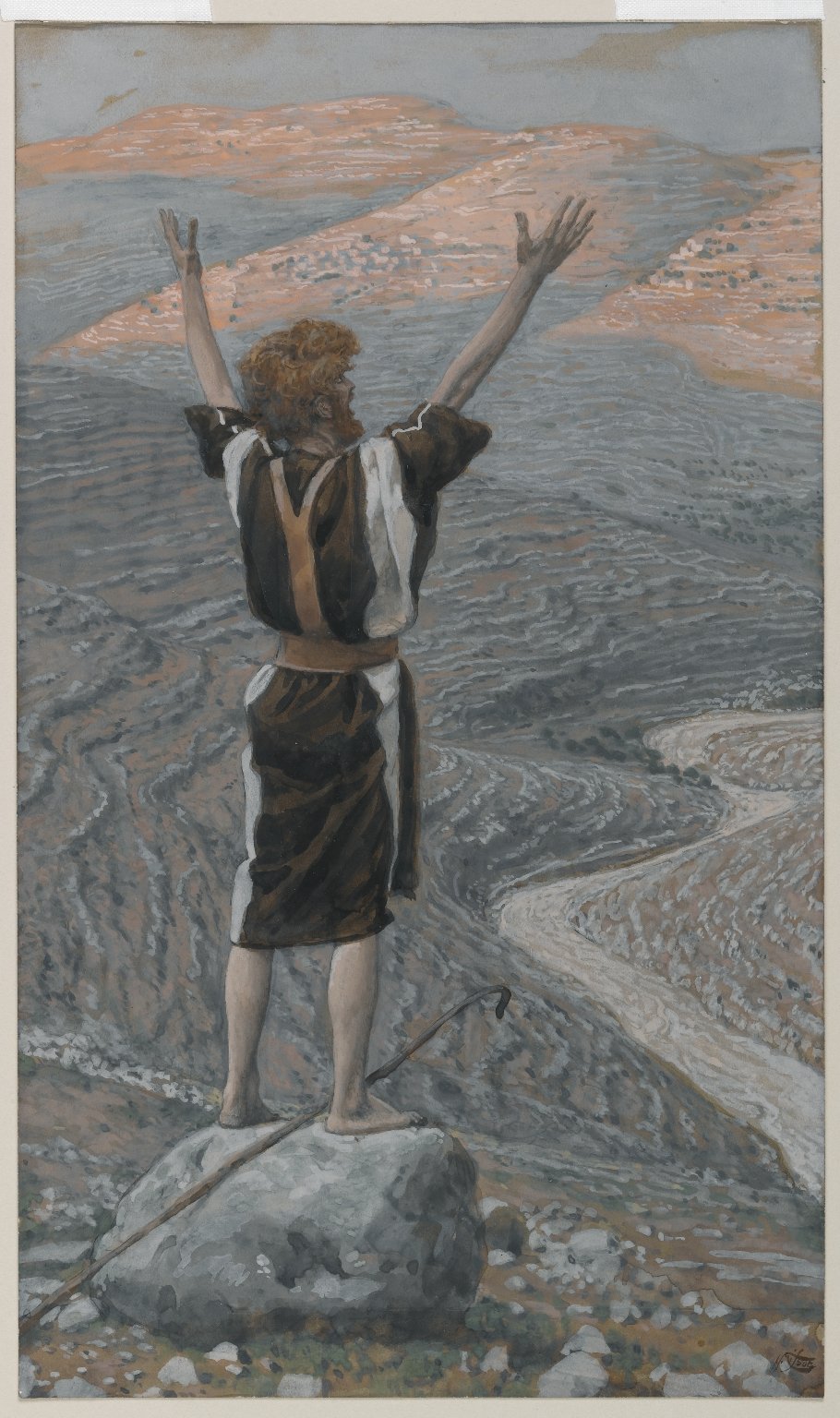
John the Baptist is the last of the prophets and the voice crying in the wilderness of which the prophet Isaiah spoke. He has a challenging and uncompromising message: repent for the Kingdom of God is close at hand. This may not be what many people today want to hear, but it is, however, what people need to hear. Those who flock to him are aware of their sin, and aware of their need of God’s love, mercy, and forgiveness. The Baptist’s message may not be an easy one, but it is actually Good News. Our prayers are answered: that for which we hope, for which our soul deeply longs can be ours. Through our own baptism, we share in Christ’s Death and Resurrection, and we are washed from sin and given the gift of the Holy Spirit. It is difficult to make a proclamation similar to John’s in today’s society, where the Church is increasingly marginalised. Yet our message must still be ‘Repent!’. This is because the world needs to repent, to turn away from sin and selfishness, and back to a God of love, who longs for us to have life in all its fullness.
Repentance is both an event and a process. It is something that we need to do continuously, and do together. This is the life of faith which Christ calls us to live. Repentance is the work of a lifetime, we need to keep turning away from sin and turning back to God. The season of Advent is a good time for repentance. As we prepare to meet Jesus, we need to return to the God who loves us. As the prophet Isaiah wrote:
He will tend his flock like a shepherd; he will gather the lambs in his arms; he will carry them in his bosom, and gently lead those that are with young. (Isa 40:11)
We have been given clear instruction in how to live. The prophets tell us to return to the Lord. They too look forward to the coming of the Messiah. As we prepare to meet Him, let us prepare our hearts, our souls, and our lives. Let us, along with John the Baptist and all the saints, sing the praises of God the Father, God the Son, and God the Holy Spirit. To whom be ascribed all glory, dominion, and power, now and forever. Amen.
 Novus Motus Oxoniensis